Genetics S1 U1
Study these flashcardsFree · spaced repetition · iPhone, Android, Mac & web
All cards
1
how many chrosome pairs are in somatic cells?
23
2
structure of DNA
pentose sugar, deoxyribose; a phosphate group; and four types of nitrogenous bases
3
pyrimidines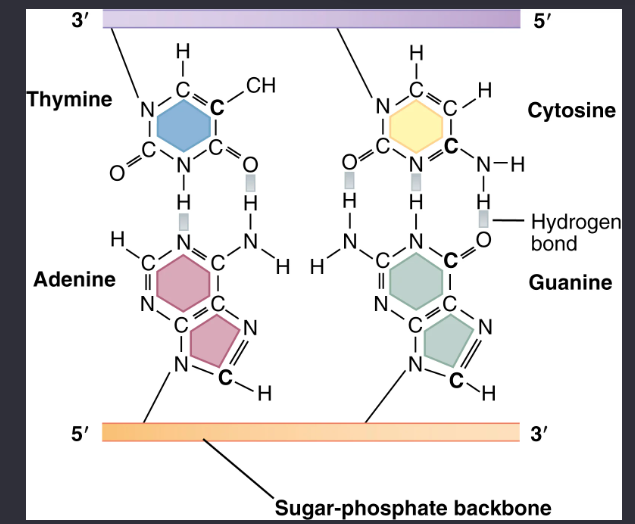
cytosone and thymine
4
purines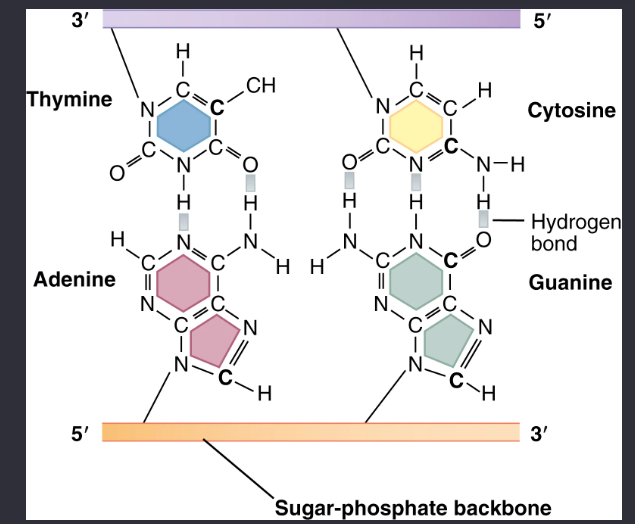
adenine and guanine
5
transcription continues until a group of bases called a ____ sequence is reached
termination
6
this is added to the end of mRNA after transcription in the post trancription modification phase tp stabilize it so iy can leave the cytoplasm of the nucleus
poly a tail
7
increase the transcriptional activity of genes
enhancers
8
repress the transcriptional activity of genes
silencers
9
how do the transcription factors locate specific DNA sequences? This is achieved by ________________: configurations in the transcription-factor protein that allow it to fit snugly and stably into a unique portion of the DNA double helix.
DNA binding motifs
10
proteins are capable of bending DNA and can facilitate interactions between distantly located enhancers and the appropriate basal factors and promoters
HMG class poteins
11
DNA binding motiff in TF: two α helices are connected by a short chain of amino acids, which constitute the turn. The carboxyl-terminal helix is a recognition helix that binds to the DNA major groove.
helix turn hekix
12
DNA binding motif in TF: Two α helices (one short and one long) are connected by a flexible loop. The loop allows the two helices to fold back and interact with one another. The helices can bind to DNA or to other helix–loop–helix structures.
helix loop helix
13
The ___________ terminus of the polypeptide corresponds to the 5′ end of the mRNA strand, and the _____________ terminus corresponds to the 3′ end.
amino (NH2); carboxyl (COOH)
14
a disease caused by defects in the formation of bone. This disorder, sometimes known as brittle bone disease
ostogenesis imperfecta
15
what are the mutations in osteogenesis imoerfects
type I collagen mutations now known to cause osteogenesis imperfecta, the most common type produces a replacement of glycine with another amino acid. Because only glycine is small enough to be accommodated in the center of the triple helix structure, substitution of a different amino acid causes instability of the structure and thus poorly formed fibrils. This type of mutation is often seen in severe forms of osteogenesis imperfecta. Other mutations can cause excess posttranslational modification of the polypeptide chains, again producing abnormal fibrils.
16
a family of kinases that phosphorylate other regulatory proteins at key stages of the cell cycle.
cyclin dependent kinases
17
Worldwide, about ______ of all live-born children have a major birth defect (i.e., one that has a substantial impact on health),
3%
18
______________ are the leading cause of infant ∗ death in the United States and are associated with substantial morbidity.
birth defects
19
(i.e., expression of the gene product in an abnormal location)
ectopic expression
20
occurs when the cells of one embryonic region influence the organization and differentiation of cells in a second region.
induction
21
a rare genetic disorder where a person is born with partial or complete absence of the iris, the colored part of the eye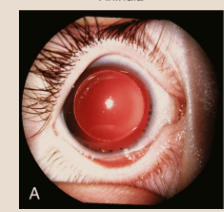
aniridia
22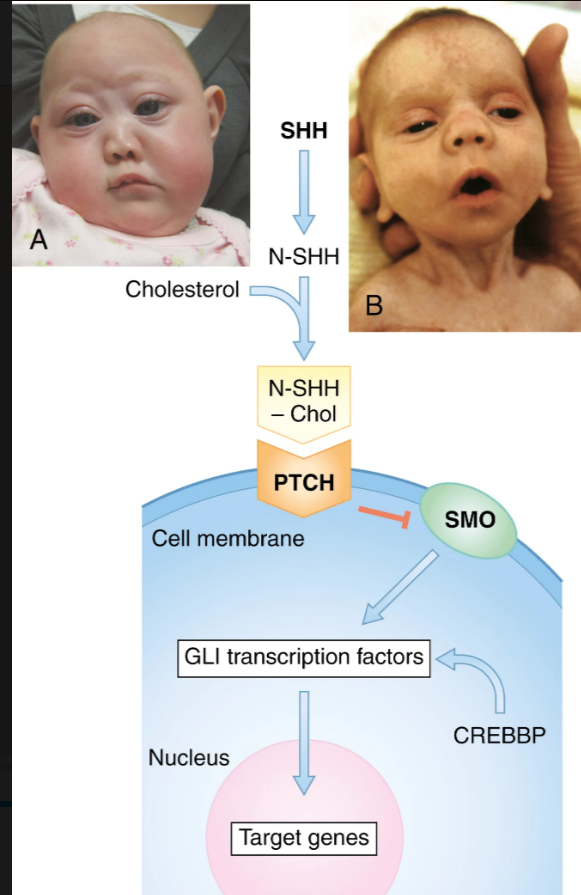
Image occlusion: name the hidden labels
23
Image occlusion: name the hidden labels
24
Image occlusion: name the hidden labels
25
Image occlusion: name the hidden labels
26
Smo is normally inhibited by ________- but when bounde to Shh, inhibition is re;eased and Smo is available to activate downstream targets sch as Gli TFs
Patched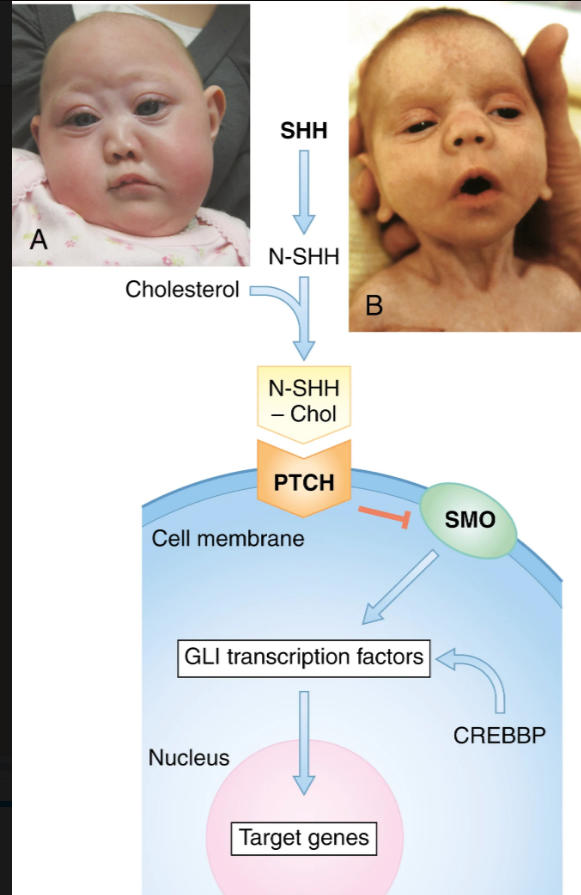
27
(Shh; abnormal midline brain development); a severe congenital brain malformation where the forebrain fails to divide into two hemispheres during early pregnancy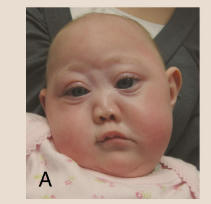
holoprosencephally
28
(cholesterol biosynthesis); caused by mutations in the DHCR7 gene, which plays a role in the production of cholesterol. This mutation leads to an abnormal accumulation of 7-dehydrocholesterol, a precursor to cholesterol. 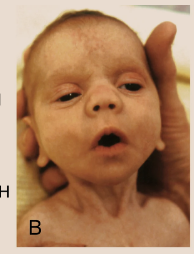
Smith-Lemli-Opitz
29
(PTCH; rib anomalies, cysts of the jaw, and basal cell skin cancer)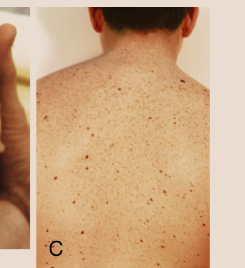
Gorlin or nevoid basal cell carcinoma syndrome
30
(Gli; craniosynostosis, polydactyly)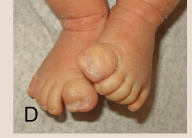
Greig cephalopolysyndactly syndrome
31
(CREBBP; intellectual disability, distinctive facial features, and broad thumbs). 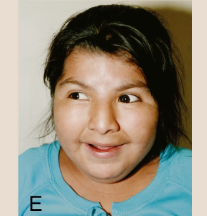
Rubenstein-Taybi syndrome
32
what are the 4 major families of paracrine signaling molecules
Fibroblast Growth Factor (FGF) family, the Hedgehog family, the Wingless (Wnt) family, and the Transforming Growth Factor β (TGF-β) family.
33
Shh is a transmembrane protein encoded by a gene called __________; normal action of this is to inhibit the fx of anorher transmembrane protein smoothened
patched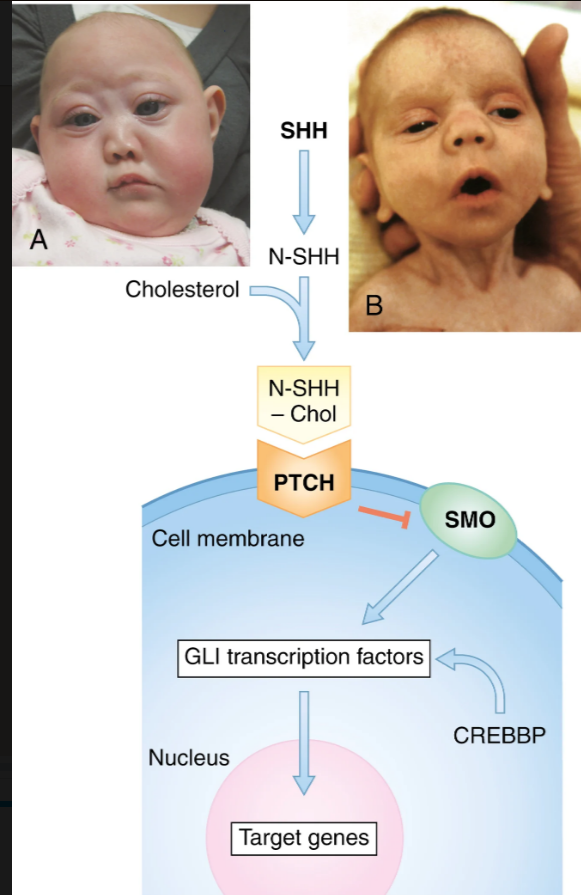
34
FGFs bind to FGFRs which leads to phosphorylation and activation of _________-
tyrosine kinase domain
35
where are FGFRs expressed
expressed in developing bone, and many common human autosomal dominant disorders of generalized bone growth
36
characterized by disproportionate short stature (i.e., the limbs are disproportionately shorter than the trunk) and macrocephaly
-Caused by an FGFR mutation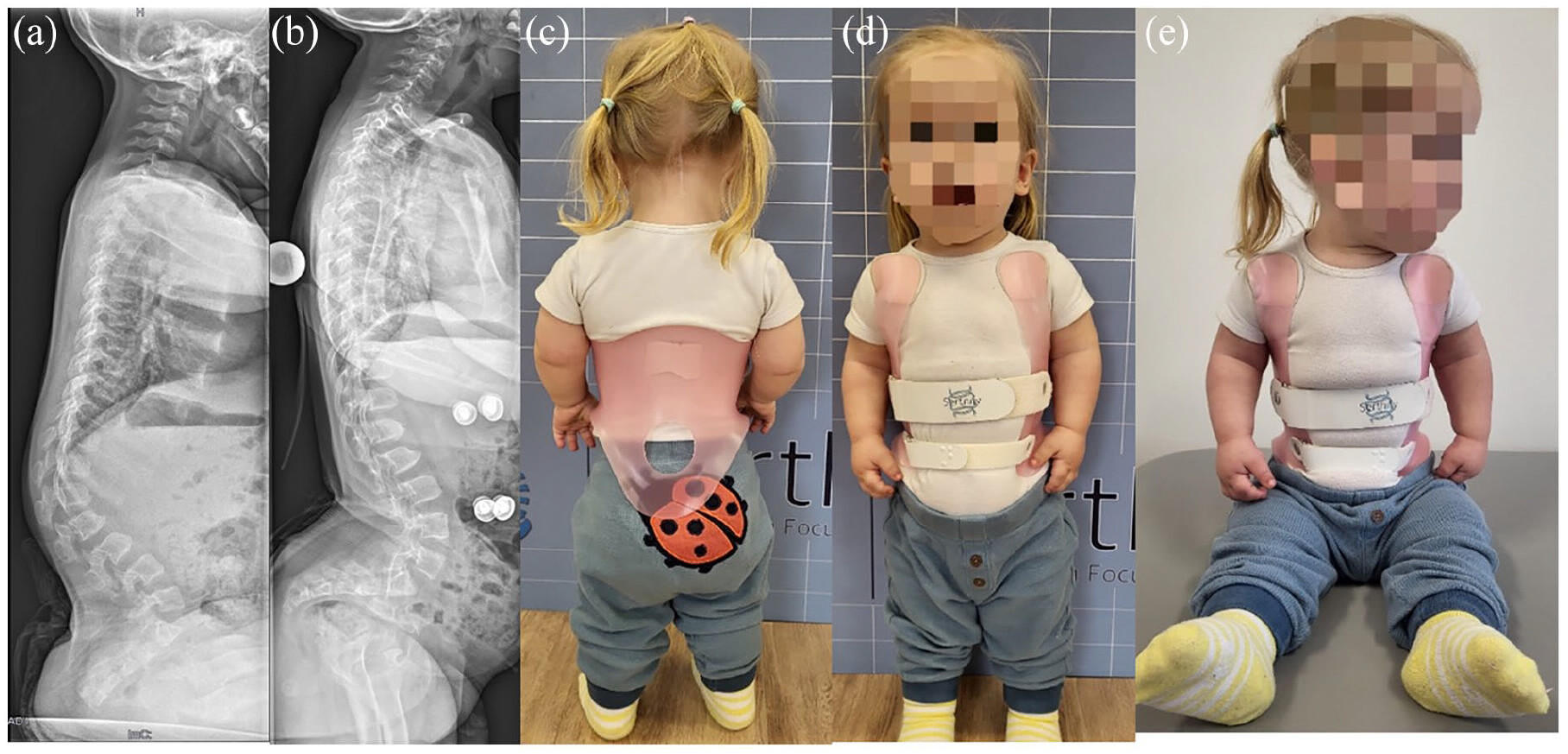
-Caused by an FGFR mutation
achonroplasia
37
where is FGFR3 usually expressed and what foes it do?
normally expressed in resting chondrocytes where it restrains chondrocyte proliferation and differentiation.
38
what does overactivation of FGFR3 cause
further inhibition of chondrocyte growth, which produces skeletal defects. markedly increased actovation causes lethal short-stature syndrome called thanatophoric dysplasia.
39
mutations in _______ (x3) lead to ten distinct craniosynostosis disorders
FGFR1-3
40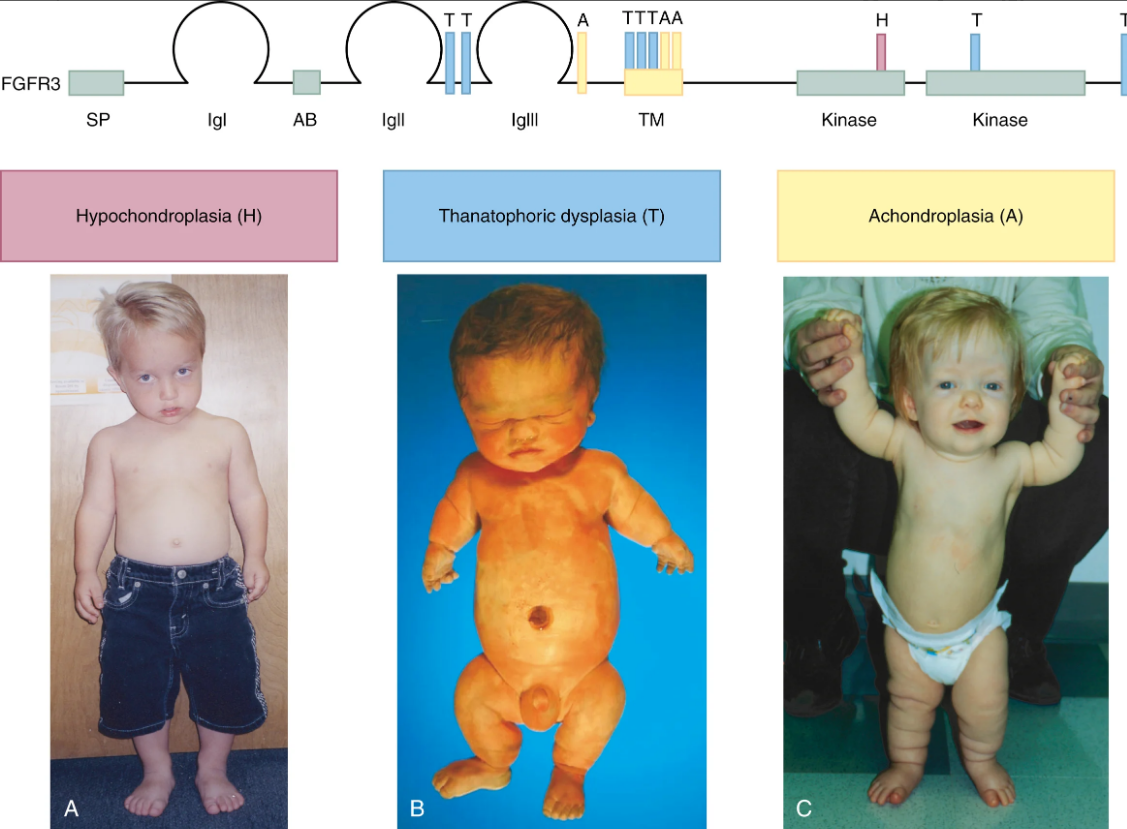
Image occlusion: name the hidden labels
41
Image occlusion: name the hidden labels
42
Image occlusion: name the hidden labels
43
Image occlusion: name the hidden labels
44
Image occlusion: name the hidden labels
45
encode secreted glycoproteins that bind to members of the frizzled and low-density lipoprotein (LDL) receptor–related protein families.
Wnt genes
46
absence of all 4 limbs, caused by WNT3 mutation
tertra-amelia
47
deficiency of the ulna and fibula is caused by a mutation to this
WNT7A
48
The TGF-β supergene family ‡ is composed of a large group of structurally related genes that encode proteins that form (x2)
homodimers and heterodimers
49
what is included in the TGF-B superfamily
TGF-β family itself, the bone morphogenetic protein (BMP) family, the activin family, and the Vg1 family.
50
gene, which encodes the mammalian testis-determining factor
SRY gene
51
expressed in the genital ridges of both sexes, but it is up-regulated in males and down-regulated in females before differentiation of the gonads.
Sox9
52
what is caused by a mutation in the SOX9 gene?
disorder characterized by skeletal defects (campomelic dysplasia) and sex reversal that produces XY females
53
A: (short stature, webbing of the neck, and congenital heart disease)
-RAS MAPK signaling pathway mutation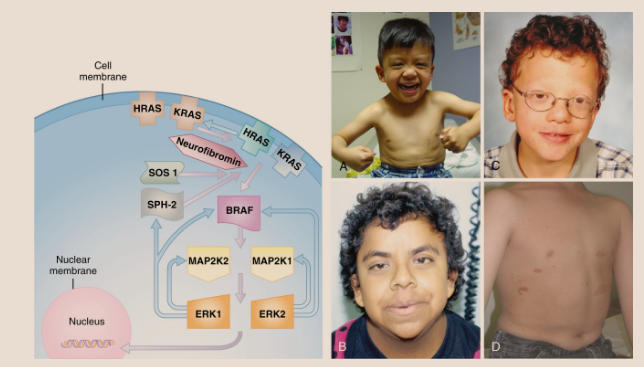
-RAS MAPK signaling pathway mutation
Noonan syndrome
54
B: (intellectual disability, thick lips, depressed nasal bridge, curly hair, cardiomyopathy)
-RAS MAPK signaling pathway mutation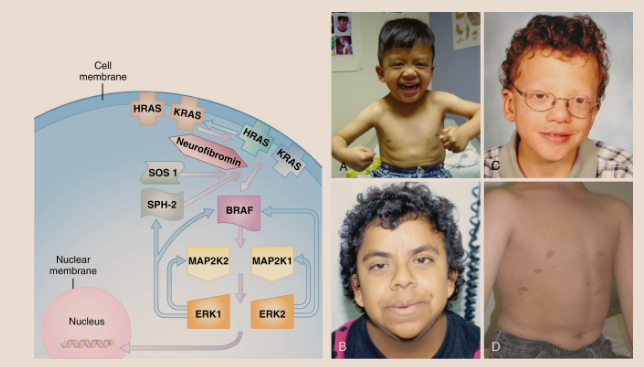
-RAS MAPK signaling pathway mutation
costello syndrome
55
C: (intellectual disability, prominent forehead, hypertelorism, skin abnormalities)
-RAS MAPK signaling pathway mutationduced or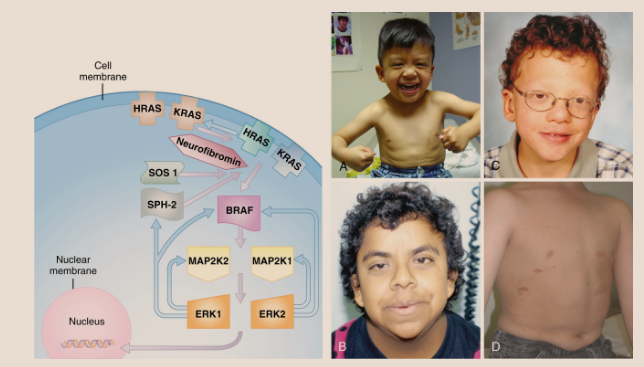
-RAS MAPK signaling pathway mutationduced or
cardio-facial cutaneous syndrome
56
secreted macromolecules that serve as scaffolding for all tissues and organs. These molecules include collagens, fibrillins, proteoglycans, and large glycoproteins such as fibronectin, laminin, and tenascin.re
extracellular matrix proteins
57
two cell surface receptors in EMPs
integrins and glycosyltransferases
58
mutations in ________gene that encodes a subunit of laminin, cause autosomal recessive junctional epidermolysis bullosa (JEB). Because of an inability of epithelial cells to properly anchor themselves to the basement membrane, the skin of persons with JEB spontaneously forms large blisters.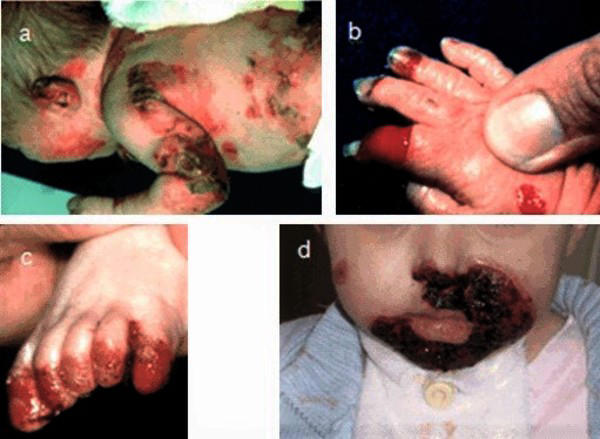
LAMC2
59
reduced or absent nerve cells in the enteric tract cause this disorder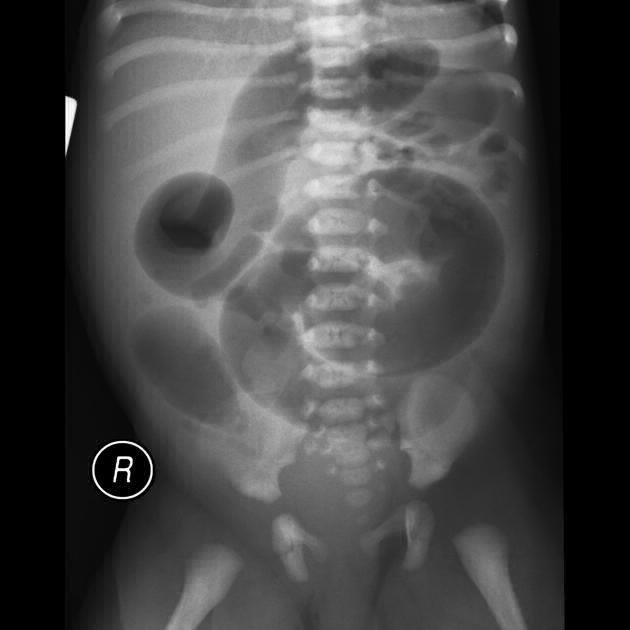
hirschsprung disease
60
Normal signaling through________ appears to be required for neural crest migration into the distal portions of the bowel and for differentiation into nerve cells
RET
61
normal signaling of these 2 genes is required for the development of neural crest cells into enteric nerve cells and melanocytes
EDNRB and EDN3
62
The process by which ordered spatial arrangements of differentiated cells create tissues and organs
pattern formation
63
human gastrulation is characterized by cell and tissue movements that result in the formation of these 3 germ layers and this major structyral featyre
layers: ectoderm, endoderm, mesoderm
structure: primitive streak
structure: primitive streak
64
a secreted protein that prevents dorsalized mesoderm from being ventralized.
chordin
65
chordin prevents dorsalized mesoderm from being ...
ventralized
66
noggin indices neural tissue from dorsal ectoderm and ________ the mesoderm
dorsalizes
67
Neurulation is a critical event in development because it initiates organogenesis and divides the ectoderm into three different cell populations: the _____________, which will eventually form the brain and spinal cord; the _________ of the skin; and the __________________
neural tube; epidermis; neural crest cells
68
V-D: ______- is expressed ventrally and induces ventral fates; patterning of the dorsal ventral axi
Bmp-4
69
this forms the maxilla, mandible, incus, and malleus
mesenchyme
70
these of the anterior hindbrain migrate and differentiate to become the mesenchyme of the 2nd pharyngeal pouch, the stapes, and facial cartilage
neural crest cells
71
produce the mesenchyme of the 3rd, 4th, and 6th pharyngeal arches
cervical neural crest cells
72
One way to overcome this problem is to condition the disruption of a gene so that it takes place only in a certain type of cell (e.g., neural crest), in a specific tissue (e.g., the limb), or at a specific time during development. This is a ________________________
conditional knockout
73
Dynein abnormalities in humans cause a group of disorders called ______________, in which most individuals have situs inversus.
primary ciliary dyskinesias
74
_________________), a member of the Gli transcription factor family located on the X chromosome, are the most common known genetic cause of human laterality defects. Affected males exhibit randomization defects, and some carrier females have L/R reversal.
ZIC3
75
A, The normal L/R positions of organs arranged along midline. The apex of the heart points toward the left. The right lung is trilobed, and the left lung is bilobed. In the abdominal cavity, the spleen and stomach are positioned on the left side and the liver is on the right. The small bowel is looped in a counterclockwise direction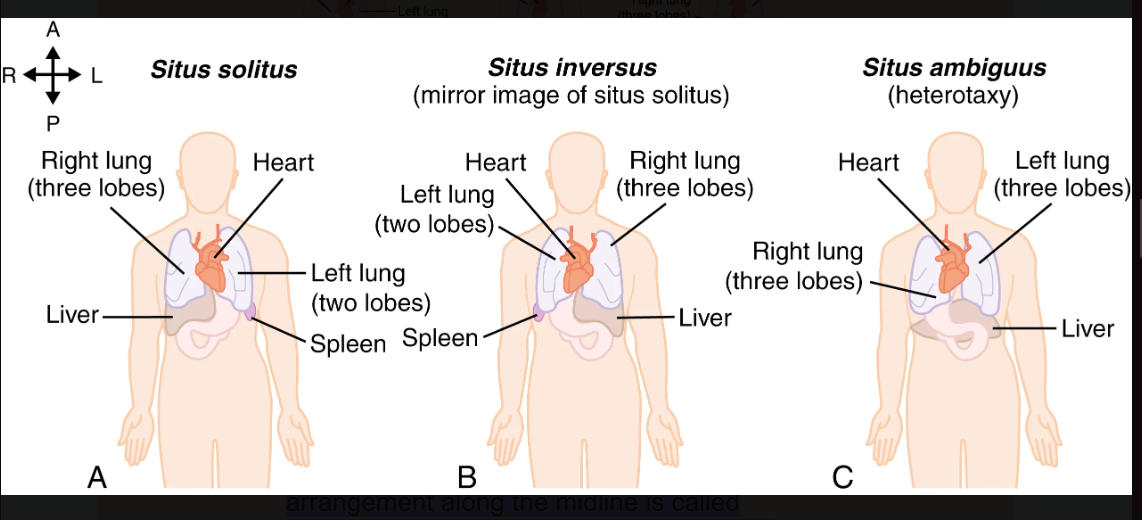
situs solitus
76
B: A complete mirror image of organ arrangement along the midline; persons might have no symptoms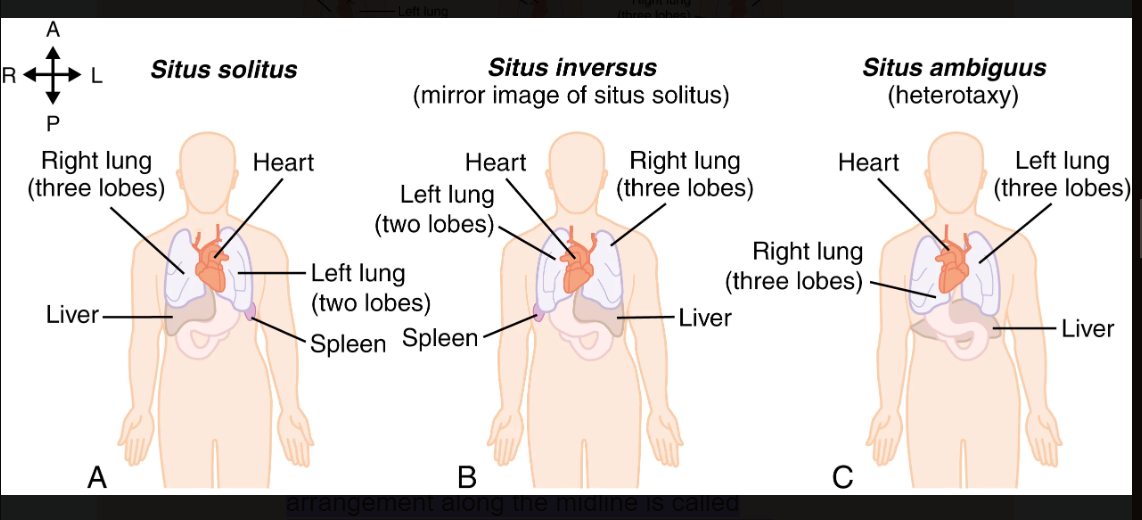
situs inversus
77
C, Randomization of the arrangement of the heart, lungs, liver, spleen, and stomach along the midline. is often associated with congenital heart defects.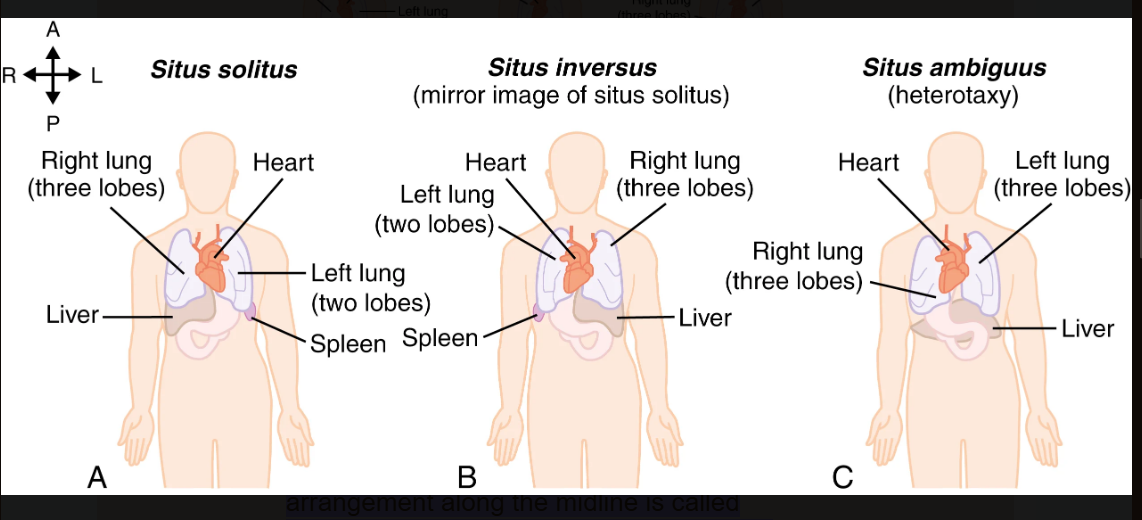
Sitis ambiguus or heterotaxy
78
cytoskeleton scaffold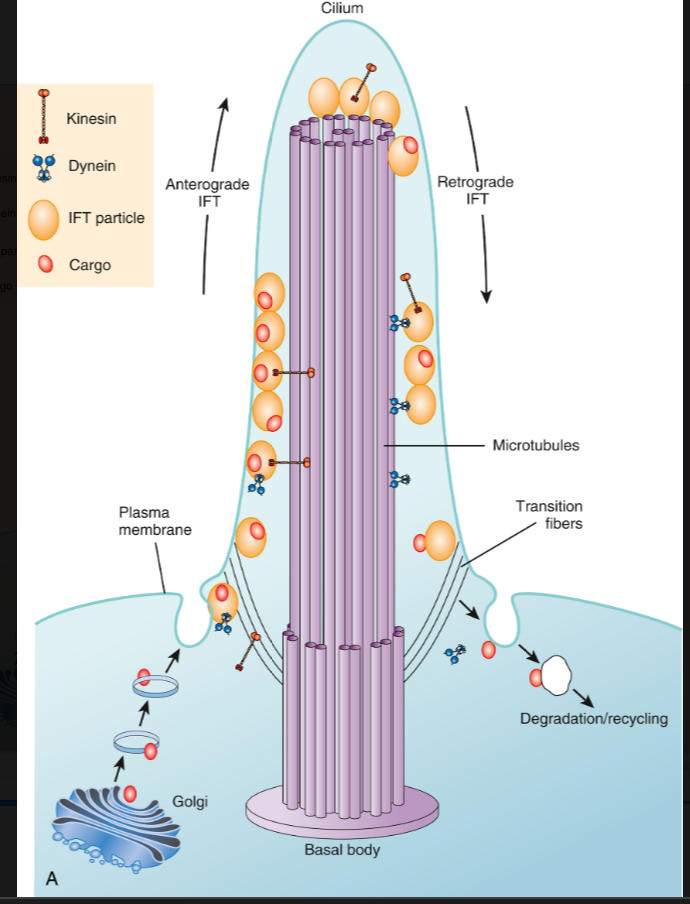
axoneme
79
expression of these genes are essential for forelimb and hindlimb development
Tbx4 and 5
80
A, Absence of the right third, fourth, and fifth digits (i.e., posterior digits) accompanied by aplasia of the ulna and hypoplasia of the radius
-mutations in the TBX3 gene (loss of function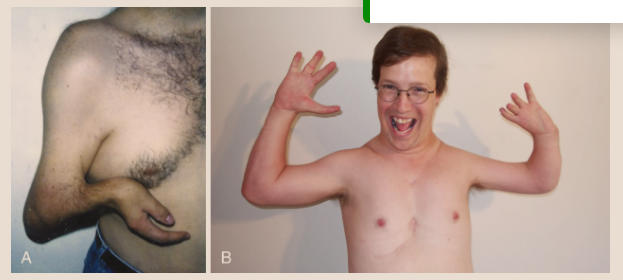
-mutations in the TBX3 gene (loss of function
ulnar mammary syndrome
81
B: Bilateral absence of the thumb (i.e., an anterior digit) and radius with marked hypoplasia of the humerus
-mutations in the TBX5 gene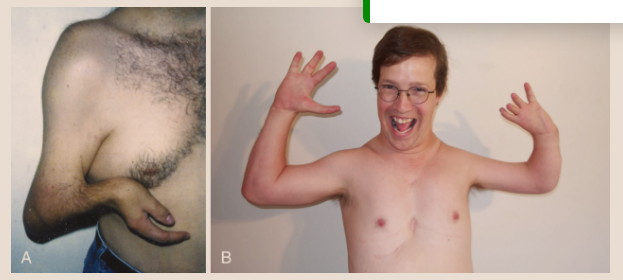
-mutations in the TBX5 gene
Holt Oram syndrome
82
characterized by duplication and fusion of the middle digits of the hands and feet. It is caused by mutations in HOXD13 that produce an expansion of a polyalanine tract in the amino-terminal end of the HOXD13 protein.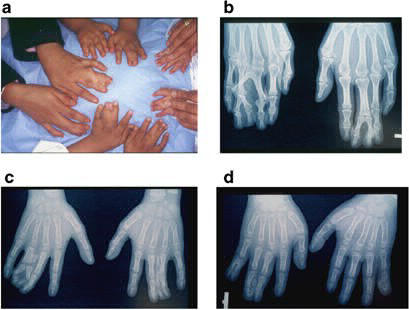
Synpolydactyly
83
The differentiation of osteoblasts is tegulated by ___________
Runx2
84
What is haploidy?
A condition in which cells contain a single set of chromosomes (n).
85
What is diploidy?
A condition in which cells contain two sets of chromosomes (2n), one from each parent.
86
What is polyploidy?
A condition in which cells have more than two complete sets of chromosomes.
87
What is euploidy?
A state in which a cell has a chromosome number that is an exact multiple of the haploid number.
88
What is aneuploidy?
A condition in which cells have a chromosome number that is not an exact multiple of the haploid number, due to gain or loss of specific chromosomes.
89
What is FISH used for?
FISH (fluorescence in situ hybridization) detects specific DNA sequences on chromosomes using fluorescent probes.
90
What is spectral karyotyping used for?
Spectral karyotyping uses multiple fluorescent probes to visualize all chromosomes simultaneously in different colors to detect complex rearrangements.
91
What is CGH used for?
Comparative genomic hybridization detects copy number variations by comparing patient and reference DNA.
92
What is CMA used for?
Chromosomal microarray analysis detects submicroscopic deletions and duplications across the genome with high resolution.
93
Which technique offers the highest resolution for detecting small copy number changes?
Chromosomal microarray analysis (CMA).
94
What are three ways triploidy could arise?
Fertilization of an egg by two sperm (dispermy), fertilization by a diploid sperm, or fertilization of a diploid egg.
95
Why do karyotype abnormalities differ between 10-week CVS and 16-week amniocentesis samples?
Because many chromosomal abnormalities result in early embryonic loss, so abnormal conceptuses detected at 10 weeks may not survive to 16 weeks.
96
Why is a karyotype recommended even if Down or Patau syndrome is clinically recognizable?
Because it confirms the diagnosis and determines whether a translocation or nondisjunction caused the condition, which affects recurrence risk.
97
Rank from lowest to highest risk of having a child with Down syndrome
45-year-old woman with no family history < 25-year-old woman with one prior Down syndrome child < 25-year-old male 21/14 Robertsonian carrier < 25-year-old female 21/14 Robertsonian carrier.
98
How could a 49,XXXXX karyotype occur?
Through successive nondisjunction events during meiosis in both parents, resulting in the addition of multiple X chromosomes.
99
In the infant with multiple congenital anomalies and tetralogy of Fallot, what is the most appropriate first diagnostic study?
A standard G-banded karyotype.
100
In a child with Turner syndrome (45,X) and normal factor VIII, in which parent did the meiotic error occur?
In the mother, because the paternal X (which carries the hemophilia mutation) is missing.
101
Which is expected to be more severe: 46,XY,del(8)(p11) or 46,XY,dup(8)(p11)?
The deletion, because loss of genetic material generally causes more severe effects than duplication.
102
Why do translocations in somatic cells sometimes lead to cancer?
Because they can create fusion genes or place proto-oncogenes under the control of active promoters, leading to uncontrolled cell growth.
103
Trisomy 18 is also known as
Edwards syndrome
104
Chromosomal notation for Edwards syndrome
47,XY,+18
105
Prevalence of trisomy 18 among live births
Approximately 1 in 6000
106
Most common chromosomal abnormality among stillborns with congenital malformations
Trisomy 18
107
Percentage of trisomy 18 conceptions that survive to term
Fewer than 5%
108
Key prenatal feature of trisomy 18
Prenatal growth deficiency (low birth weight for gestational age)
109
Distinctive hand finding in trisomy 18
Overlapping fingers, with the index finger overriding the third finger
110
Common minor anomalies in trisomy 18
Small ears with unraveled helices, small mouth, short sternum, short halluces
111
Most common major malformations in trisomy 18
Congenital heart defects, especially VSDs with multiple valve dysplasia
112
Other significant malformations in trisomy 18
Omphalocele, tracheoesophageal fistula, esophageal atresia, radial aplasia, diaphragmatic hernia, spina bifida
113
Percentage of trisomy 18 infants dying within first few weeks
About 50%
114
Percentage of trisomy 18 infants surviving to 12 months
About 12%
115
Main causes of death in trisomy 18
Aspiration pneumonia, infections, central apnea, airway obstruction, and congenital heart disease
116
If a child with trisomy 18 survives to one year, their likelihood of living past age 5 is
High
117
Psychomotor delay in trisomy 18 compared to Down syndrome
Much more severe
118
Mobility in children with trisomy 18
Most cannot walk independently, but some older children can walk unassisted
119
Percentage of trisomy 18 cases caused by complete trisomy 18
More than 95%
120
Maternal age effect in trisomy 18
Significant; more than 95% of cases result from maternal nondisjunction
121
Trisomy 13 is also known as
Patau syndrome
122
Chromosomal notation for Patau syndrome
47,XY,+13
123
Prevalence of trisomy 13 among live births
Approximately 1 in 10,000
124
Characteristic physical features of trisomy 13
Orofacial clefts, microphthalmia, and postaxial polydactyly
125
Common organ malformations in trisomy 13
Central nervous system, heart (80%), and kidneys
126
Distinctive skin finding in trisomy 13
Cutis aplasia (defect of scalp skin)
127
Percentage of trisomy 13 infants dying within the first year
About 88%
128
Developmental outcome in trisomy 13 survivors
Severe developmental disability, rarely exceeding skills of a 2-year-old
129
Percentage of trisomy 13 cases with full trisomy 13
About 90%
130
Cause of most remaining trisomy 13 cases
Translocation involving the long arm of chromosome 13
131
Maternal age effect in trisomy 13
Significant; more than 90% of extra chromosomes are maternal in origin
132
Percentage of trisomy 13 conceptions spontaneously lost during pregnancy
About 95% or more
133
Traditional medical approach to trisomy 13 and 18 care
Noninterventionist or comfort care
134
Recent trend in trisomy 13 and 18 care
More aggressive technological intervention, such as cardiac surgery and tracheostomy
135
Preferred modern care approach for trisomy 13 and 18
Shared decision making between parents and care providers
136
Maternal age effect on Down syndrome risk at age 35
Approximately 1 in 400
137
Maternal age effect on Down syndrome risk at age 40
Approximately 1 in 100
138
Maternal age effect on Down syndrome risk after age 45
Approximately 1 in 25
139
Primary mechanism for increased trisomy risk with maternal age
Nondisjunction in older oocytes
140
Why older oocytes are at risk for nondisjunction
They remain suspended in prophase I for decades
141
Most common contributing parent for autosomal trisomies
Mother
142
Evidence for paternal age effect in trisomies
Minor or negligible
143
Among autosomal trisomies, the general trend is
Prevalence increases with maternal age
144
Sex chromosome aneuploidy prevalence in males
About 1 in 400
145
Sex chromosome aneuploidy prevalence in females
About 1 in 650
146
Why sex chromosome aneuploidies are less severe than autosomal
Because of X inactivation
147
Turner syndrome chromosomal notation
45,X
148
Who first described Turner syndrome
Henry Turner in 1938
149
Turner syndrome affects individuals of which sex
Females
150
Key physical features of Turner syndrome
Short stature, webbed neck, broad chest, and low-set posteriorly rotated ears
151
Common congenital heart defects in Turner syndrome
Bicuspid aortic valve and coarctation of the aorta
152
Percentage of Turner patients with bicuspid aortic valve
Approximately 50%
153
Percentage of Turner patients with coarctation of the aorta
15–30%
154
Renal findings in Turner syndrome
Structural kidney defects in about 50%, usually without functional impairment
155
Cognitive profile in Turner syndrome
Normal intelligence with mild spatial perceptual deficits
156
Cause of short stature in Turner syndrome
Lack of one X chromosome leads to growth deficiency
157
Treatment to increase height in Turner syndrome
Growth hormone therapy
158
Typical gonadal finding in Turner syndrome
Gonadal dysgenesis with streak ovaries
159
Why ovarian dysgenesis occurs in Turner syndrome
Two active X chromosomes are required for normal ovarian development
160
Fertility in Turner syndrome
Most are infertile; about 5–10% may menstruate, and few have children
161
Hormonal treatment in Turner syndrome adolescents
Estrogen therapy to induce and maintain secondary sexual characteristics and prevent osteoporosis
162
evidence of an increased incidence of minor behavioral disorders, such 112as hyperactivity, attention deficit disorder, and learning disabilities.
XYY
163
A __________________ can decrease the affinity of RNA polymerase for a promoter site, often resulting in reduced production of mRNA and thus decreased production of a protein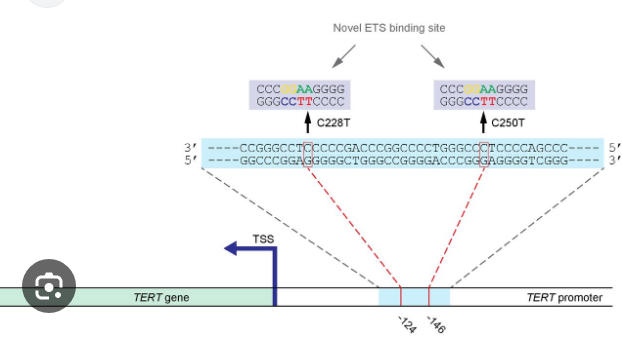
promoter mutations
164
hose that occur at intron–exon boundaries, alter the splicing signal that is necessary for proper excision of an intron. Splice-site mutations can occur at the GT sequence that defines the 5′ splice site (the donor site) or at the AG sequence that defines the 3′ splice site (the acceptor site).
splice site mutations
165
here can splice site mutations occur
GT sequence that defines the 5' splice site (donor site) or the AG sequence that defines the 3" splicxe sitre (acceptor site)
166
has been shown to cause isolated cases of type 1 neurofibromatosis, Duchenne muscular dystrophy, β-thalassemia, familial breast cancer, familial polyposis (colon cancer), and hemophilia A and B
insertion of a mobile element
167
mutations can broadly produce a ____________ of function
gain or loss
168
50% of the gene’s protein product is not sufficient for normal function
haploinsufficiency
169
mutation results in a protein product that not only is abnormal but also inhibits the function of the protein produced by the normal allele in the heterozygote
a dominant negative mutation
170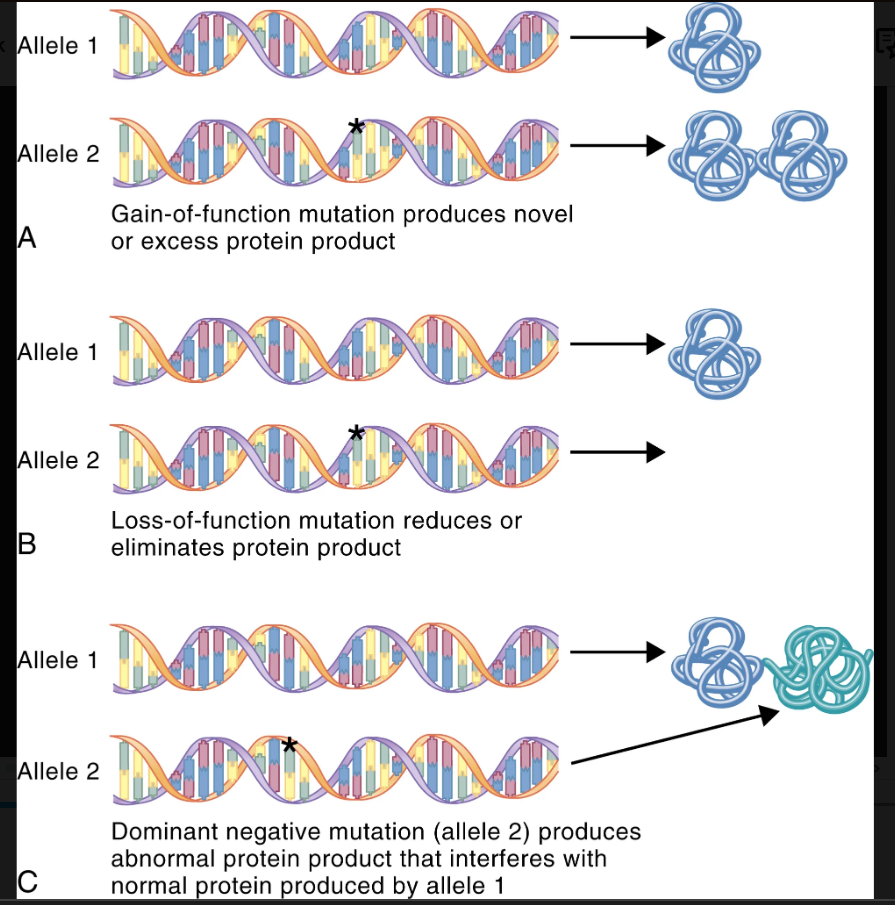
Image occlusion: name the hidden labels
171
Image occlusion: name the hidden labels
172
Image occlusion: name the hidden labels
173
structure of a hemoglobin molecule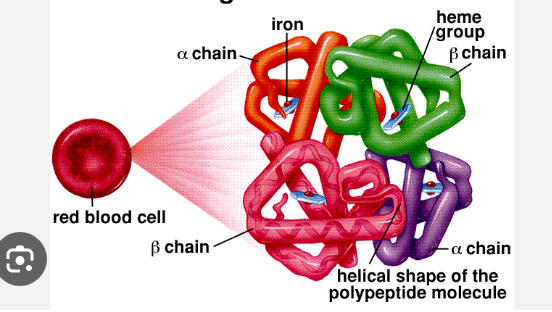
tetramer composed of four polypeptide chains, two labeled α and two labeled β.
174
what chromosome encodes B chains; alpha chains on hemoglobin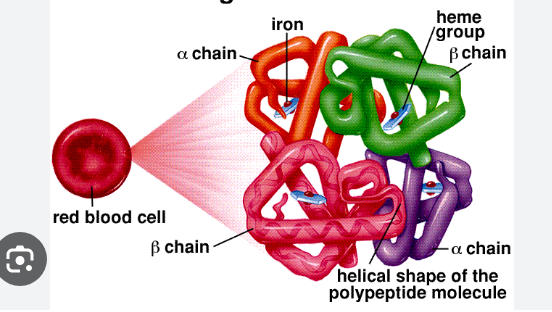
chromosome 11; chromosome 16
175
hemoglobin disorders can be classified into two broad categories
structural abnormalities, in which the hemoglobin molecule is altered, and thalassemias, a group of conditions in which either the α- or the β-globin chain is structurally normal but reduced in quantity
176
what mutation causes sickle cell anemia
single missense mutation that affects a substitution of valine for glutamic acid at position 6 of the β-globin polypeptide chain
-substitution alters the structure of hemoglobin molecules such that they form aggregates, causing erythrocytes to assume a characteristic sickle shape under conditions of low oxygen tension
-substitution alters the structure of hemoglobin molecules such that they form aggregates, causing erythrocytes to assume a characteristic sickle shape under conditions of low oxygen tension
177
what mutation causes HbH disease?
Deletion or abnormality of three of the four α-globin genes
178
what are the s/s of HbH disease
Moderately severe anemia, splenomegaly
179
what mutation causes hydrops fetalis
Deletion or abnormality of all four α-globin genes
180
what atre the s/s of hydrops fetalis
Severe anemia or hypoxemia, congestive heart failure; stillbirth or neonatal death
181
what causes B0 thalssemia?
Usually nonsense, frameshift, or splice-site donor or acceptor mutations; no β-globin produced
182
s/s B0-thalassemia
Severe anemia, splenomegaly, skeletal abnormalities, infections; often fatal during first decade if untreated
183
s/s B+ Thalassemia
Features similar to those of β0-thalassemia but often somewhat milder
184
cause/mutation that causes B+ Thalassemia
Usually missense, regulatory, or splice-site consensus sequence or cryptic splice-site mutations; small amount of β-globin produced
185
chernobyl radiation exposire specifically increased these mutations and these camcers in cjildren
thyrpid camcer amd smatic mutations
186
which arise naturally in cells, for example during DNA replication. Agents that cause induced mutations are known collectively as mutagens.
spontaneous mutations
187
how does ionizing radiation mutate
eject electrons from atoms, forming electrically charged ions
188
what system rapaitrs and remoes doimers after Uv radiation exposure
NER system
189
A diminished capacity to repair double-stranded DNA breaks can lead to
ovarian or breast cancer
190
Second, it is well established that certain nucleotide sequences are especially susceptible to mutation. These are termed
mutation hot spots
191
mutations: Some _________________________________________ increase dramatically with maternal age (see Chapter 6), and _______________ increase with paternal age.
chromosome abnormalities; single base mutations
192
Image occlusion: name the hidden labels
193
Image occlusion: name the hidden labels
194
Image occlusion: name the hidden labels
195
Image occlusion: name the hidden labels
196
describe electrophoresis
A tissue sample is loaded in the slot at the top of the gel, and an electrical current is run though the gel. After staining, distinct bands, representing molecules with different electrical charges and therefore different amino acid sequences, are visible. B, HbA homozygotes show a single band closer to the positive pole, whereas HbS homozygotes show a single band closer to the negative pole. Heterozygotes, having both alleles, show two bands.
197
created by different numbers of tandem repeats in the DNA on the two copies of a chromosome. Following amplification and labeling of the region that contains the polymorphism, different fragment lengths are separated by electrophoresis and visualized on an autoradiogram.
tandem repeat polymorphisms
198
insertions or deletions of segments of DNA smaller than 50 bp.
indels
199
type of structural variant that consists of differences in the number of repeated DNA sequences longer than 500–1000 bp.
CNVs
200
invented by Frederick Sanger, makes use of chain-terminating dideoxynucleotides. These are chemically quite similar to ordinary deoxynucleotides, except that they are missing one hydroxyl group. This prevents the subsequent formation of phosphodiester bonds with free DNA bases. Thus although dideoxynucleotides can be incorporated into a growing DNA helix, no additional nucleotides can be added once they are included.
dideoxy method of DNa sequencing
201
states that if two trials are independent, then the probability of obtaining a given outcome in both trials is the product of the probabilities of each outcome.
multiplication ruke