Embryology S1 U1
Study these flashcardsFree · spaced repetition · iPhone, Android, Mac & web
All cards
1
gastrulation begins with the formation of this on the surface of the epiblast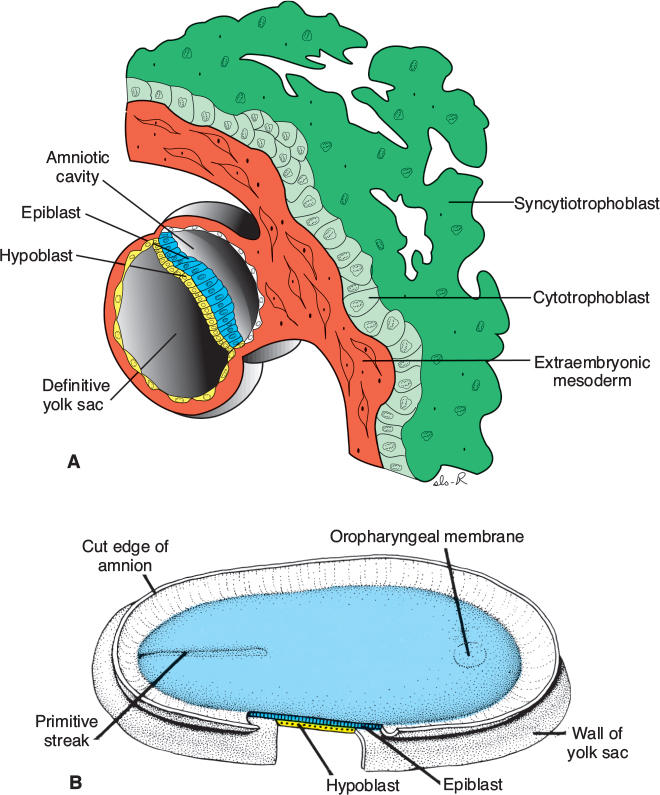
primitive streak
2
Cells of the ________ migrate towards the primative streak; upon arrival in the region of the streak, they become flask-shaped, detach from the epiblast and slip beneath it.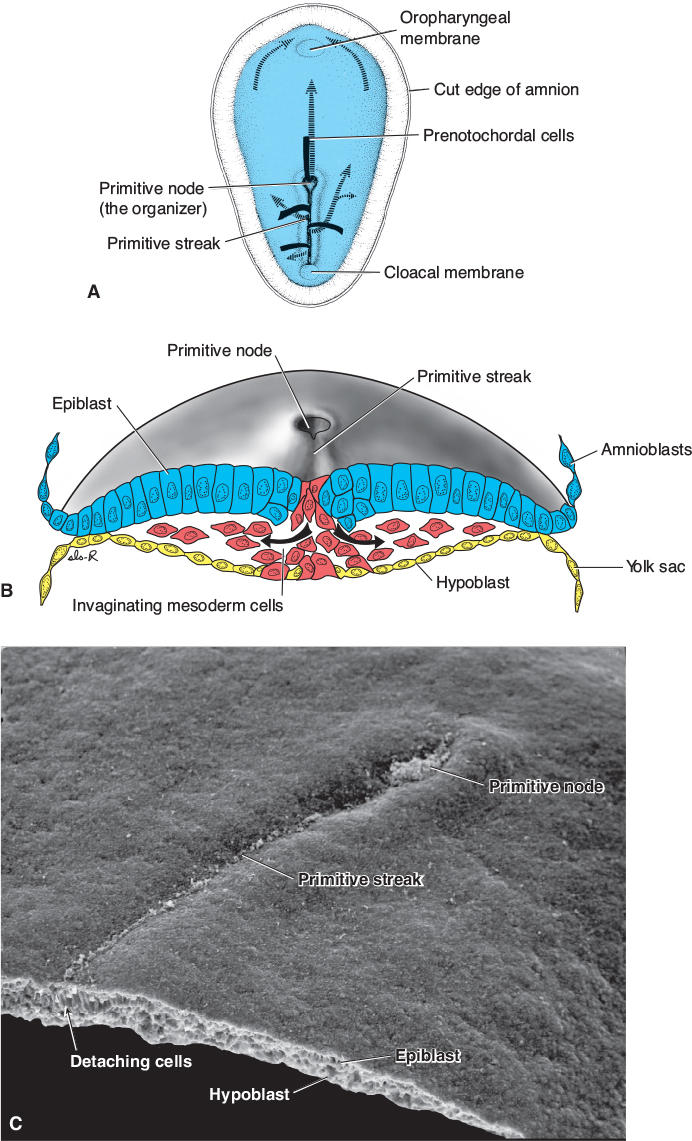
epiblast
3
Cell migation and specification are controlled by __________, which is synthesixed by streak cells themselves; this growth factor controls cell movement by downregulating the E-cadherin, a protein that normally binds epiblast cells together
fibroblast growth factor 8 (FGF8)
4
growth factor controls cell movement by downregulating E-cadherin, a protein that normally binds epiblast cells together.
FGF8
5
in gastrulation, once the cells of the epiblast have invaginated, some displace the hypoblast; creating the embryonic __________ and others come to lie between the epiblast and the newly creasted endoderm to form _____________; cells that remaining in the epiblast then form _______
endoderm; mesoderm; ectoderm
6
where does the prechordial plate form?
growth factor controls cell movement by downregulating E-cadherin, a protein that normally binds epiblast cells together.
7
As the hypoblast is replaced by endoderm cells moving in at the streak, cells of the notochordal plate proliferate and detach from the endoderm. They then form a solid cord of cells, the ___________________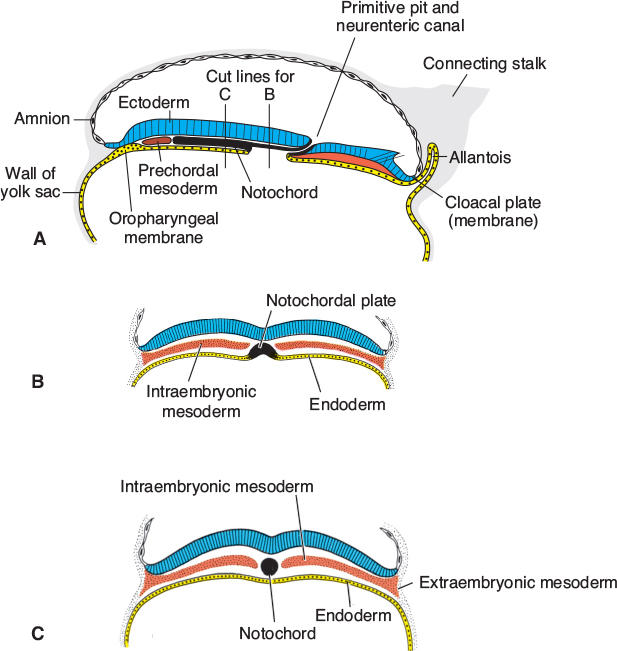
definitive notochord
8
the _______ is formed at the caudal end of the embryonic disc; This membrane, which is similar in structure to the oropharyngeal membrane, consists of tightly adherent ectoderm and endoderm cells with no intervening mesoderm.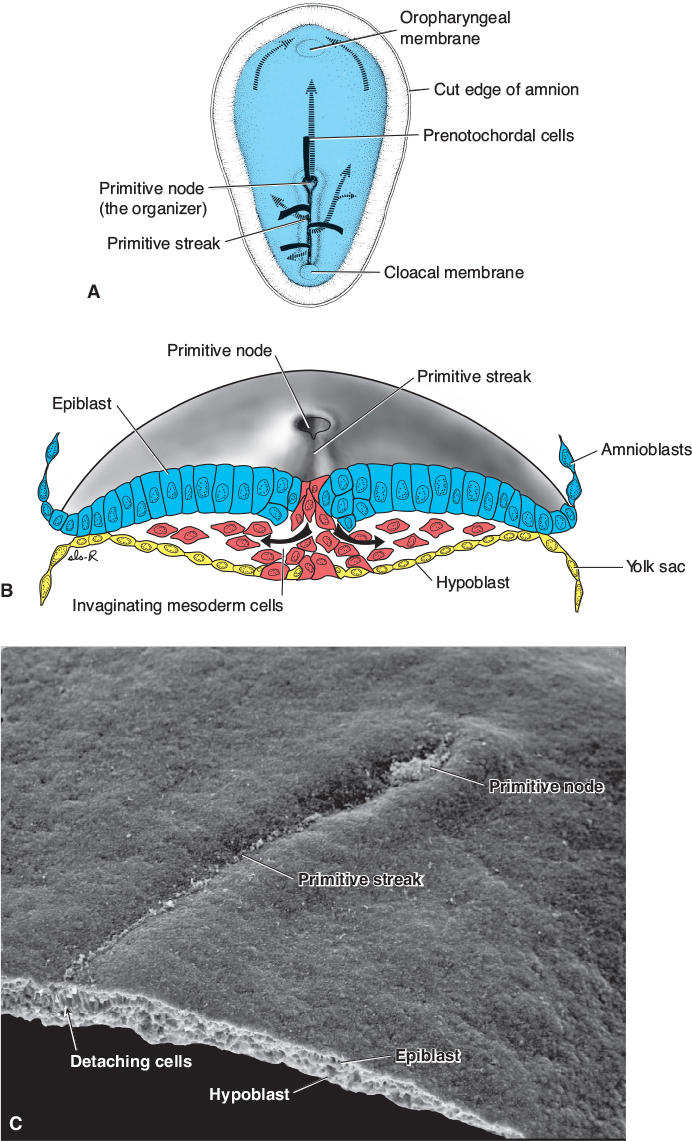
cloacal membrane
9
when do the allantoenteric diverticulum (allantois) appear in development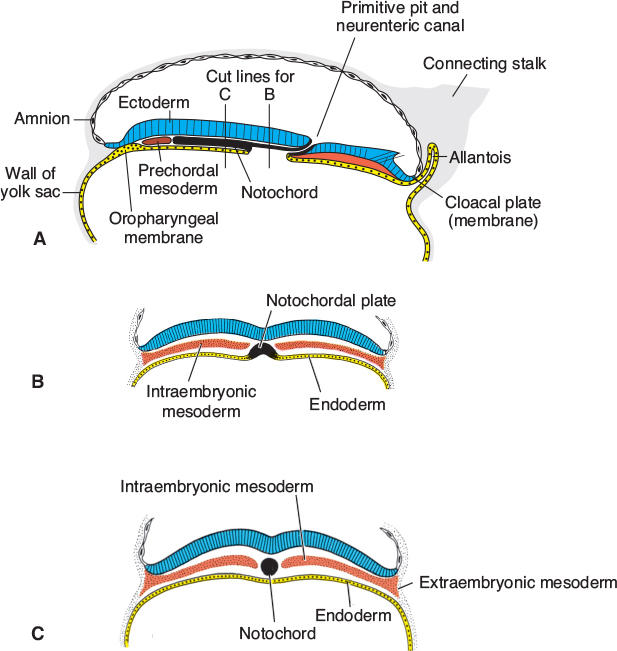
around day 16
10
the L-R development and D-V development occurs in early _____________ during the late morula and to blastocyst stages of development
embryogenesis
11
By the blastocyst stage, the A–P axis is determined and cells that are destined to form the ________________________ at the cranial end of the endoderm layer of the bilaminar disc (Fig. 5.4) migrate toward what will become the head region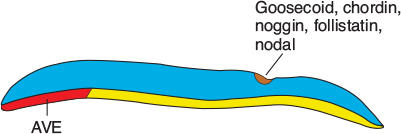
anterior visceral endoderm
12
express genes essential for head formation, including the transcription factors OTX2, LIM1, and HESX1, and the secreted factors cerberus and lefty1 (members of the TGF-β family), which inhibit nodal (a member of the TGF-β family) activity, thereby establishing the cranial end of the embryo.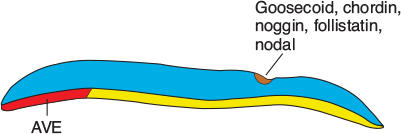
cells in the anterior visceral endoderm
13
these secreted factors inhibit nodal and establish the cranial end of the embryo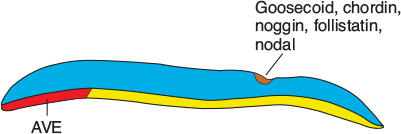
cerberus and leftyr
14
absense of cerberus and leftyr at the caudal end of the embryo allows __ expression to continue and this signal establishes and maintains the primitive streak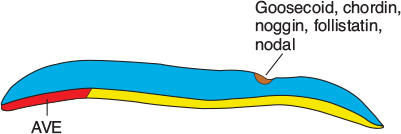
nodal
15
is secreted throughout the embryonic disc (Fig. 5.4). In the presence of this protein and FGF, mesoderm will be ventralized to contribute to kidneys (intermediate mesoderm), blood, and body wall mesoderm (lateral plate mesoderm).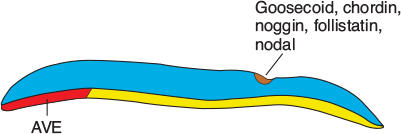
bone morphogenic protein (BMP)
16
factors secreted by the node, including chordin, noggin, and gollistatin, antagonize the activity of ______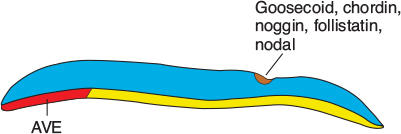
BMP
17
What activates chordin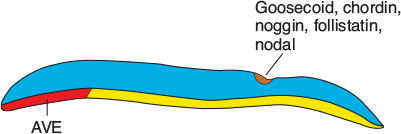
GOOSECOID
18
expression of the ________________ gene antagonizes BMP4 to dorsalize mesoderm into notochord and paraxial mesoderm in caudal regions of the embryo.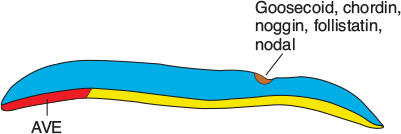
BRACHYURY (T)
19
a transcription factor secreted by the node and endoderm, maintains the node and primitive streak and later induces regional specificity in the forebrain and midbrain areas.
HNF-3B (hepatocyte nuclear factor)
20
what happens without HNF-3B present?
embryos fail to gastrulate properly and lack forebrain and midbrain structures
21
what does over or under expressuon of GOOSECOID lead to?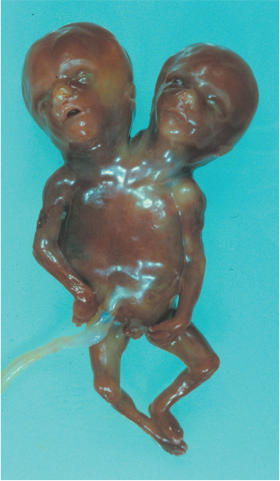
Over- or underexpression of this gene in laboratory animals results in severe malformations of the head region, including duplications, similar to some types of conjoined twins
22
this growth factor indices expressuon of NODAL; this restricts NODAL expresison to the left side of the embryo by the accumulation of _______- on the left side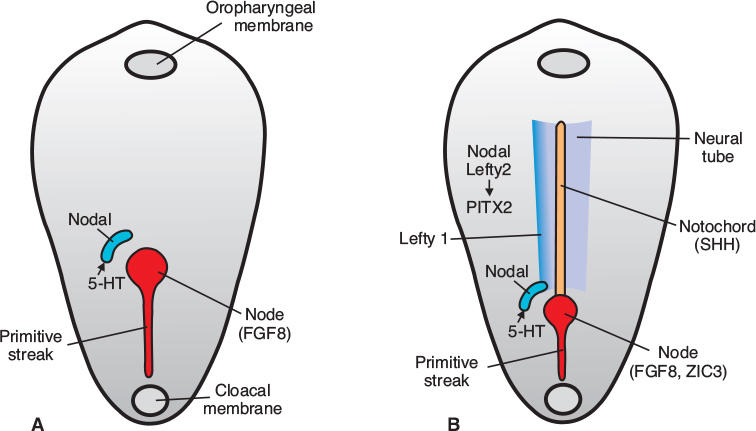
FGF8; serotonin (5-HT)
23
High concentrations of 5-HT on the left activate expresison of TF ________ that restricts NODAL expression to the left side of the primitive node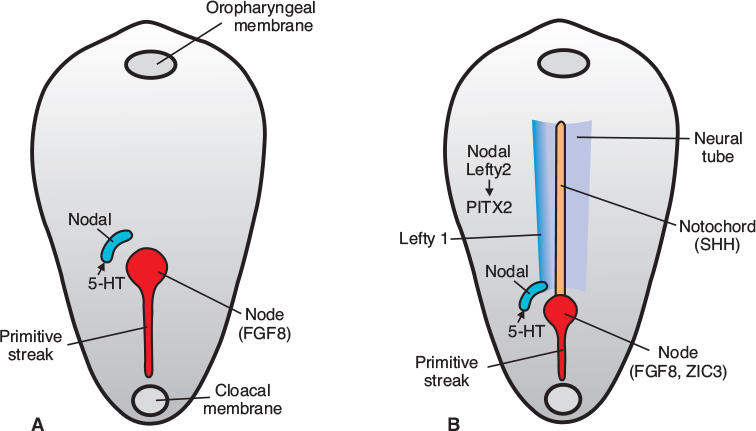
MAD3
24
TF that restricts NODAl expression to the left side of the primitive node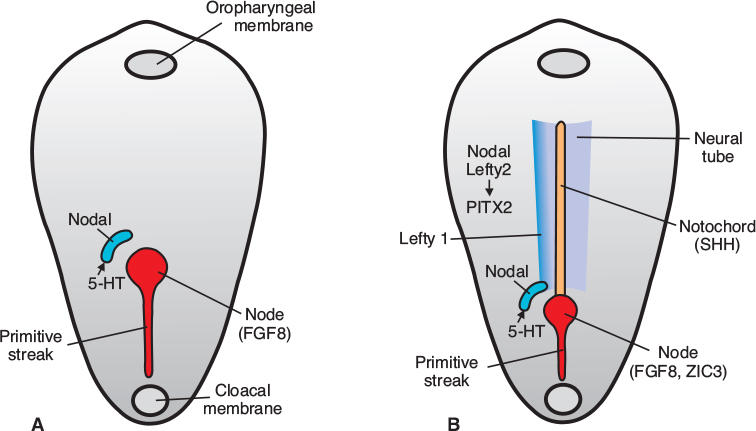
MAD 3
25
midline genes not only involved in establishing the midline but also involved in preventing NODAL expression from crossing over to the right side (x3)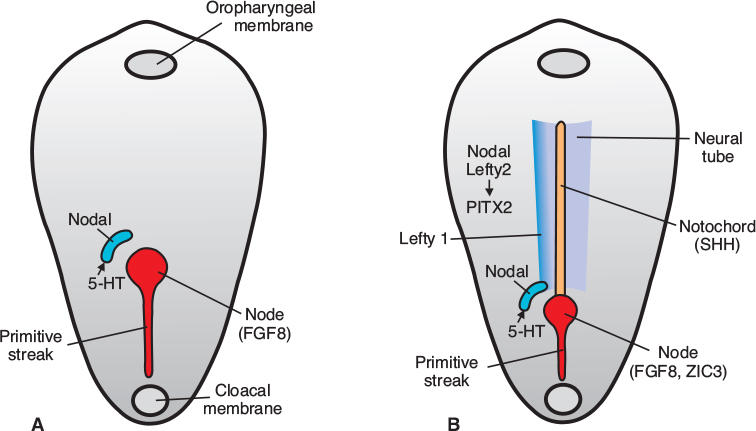
SHH; LEFTY1; ZIC3
26
nodal protein initiates a signal cascade that includes _______ tp upregulate ____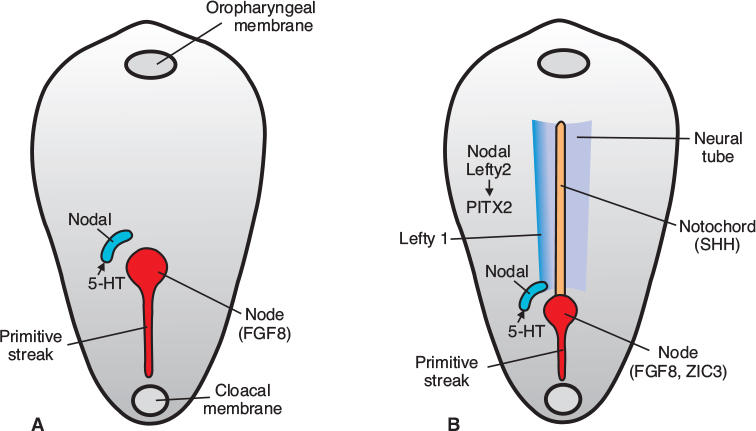
Lefty2; PITX2
27
(L-R) a homeobox-containing transcription factor that is a “master gene” responsible for establishing left-sidedness, and its expression is repeated on the left side of the heart, stomach, and gut primordia as these organs are assuming their normal asymmetrical body positions.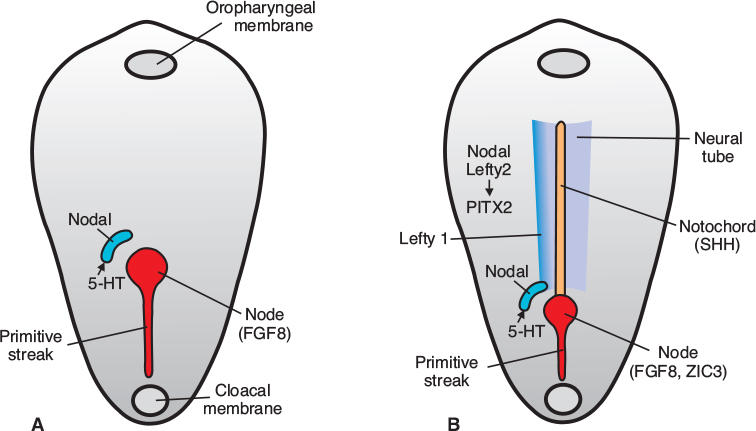
PITX2
28
Genes regulating right-sided development are not as well defined, although expression of the transcription factor _____________ is restricted to the right lateral plate mesoderm and probably regulates effector genes responsible for establishing the right side.
SNAIL
29
high doses of alcohol at this stage kill cells in the anterior midline of the germ disc, producing a deficiency of the midline in craniofacial structures and resulting in...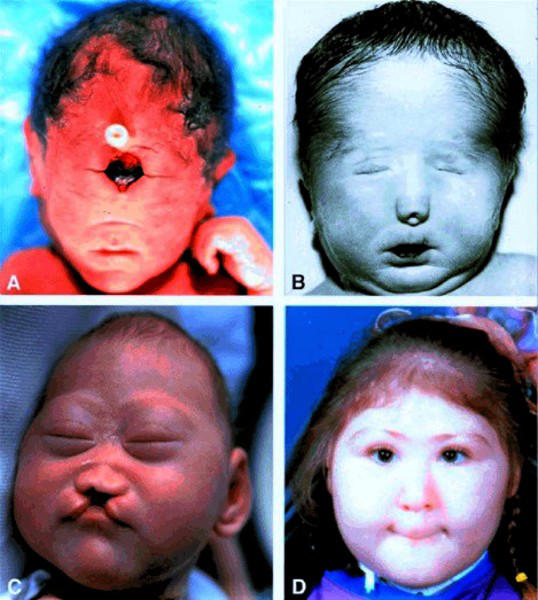
holoprosencephaly
30
In caudal dysgenesis ______________, insufficient mesoderm is formed in the caudalmost region of the embryo.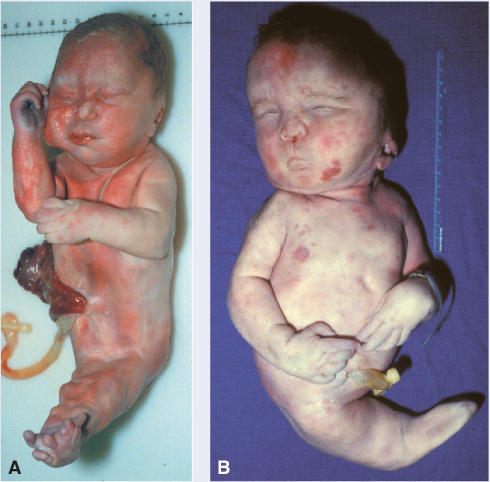
sirenomelia
31
remanants of the primitive streak can perist in the sacrococcygeal region; these clusters of pluriptent cells proliferate and form tumors known as ...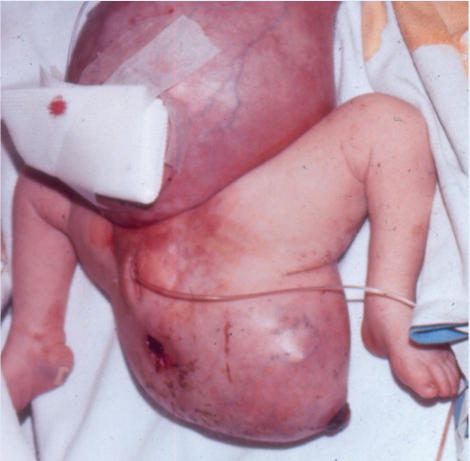
sacrococcygeal teratomas
32
refers to the normal positioning of the internal organs.
situs solitus
33
refers to a condition in which the positioning of all organs is reversed in a mirror image arrangement; patients at low risk for other birth defects
situs inversus
34
discordant organ positioning with respect to symmetry, in which one or more organs are abnormally reversed in position or isomerisms; patients at high isk for having a wide variety of other birth defects
situs ambiguus
35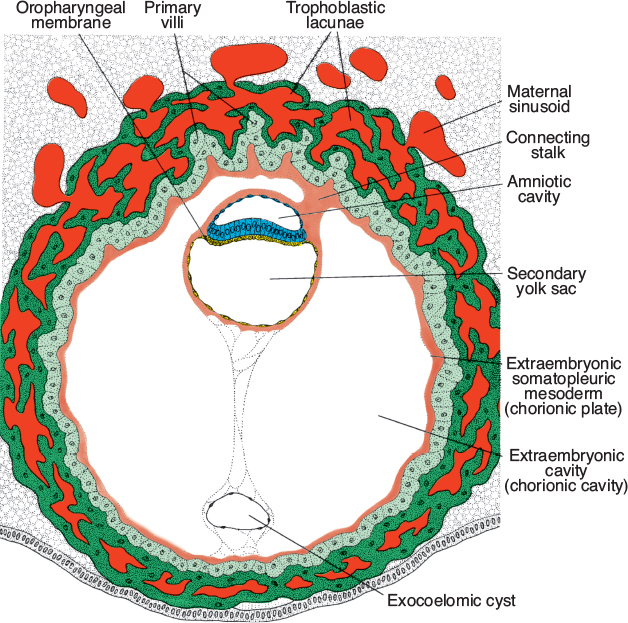
Image occlusion: name the hidden labels
36
Image occlusion: name the hidden labels
37
Image occlusion: name the hidden labels
38
Image occlusion: name the hidden labels
39
Image occlusion: name the hidden labels
40
Image occlusion: name the hidden labels
41
Image occlusion: name the hidden labels
42
what does the connecting stalk later become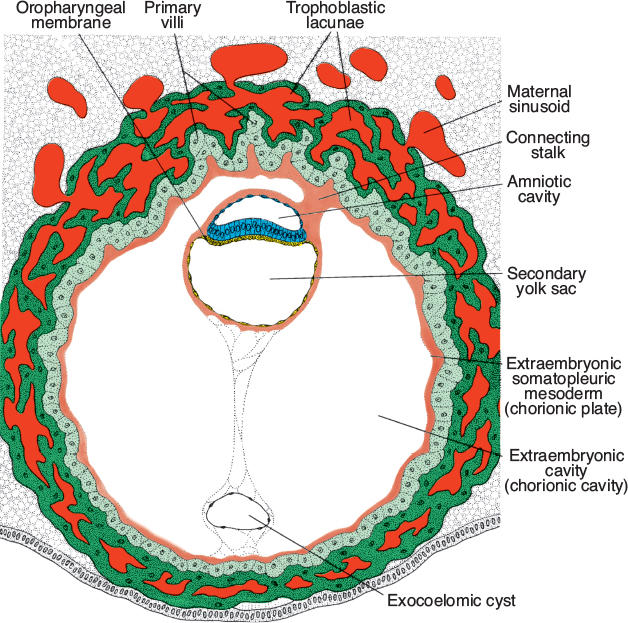
umbilical cord
43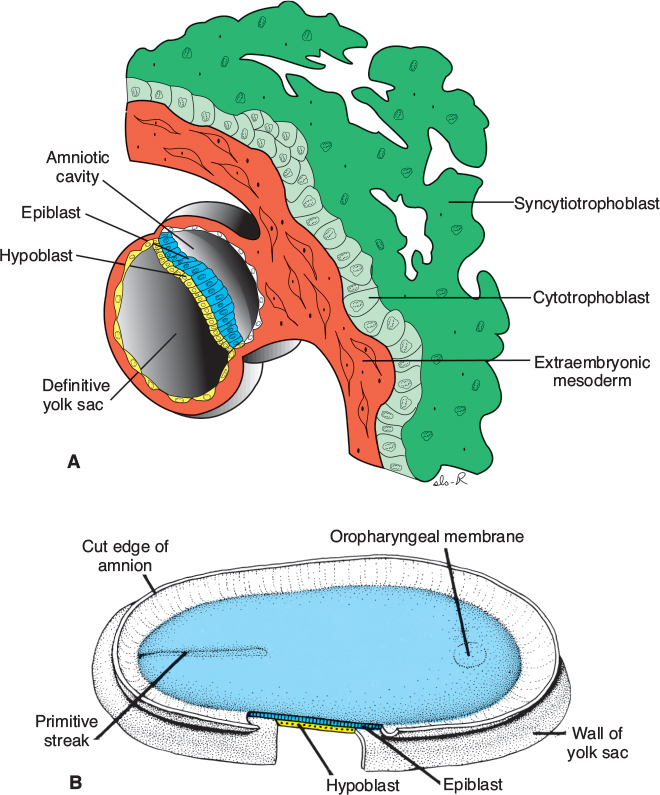
Image occlusion: name the hidden labels
44
Image occlusion: name the hidden labels
45
Image occlusion: name the hidden labels
46
Image occlusion: name the hidden labels
47
Image occlusion: name the hidden labels
48
Image occlusion: name the hidden labels
49
Image occlusion: name the hidden labels
50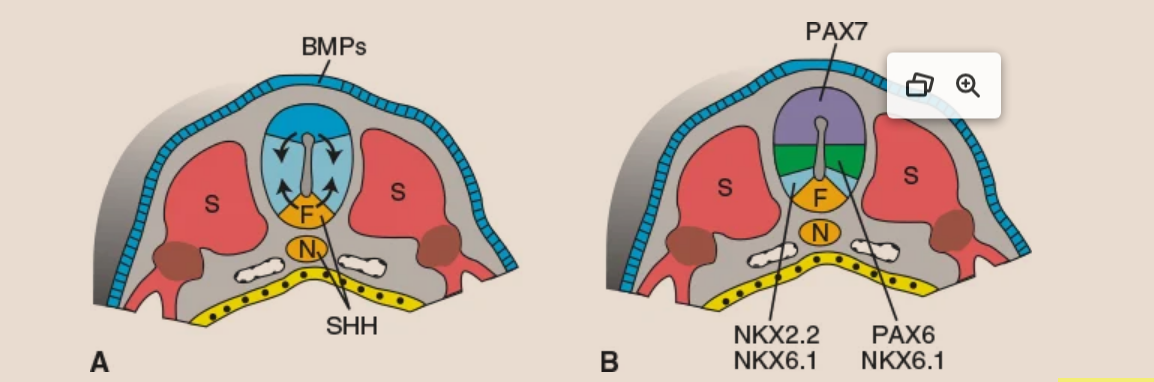
Image occlusion: name the hidden labels
51
Image occlusion: name the hidden labels
52
Image occlusion: name the hidden labels
53
Image occlusion: name the hidden labels
54
Image occlusion: name the hidden labels
55
neural tube differentiation: Initially, _____________) secreted in the ectoderm overlying the neural tube establish a signaling center in the roof plate.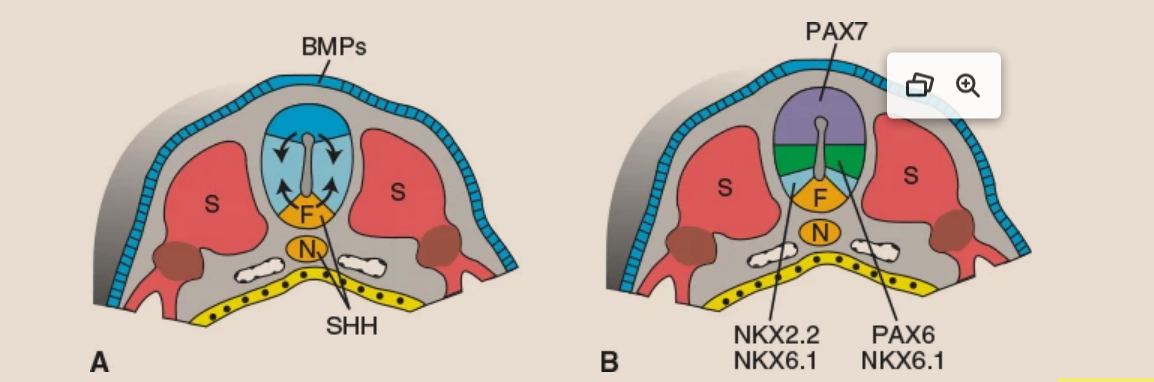
BMP4 BMP7
56
neural tbe differentiation: BMP4 in the roof plate upregulates a cascade of TGF-β proteins, including _____________ in this region.
BMP5, BMP7, activin, dorsalin
57
Most defects of the spinal cord result from abnormal closure of the neural folds in the third and fourth weeks of development. The resulting abnormalities, _____________), may involve the meninges, vertebrae, muscles, and skin.
neural tube defects (NTD)
58
general term for NTDs affecting the spinal region. It consists of a splitting of the vertebral arches and may or may not involve underlying neural tissue
spina bifida
59
a defect in the vertebral arches that is covered by skin and normally does not involve underlying neural tissue (Fig. 18.15A). Most often, the defect occurs in the sacral region (S1–S2) and is sometimes marked by a patch of hair overlying the affected region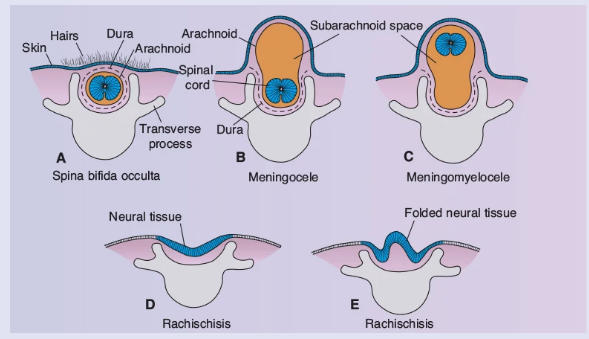
spina bifida occulta
60
what causes spina bifida occulta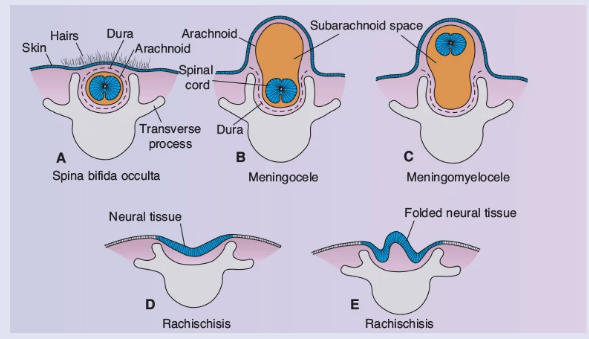
lack of fusion of vertebral arcges
61
refers to NTDs in which the neural tube fails to close, resulting in spina bifida and exposure of neural tissue that often becomes necrotic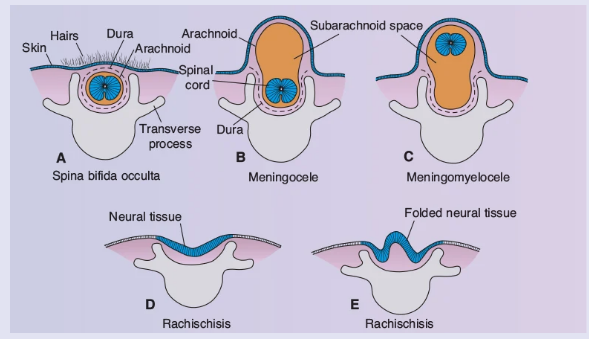
rachischisis
62
spina bifida: only fluid-filled meninges protrude through the defect 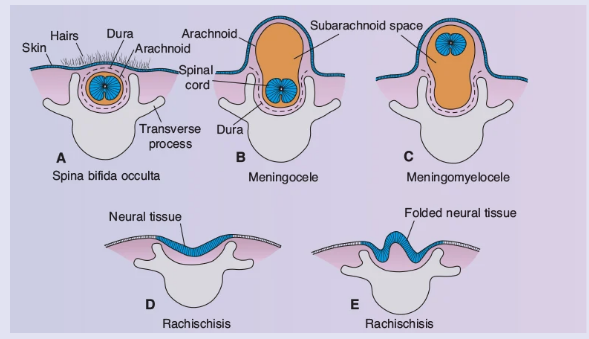
meningocele
63
spina bifida: neural tissue is included in the sac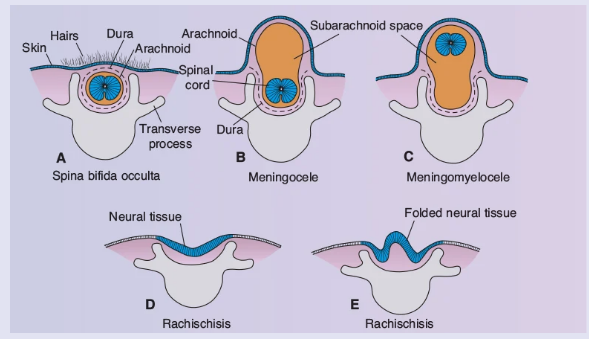
myelomeningocele
64
______________requiring intervention develops in 80% to 90% of children born with severe NTDs and is often related to the presence of an Arnold–Chiari malformation (herniation of part of the cerebellum into the foramen magnum), which obstructs the flow of cerebrospinal fluid (CSF) and causes this
hydrocephally
65
herniation of part of the cerebellum through the foramen magnum
arnold-chiari malformation
66
revention of many NTDs is possible if women take ________________ starting at least 1 month prior to conception and then throughout their pregnancy.
folic acid (400 ug/day)
67
herefore, the critical period for causing most structural birth defects extends from _____________
fertilization-8thwk gestation
68
result in morphologic alterations of already formed structures and are caused by destructive processes. Vascular accidents leading to transverse limb defects and defects produced by amniotic bands are examples of destructive factors that produce these
disruptions
69
result from mechanical forces that mold a part of the fetus over a prolonged period. Clubfeet, for example, are caused by compression in the amniotic cavity
deformations
70
Strands of ________ may be swallowed or become wrapped around structures causing various disruption-type defects. The origin of the bands of amniotic tissue is unknown.
amnion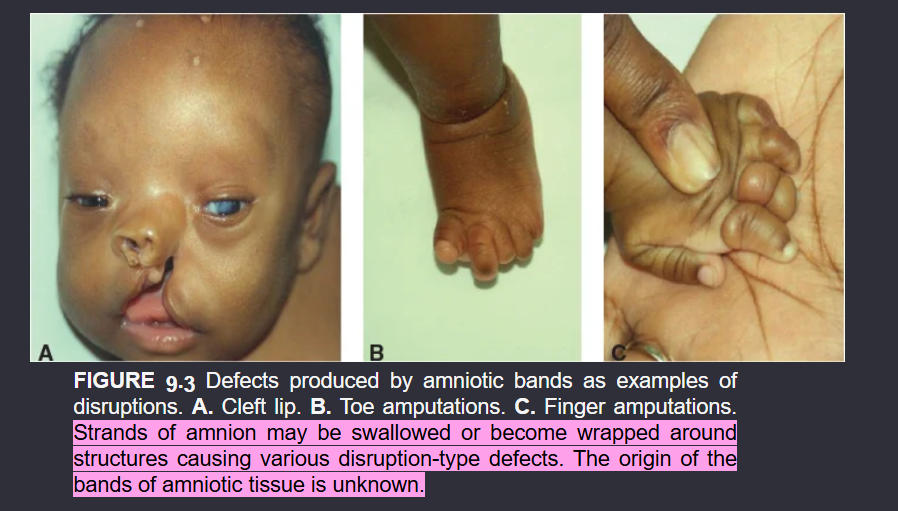
71
a group of anomalies occurring together that have a specific common cause. This term indicates that a diagnosis has been made and that the risk of recurrence is known.
syndrome
72
the nonrandom appearance of two or more anomalies that occur together more frequently than by chance alone, but the cause has not been determined. An example is the VACTERL
association
73
Susceptibility to teratogenesis depends on the ______________ and the manner in which this genetic composition interacts with the environment.
genotype of conceptus
74
Limb defects characterized by loss of the long bones of the limb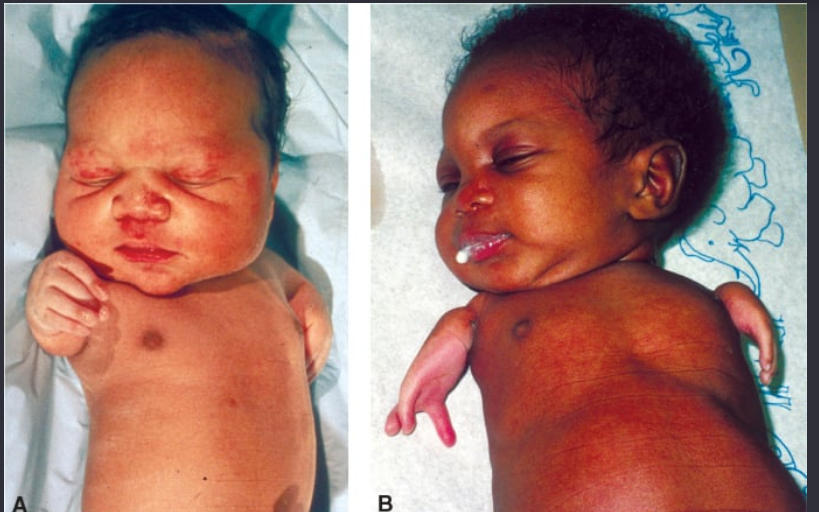
phocomelia
75
________________ is a serious threat. Often, the mother has no symptoms, but the effects on the fetus can be devastating. The infection can cause serious illness at birth and is sometimes fatal. On the other hand, some infants are asymptomatic at birth but develop abnormalities later, including hearing loss, visual impairment, and intellectual disability.
cytomegalovirus
76
nduced abnormalities are rare, and usually, infection is transmitted to the child during delivery, causing severe illness and sometimes death
herpes
77
infection with _________- causes scarring of the skin, limb hypoplasia, and defects of the eyes and central nervous system.
varicella
78
Zika infection causes a unique pattern of birth defects in affected children including (x5)
(1) severe microcephaly with overlapping cranial sutures, redundant scalp skin, and a prominent occipital bone (Fig. 9.6); (2) thinning of the cerebral cortex with abnormal gyri and subcortical calcifications; (3) microphthalmia and coloboma; (4) joint contractures (arthrogryposis); and (5) neurologic sequelae, including motor and cognitive deficits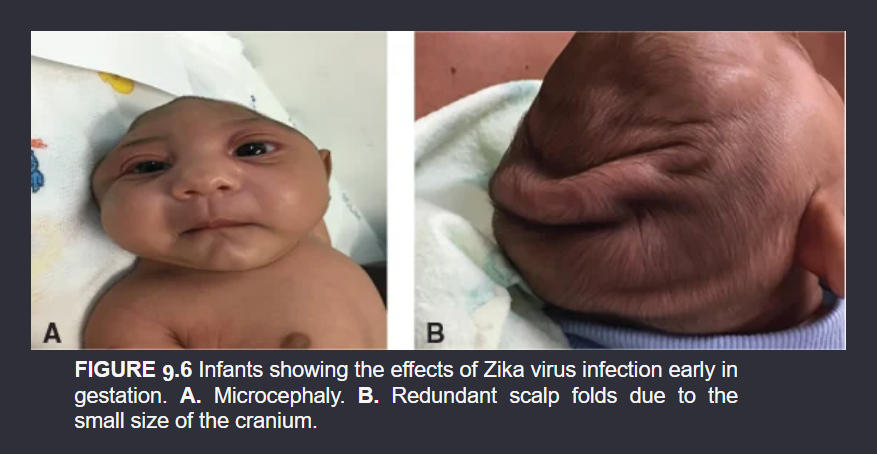
79
cause fevers
pyrogenic
80
Characteristically, ____________ is affected by elevated temperatures, and neural tube defects, such as anencephaly and spina bifida, are produced.
neurulation
81
what does fetal toxoplasmosis infection cause?
cerebral calcifications, microcephally, macrocephally, hyrocephallus
82
kills rapidly proliferating cells, so it is a potent teratogen, producing virtually any type of birth defect depending on the dose and stage of development of the conceptus at the time of exposure.
ionizing radiation
83
an analogue of vitamin A, has been shown to cause a characteristic pattern of malformations known as the isotretinoin embryopathy.
isotretinoin (accutane)
84
produce a broad spectrum of abnormalities that constitute distinct patterns of dysmorphogenesis known as the trimethadione and fetal hydantoin syndromes. F
tremethadione and diphenylhydrantoin
85
increases the risk for several defects, including atrial septal defects (ASDs), cleft palate, hypospadias, polydactyly, and craniosynostosis, but the highest risk is for the neural tube defect spina bifida.
valproic acid
86
linked by epidemiologic studies to multiple birth defects, presumably because of serotonin’s role in establishing the left–right axis
SSRIs
87
produce growth retardation, renal dysfunction, fetal death, and oligohydramnios if exposures occur during the second or third trimester
antihypertensive agents that inhibit angiotensin converting enzyme inhibitors
88
diagnosis of fetal alcohl syndrome must include...
decreased growth (<10th percentile), decreased head circumference (10th percentile), and two of three key facial features (short palpebral fissures, smooth philtrum, and thin upper lip).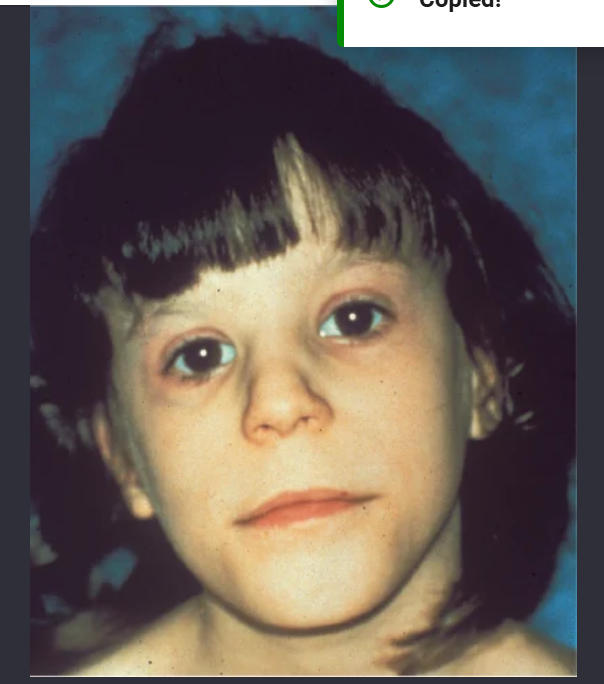
89
refers to cases with evidence of involvement of the central nervous system that do not meet the diagnostic criteria for FAS
alcohol related neurodevelopmental dsorder
90
inked to an increased risk for orofacial clefts (cleft lip and cleft palate) and is a moderate risk factor for heart defects, including transposition of the great arteries (TGA), ASD, pulmonary stenosis, and common truncus arteriosus.
smoking
91
was used to prevent abortion, raised the incidence of carcinomas of the vagina and cervix in women exposed to the drug in utero.
-Male embryos exposed in utero can also be affected, as evidenced by an increase in malformations of the testes and abnormal sperm analysis among these individuals.
-Male embryos exposed in utero can also be affected, as evidenced by an increase in malformations of the testes and abnormal sperm analysis among these individuals.
synthetic estrogen (diethylstilbestrol)
92
phenylketonuria (PKU), in which the enzyme phenylalanine hydroxylase is deficient or reduced, resulting in increased serum concentrations of phenylalanine, are at risk for having infants with (x3)
intellectual disability, microcephal, cardiac defects
93
obsese mothers are more likely to have babies with..
neural tube defects
94
a relatively noninvasive technique that uses high-frequency sound waves reflected from tissues to create images. The approach may be transabdominal or transvaginal, with the latter producing images with higher resolution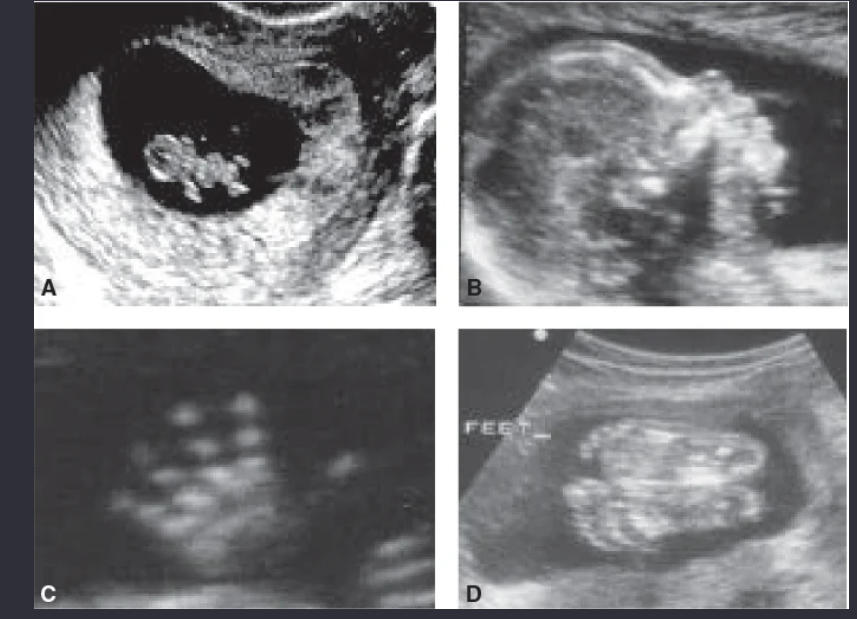
ultrasonography
95
test involves measurement of the translucent space at the posterior of the baby’s neck, where fluid accumulates when Down syndrome and some other abnormalities, especially heart defects, are present.
nuchal translucency
96
involves inserting a needle transabdominally or transvaginally into the placental mass and aspirating approximately 5 to 30 mg of villus tissue. The technique is performed earlier in gestation (8 to 9 weeks) than amniocentesis (13 to 15 weeks), thereby providing an earlier diagnosis of genetic abnormalities.
chorionic villus sampling
97
conducted on a single blastomere obtained 3 days after the process of in vitro fertilization has been initiated when the embryo is at the three- to eight-cell stage. FISH analysis can determine the presence of aneuploidy and the cell’s DNA can be amplified by whole genome PCR to screen for genetic abnormalities.
preimp;antation genetic diagnosis
98
whereby the uterus is exposed and opened to operate directly on the fetus;
open fetal surgery
99
surgery using small incisions through the mother’s abdominal wall and the uterus.
fetoscopic surgery