Physiology S1 U1
Study these flashcardsFree · spaced repetition · iPhone, Android, Mac & web
All cards
1
the differnt substances that make up the cell are called..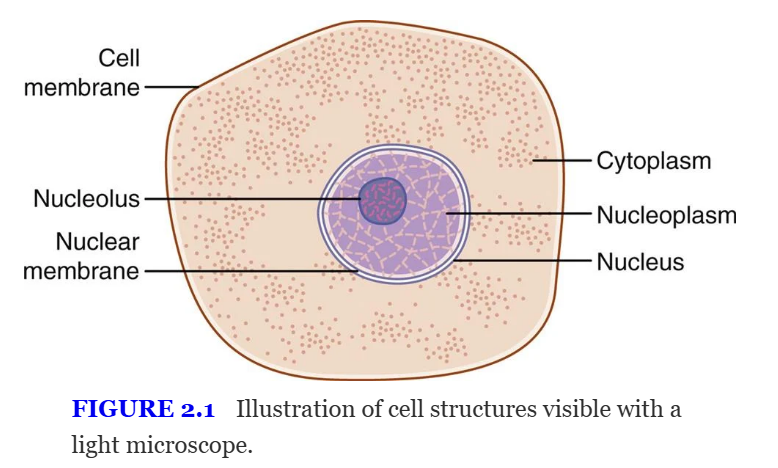
protoplasm
2
_____ acting at the cell membrane are required for transmission of electrochemical impulses in nerve and muscle fibers.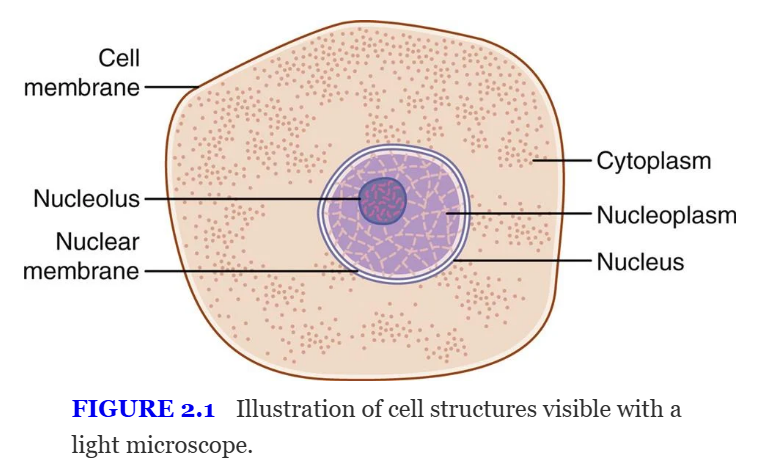
ions
3
In fat cells (adipocytes(, __________ often account for as much as 95% of the cell mass. The fat stored in these cells represents the body’s main storehouse of energy-giving nutrients that can later be used to provide energy wherever it is needed in the body.
triglycerides
4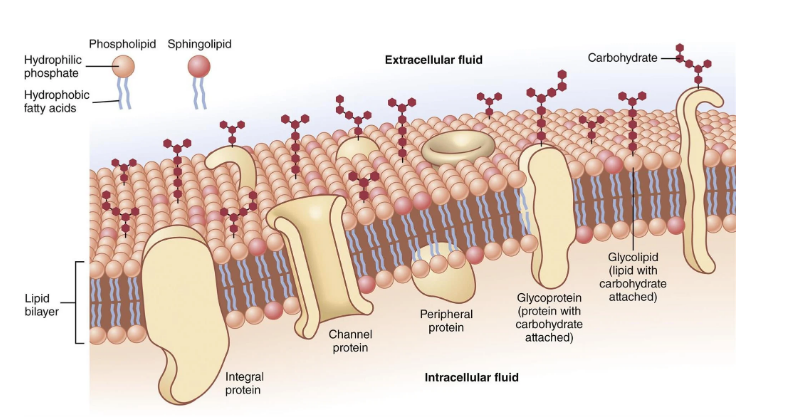
Image occlusion: name the hidden labels
5
Image occlusion: name the hidden labels
6
Image occlusion: name the hidden labels
7
The basic lipid bilayer is composed of three main types of lipids: (x3)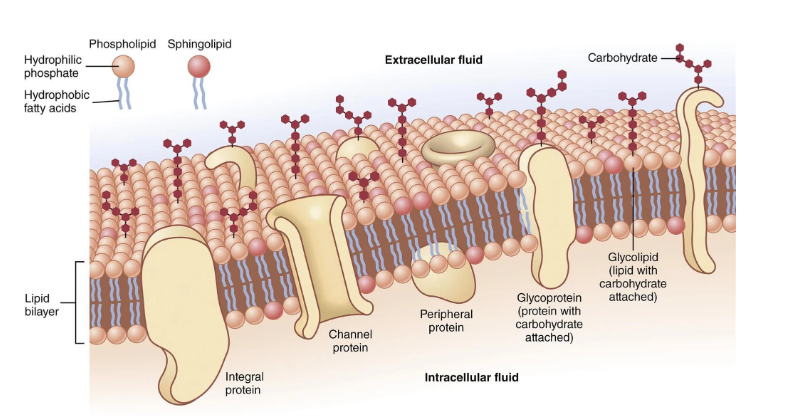
phospholipids, sphingolipids, and cholesterol
8
derived from the amino alcohol sphingosine, also have hydrophobic and hydrophilic groups and are present in small amounts in the cell membranes, especially nerve cells.
sphingolipids
9
which are mainly carbohydrates bound to small protein cores—are loosely attached to the outer surface of the cell as well.
proteoglycans
10
the entire outside surface of the cell often has a loose carbohydrate coat called the
glycocolyx
11
helps process molecules made by the cell and transports them for their specific uses inside or outside the cell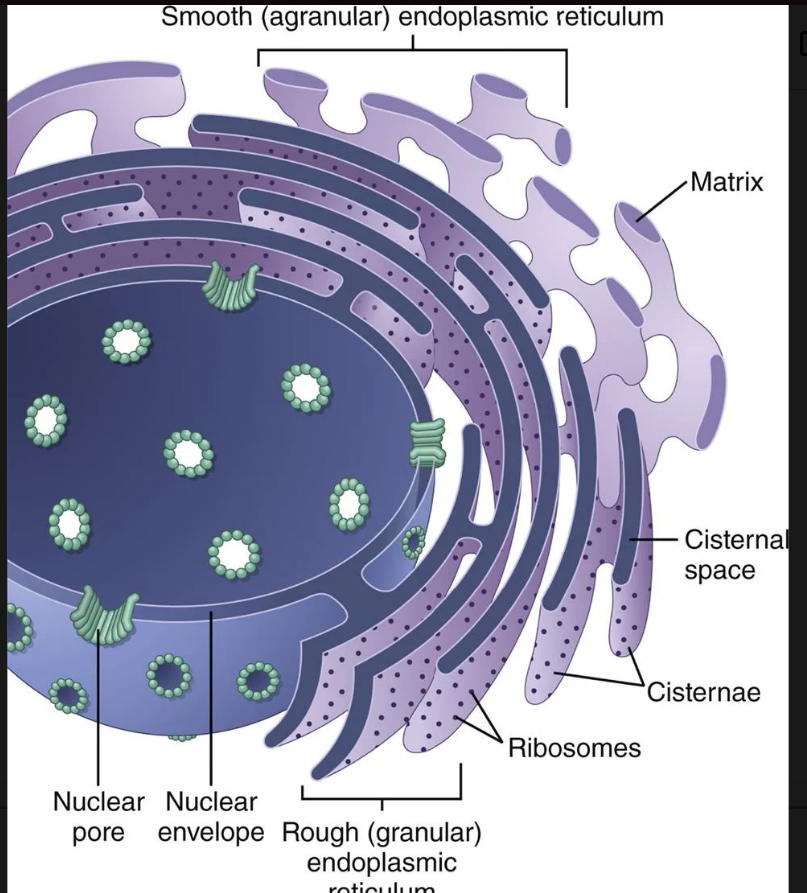
ER
12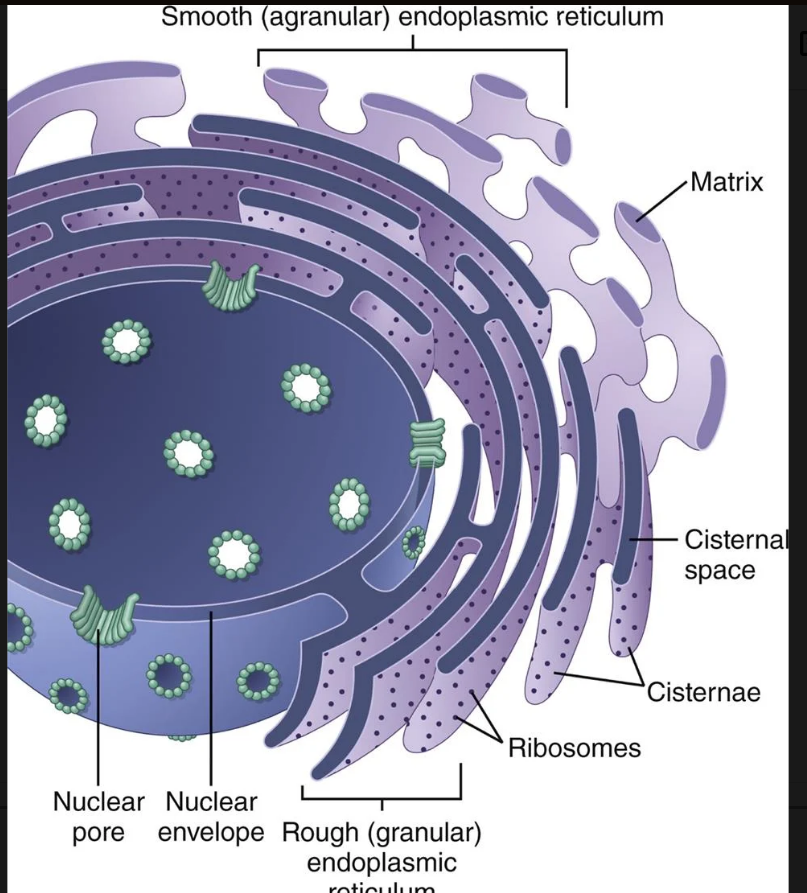
Image occlusion: name the hidden labels
13
Image occlusion: name the hidden labels
14
Image occlusion: name the hidden labels
15
synthesis of lipid substances, detoxification of drugs and poisons, and other processes of the cells promoted by intrareticular enzymes.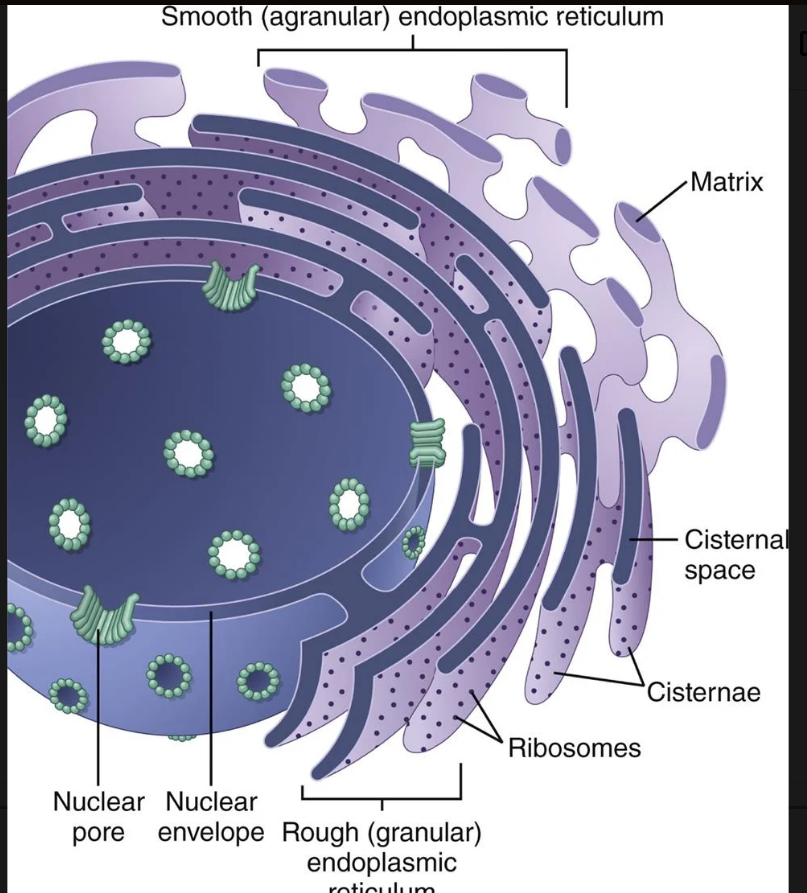
smooth ER
16
organelle which prepares them for export outside of the cell or for transport to other locations in the cell.
golgi apparatus
17
how do lyosomes work?
contain hydrolytic enzyme can split an organic compound into two or more parts by combining hydrogen from a water molecule with one part of the compound and combining the hydroxyl portion of the water molecule with the other part of the compound
18
rare genetic disorder caused by mutation of the gene for a lysosomal enzyme (hexosaminidase A) that breaks down complex lipids called gangliosides in the brain and nerve cells. Excessive accumulation of these lipids damages the nervous system, causing cognitive deficits, impaired motor skills, and often premature death.
tay sachs disease
19
what enzyme is mutated in tay sachs disease?
hexosaminidase A
20
how do peroxidomes work?
Several of the oxidases combine oxygen with hydrogen ions derived from different intracellular chemicals to form hydrogen peroxide (H2O2). Hydrogen peroxide is a highly oxidizing substance and is used in association with catalase, another oxidase enzyme present in large quantities in peroxisomes, to oxidize many substances that might otherwise be poisonous to the cell.
21
associated with a decreased number of cell peroxisomes and leads to severe disorders of the nervous system and metabolism. Zellweger syndrome is present at birth, has no effective treatment, and is usually fatal in the first year of life.
zellweger syndrome
22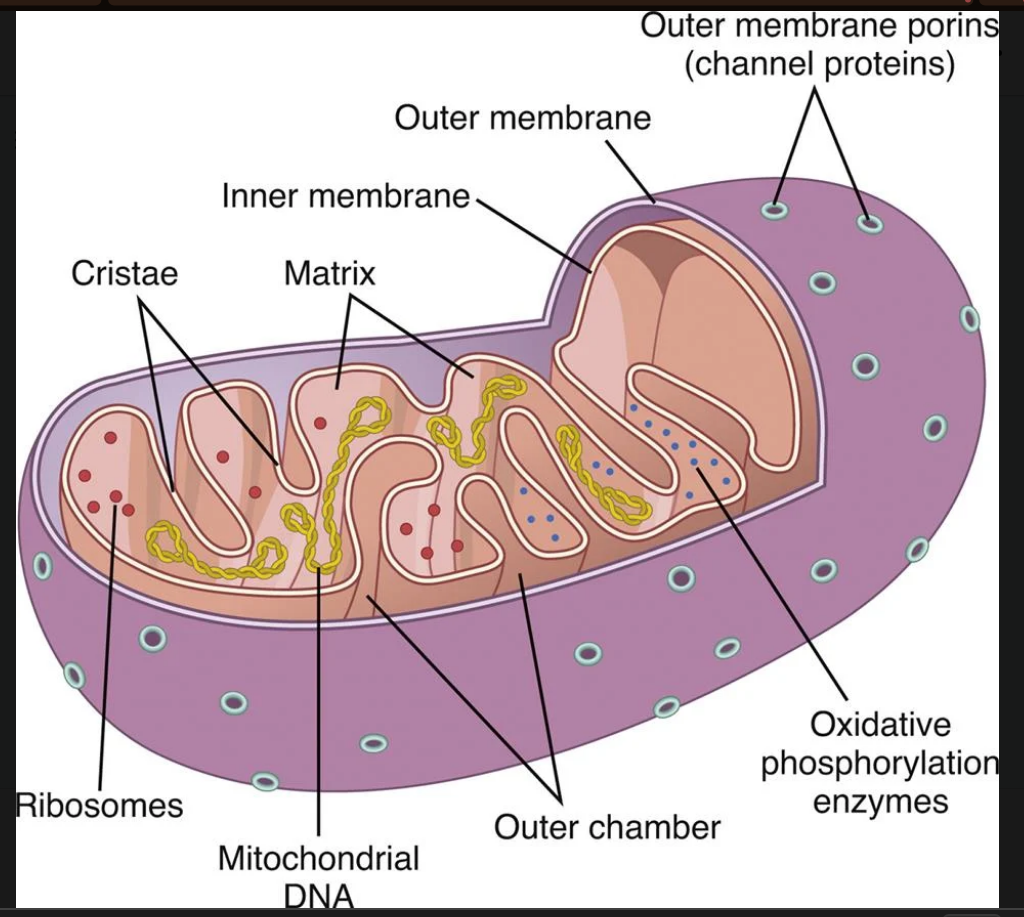
Image occlusion: name the hidden labels
23
Image occlusion: name the hidden labels
24
Image occlusion: name the hidden labels
25
Image occlusion: name the hidden labels
26
work together with microtubules, providing strength and support for the fragile tubulin structures.
-mechanical, and they are less dynamic than actin microfilaments or microtubules
-mechanical, and they are less dynamic than actin microfilaments or microtubules
intermediate filaments
27
centrioles and mitotic spindles of cells undergoing mitosis are composed of stiff ...
microtubles
28
The principal forms of endocytosis are...
pinocytosis and phagocytosus
29
means whereby most large macromolecules, such as most proteins, can enter cells.
-molecules usually attach to specialized protein receptors on the surface of the membrane that are specific for the type of protein that is to be absorbed.
-clathrin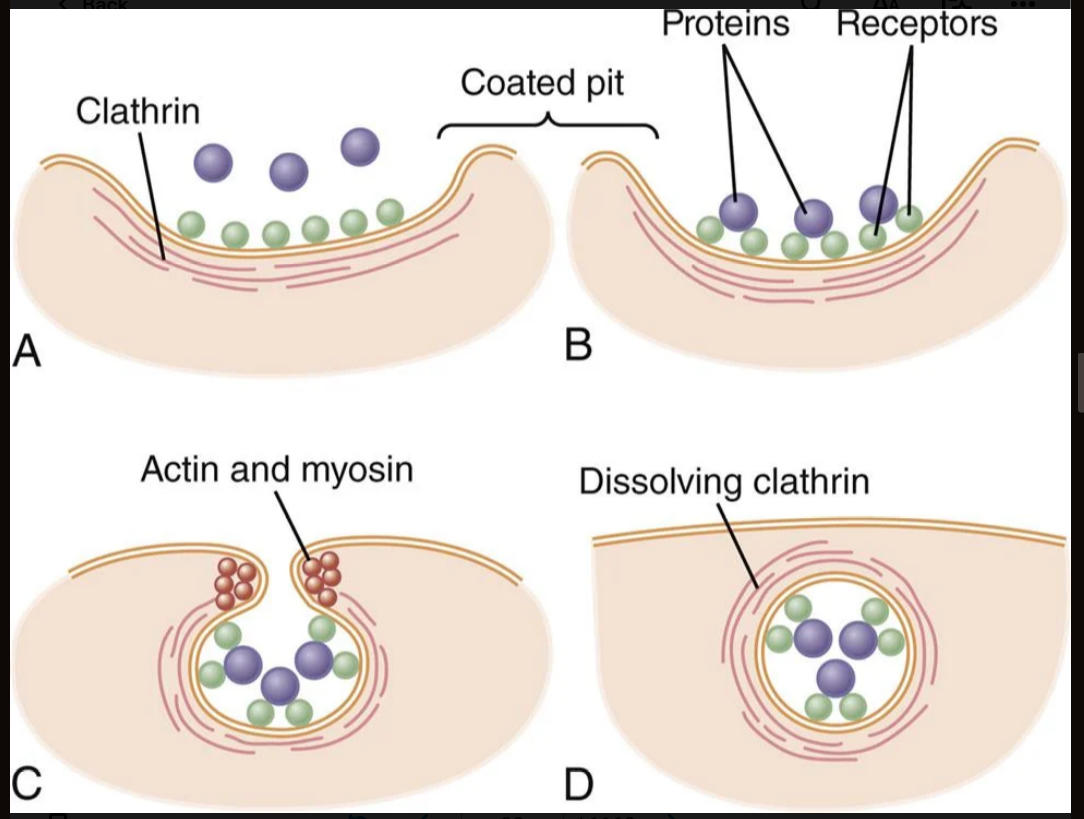
-molecules usually attach to specialized protein receptors on the surface of the membrane that are specific for the type of protein that is to be absorbed.
-clathrin
pinocytosis
30
what are the steps of phagocytosis (x4)
1. The cell membrane receptors attach to the surface ligands of the particle.
2. The edges of the membrane around the points of attachment evaginate outward within a fraction of a second to surround the entire particle; then, progressively more and more membrane receptors attach to the particle ligands. All this occurs suddenly in a zipper-like manner to form a closed phagocytic vesicle.
3. Actin and other contractile fibrils in the cytoplasm surround the phagocytic vesicle and contract around its outer edge, pushing the vesicle to the interior.
4. The contractile proteins then pinch the stem of the vesicle so completely that the vesicle separates from the cell membrane, leaving the vesicle in the cell interior in the same way that pinocytotic vesicles are formed.
2. The edges of the membrane around the points of attachment evaginate outward within a fraction of a second to surround the entire particle; then, progressively more and more membrane receptors attach to the particle ligands. All this occurs suddenly in a zipper-like manner to form a closed phagocytic vesicle.
3. Actin and other contractile fibrils in the cytoplasm surround the phagocytic vesicle and contract around its outer edge, pushing the vesicle to the interior.
4. The contractile proteins then pinch the stem of the vesicle so completely that the vesicle separates from the cell membrane, leaving the vesicle in the cell interior in the same way that pinocytotic vesicles are formed.
31
The ER also synthesizes lipids, especially (x2). These lipids are rapidly incorporated into the lipid bilayer of the ER
phospholipids and cholesterol
32
In a highly secretory cell, the vesicles formed by the Golgi apparatus are mainly secretory vesicles containing proteins that are secreted through the surface of the cell membrane. These secretory vesicles first diffuse to the cell membrane and then fuse with it and empty their substances to the exterior by the mechanism called exocytosis. Exocytosis, in most cases, is stimulated by entry of _______
Ca2+
33
what is ATP made of?
(1) the nitrogenous base adenine; (2) the pentose sugar ribose; and (3) three phosphate radicals.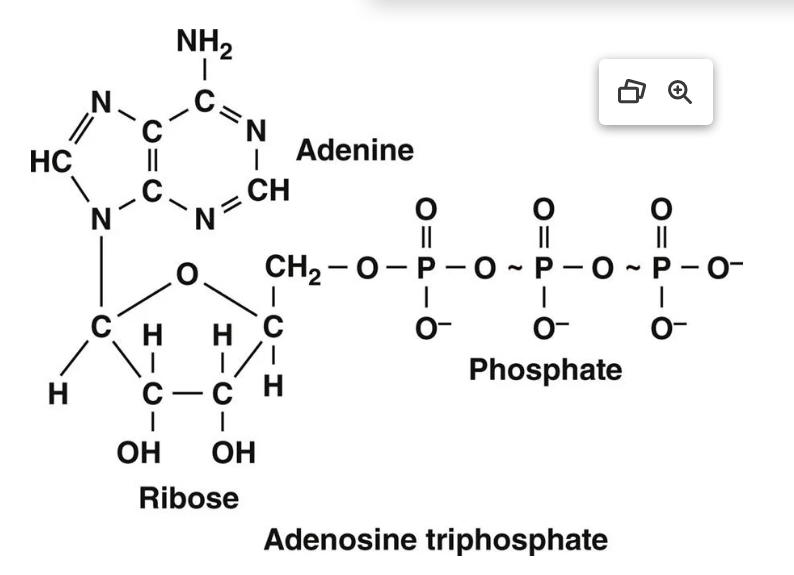
34
Energy from ATP is used to promote three major categories of cellular functions: (x3)
(1) transport of substances through multiple cell membranes; (2) synthesis of chemical compounds throughout the cell; and (3) mechanical work
35
Motile cilia can undergo a whiplike movement on the surfaces of cells. This movement occurs mainly in two places in the human body (x2)
on the surfaces of the respiratory airways and on the inside surfaces of the uterine tubes (fallopian tubes) of the reproductive tract.
36
nonmotile and generally occur only as a single cilium on each cell. Current evidence indicates that they function as cellular “sensory antennae,” which coordinate cellular signaling pathways involved in chemical and mechanical sensation, signal transduction, and cell growth.
primary cilia
37
copounds involved in the formation of dna (x4)
(1) phosphoric acid; (2) a sugar called deoxyribose; and (3) four nitrogenous bases (two purines, adenine and guanine, and two pyrimidines, thymine and cytosine)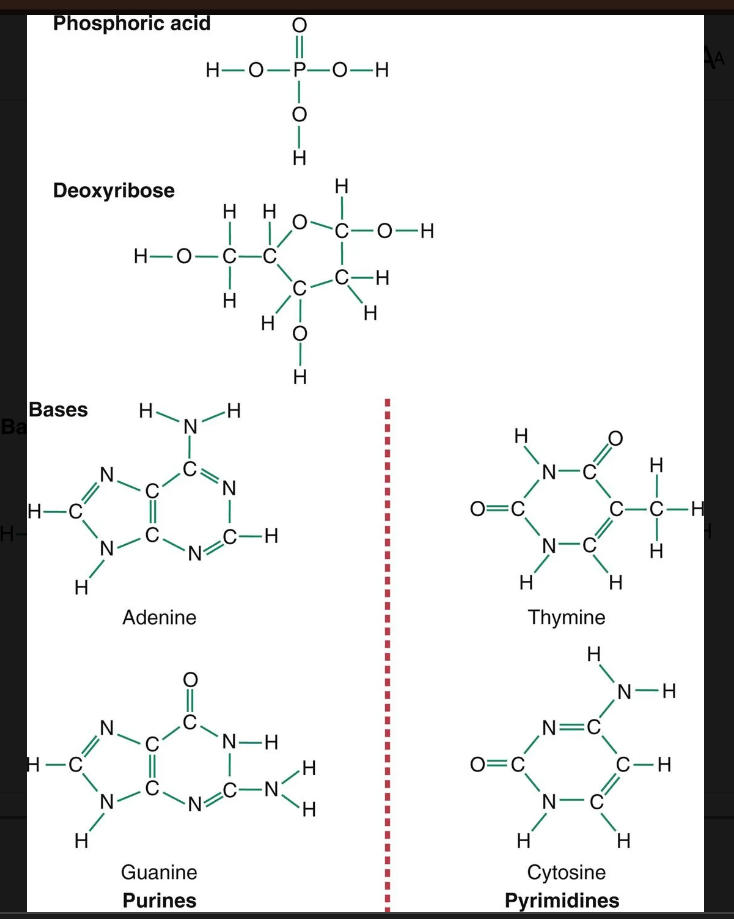
38
first stage DNA formation
combine one molecule of phosphoric acid, one molecule of deoxyribose, and one of the four bases to form an acidic nucleotide.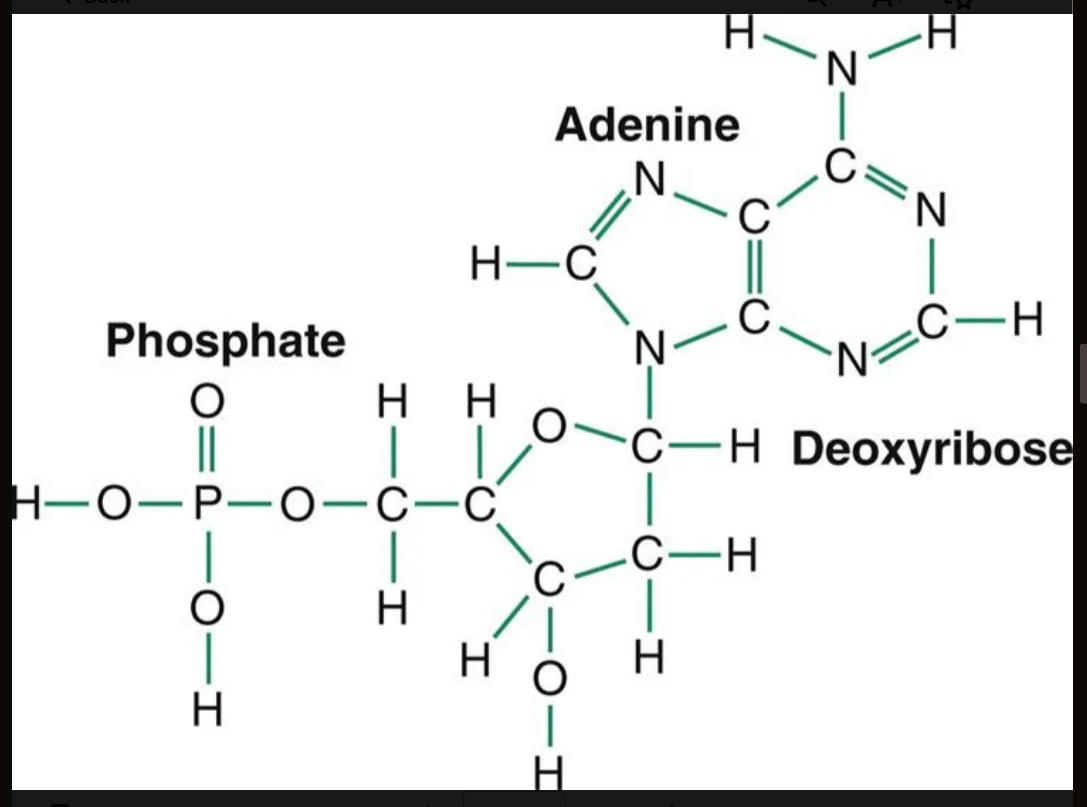
39
assembly of RNA is accomplished under the influence of an enzyme, __________
RNA polymerase
40
a large, immature, single strand of RNA that is processed in the nucleus to form mature messenger RNA (mRNA). The pre-RNA includes two different types of segments, called introns, which are removed by a process called splicing, and exons, which are retained in the final mRNA.
precursor messenger RNA
41
directs the splicing of pre-mRNA to form mRNA.
small nuclear RNA (snRNA)
42
carries the genetic code to the cytoplasm for controlling the type of protein formed.
mRNA
43
transports activated amino acids to the ribosomes to be used in assembling the protein molecule
tRNA
44
along with about 75 different proteins, forms ribosomes, the physical and chemical structures on which protein molecules are actually assembled.
ribosomal RNA
45
single-stranded RNA molecules of 21 to 23 nucleotides that can regulate gene transcription and translation.
miRNAs
46
start codon
AUG
47
stop codons
UAA, UAG, UGA
48
Each amino acid is activated by a chemical process in which ATP combines with the amino acid to form an _____________ complex with the amino acid, giving up two high-energy phosphate bonds in the process.
adenosine monophposphate cpomp;lex (AMP)
49
In this chemical reaction, a hydroxyl radical (OH−) is removed from the ______ portion of the first amino acid, and a hydrogen (H+) of the _______ portion of the other amino acid is removed. These combine to form water, 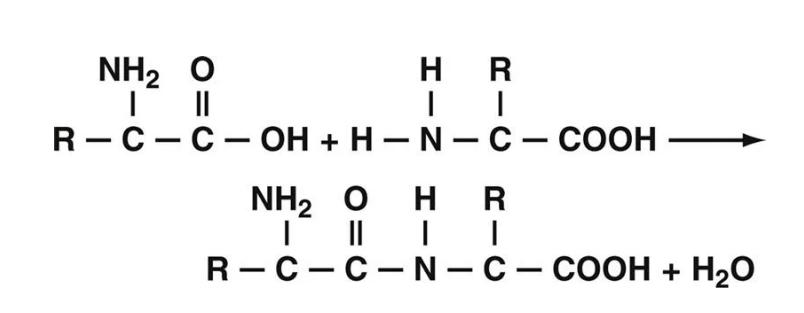
COOH; NH2
50
There are basically two methods whereby cell biochemical activities are controlled:
1) genetic regulation, in which the degrees of gene activation and formation of gene products are controlled, and (2) enzyme regulation, in which the activity levels of already formed enzymes in the cell are controlled.
51
located farther upstream from the transcription start site and contains several binding sites for positive or negative transcription factors that can affect transcription through interactions with proteins bound to the basal promoter.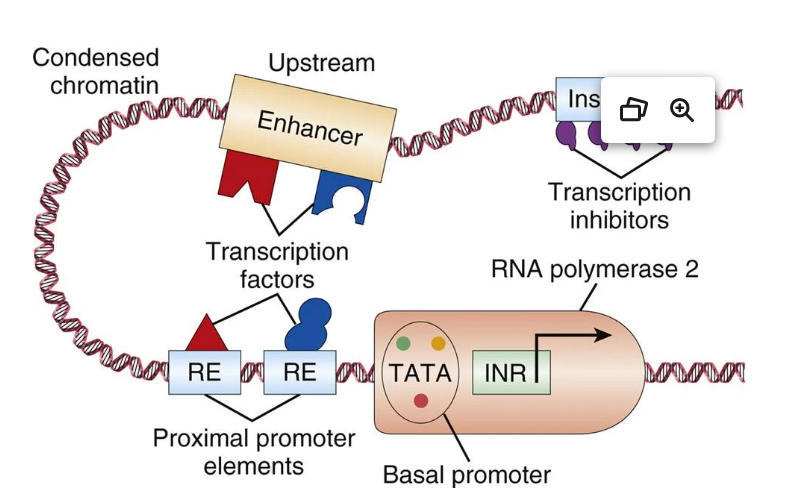
upstream promoter
52
the DNA is wound around small proteins called _______, which in turn are held tightly together in a compacted state by additional proteins.
histones
53
ATP has been depleted in a cell. In this case, a considerable amount of _______ begins to be formed as a breakdown product of ATP. The presence of this ______, in turn, immediately activates the glycogen-splitting enzyme phosphorylase, liberating glucose molecules that are rapidly metabolized, with their energy used for replenishment of the ATP stores.
cAMP
54
Once the DNA strands have been separated, a short piece of RNA called an RNA primer binds to the 3′ end of the leading strand. ________ are generated by the enzyme DNA primase. Primers always bind as the starting point for DNA replication.
RNA primer
55
the enzyme ________ removes the RNA primers from the original strands, and the primers are replaced with appropriate bases.
exonuclease
56
n contrast to programmed death, cells that die as a result of an acute injury usually swell and burst due to loss of cell membrane integrity, a process called cell ___________-
necrosis
57
Apoptosis is initiated by activation of a family of proteases called __________, which are enzymes that are synthesized and stored in the cell as inactive ________
capsases; proocapses
58
normal genes that code for various proteins that control cell adhesion, growth, and division. If mutated or excessively activated, proto-oncogenes can become abnormally functioning oncogenes capable of causing cancer.
proto-oncogenes
59
which suppress the activation of specific oncogenes. Therefore, loss or inactivation of antioncogenes can allow activation of oncogenes that lead to cancer.
tumor supressor genes
60
how can oncoviruses cause camcer (x2)
In the case of DNA viruses, the DNA strand of the virus can insert itself directly into one of the chromosomes, thereby causing a mutation that leads to cancer. In the case of RNA viruses, some of these viruses carry with them an enzyme called reverse transcriptase that causes DNA to be transcribed from the RNA. The transcribed DNA then inserts itself into the animal cell genome, leading to cancer.