Biochemistry S1 U2
Study these flashcardsFree · spaced repetition · iPhone, Android, Mac & web
First 300 of 303 cards
1
water will form bonds with other polar mo;ecules in a solution and almost all the time act as this
solvent
2
a substance that can release hydrogen ions (protons) in a solution
acid
3
a substanc hat can accept hydrogen ions in a solution
base
4
a mixture of an undissociated acid and its conjugate base (the form of the acid that has lost its proton)
buffer
5
when is a buffer most affective
greatest buffering capacity in the pH range near its pKa
6
what is the body's natural buffer mechanism (expiration)(excretion)
excrete NH4+
expire CO2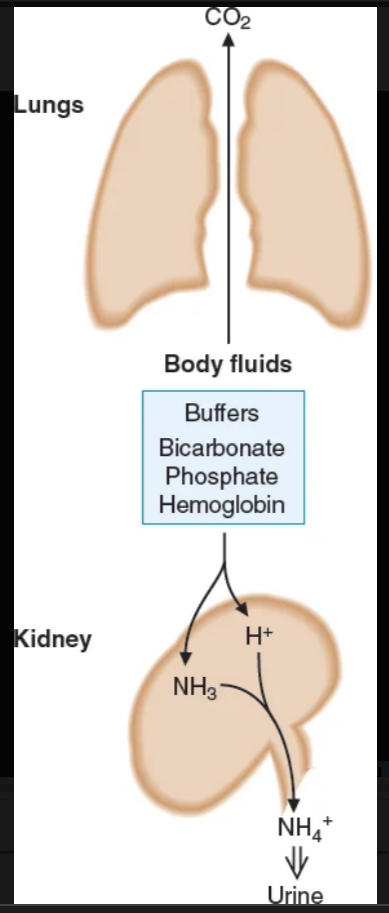
expire CO2
7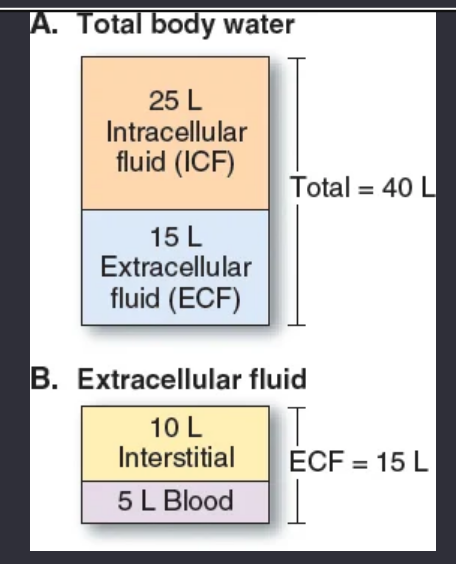
Image occlusion: name the hidden labels
8
Image occlusion: name the hidden labels
9
Image occlusion: name the hidden labels
10
Image occlusion: name the hidden labels
11
Image occlusion: name the hidden labels
12
blood gass analysis: For oxygen, ________________ is used; oxygen diffuses through a membrane specific for oxygen permeability, and once oxygen passes through the membrane it diffuses to the cathode. When oxygen reaches the cathode, electrons are attracted from the anode, thereby reducing the oxygen to water
clark electrode
13
blood gas analysis: pCO2 is determined using a S_________________, which consists of an outer gas-permeable membrane, specific for CO2, and a bicarbonate buffer within the electrode. Once the CO2 crosses the membrane, the gas interacts with bicarbonate, altering the equilibrium among CO2, carbonic acid, and bicarbonate.
Severinghaus electrode
14
water: Its heat of fusion is (high/low), so a large drop in temperature is needed to convert liquid water to the solid state of ice.
hugh
15
a general term applied to bicarbonate and inorganic anions and cations.
electrolytes
16
water will move from a compartment with a ____________ concentration of solutes (lower osmolality) to one with a ____________ concentration to achieve an equal osmolality on both sides of the membrane.
low; high
17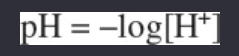
pH equation with H+ ions
18
Acidic solutions have a __________ hydrogen ion concentration and a __________hydroxide ion concentration than pure water (pH < 7.0), and basic solutions have a ____________hydrogen ion concentration and a ____________ hydroxide ion concentration (pH > 7.0).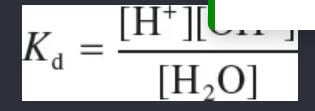
greater; lower
lower; greater
lower; greater
19
increased urine volume
polyruria
20
The tendency of the acid (HA) to dissociate and donate a hydrogen ion to a solution is denoted by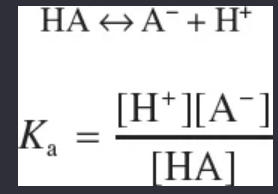
Ka
21
the higher the ______- the reater is the tendency to dissacociate a proton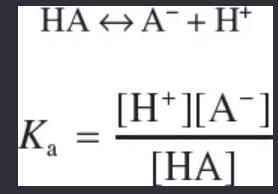
Ka
22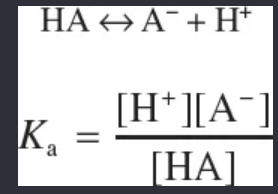
Ka equation
23
strong acid in the body
sulfuric acid (H2SO4)
24
what are the major sources of sulfuirc acid in the body (H2SO4)
dietary sulfate and S- containing amino acids
25
you can see that a weak acid is 50% dissociated at a pH equal to its __________
pKa
26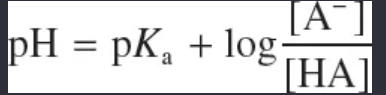
what is the henderson hasselbalch eq for wk acids
27
Buffers allow solutions to resist changes in _____ when hydrogen ions or hydroxide ions are added
pH
28
a buffer can only compensate for an influx or removal of hydrogen ions within approximately __________ pH unit of its pKA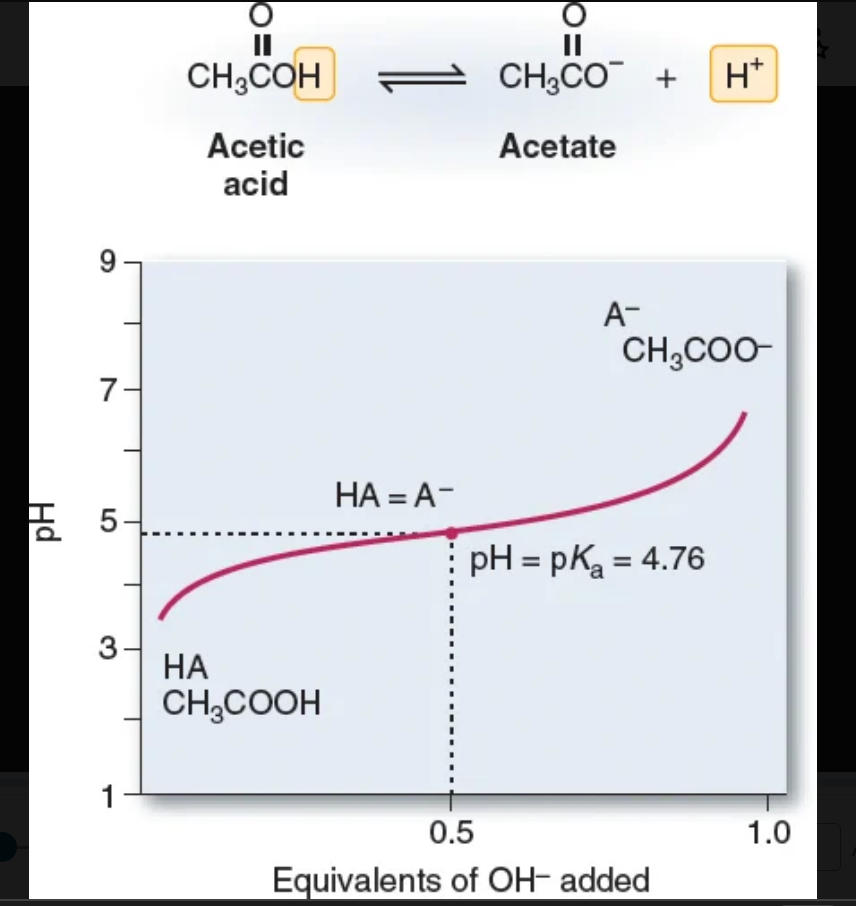
1
29
normal pH range of the body
7.36-7.44
30
intracelllar pH
7.1
31
major buffer systems of the body
bicarbonate–carbonic acid buffer system, which operates principally in ECF; the hemoglobin (Hb) buffer system in red blood cells; the phosphate buffer system in all types of cells; and the protein buffer system of cells and plasma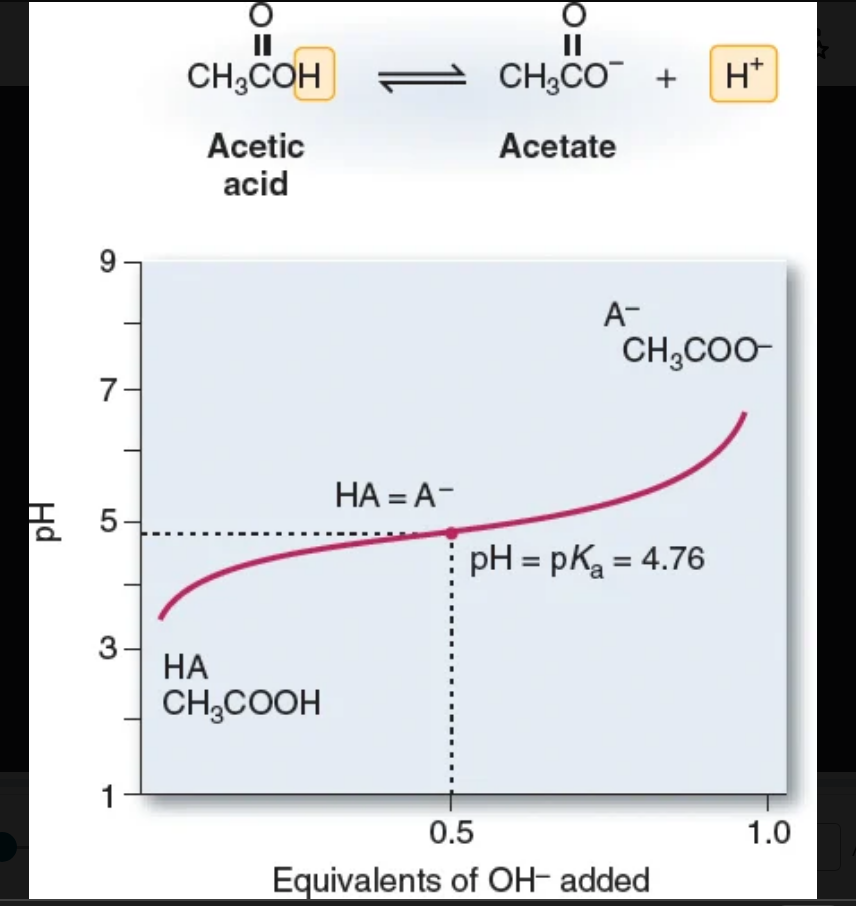
32
major source of metabolic acid in the body
gas CO2, produced principally from fuel oxidation in the tricarboxylic acid (TCA) cycle
33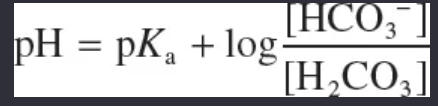
henderson hasselbalch for bicarbonate buffer system
34
Buffering systems of the body: CO2 produced from cellular metabolism is converted to ________________(x2) in the red blood cells. Within the red blood cells, the_______ is buffered by hemoglobin (Hb) and phosphate (HPO42−) (
H+ and bicarbonate; H+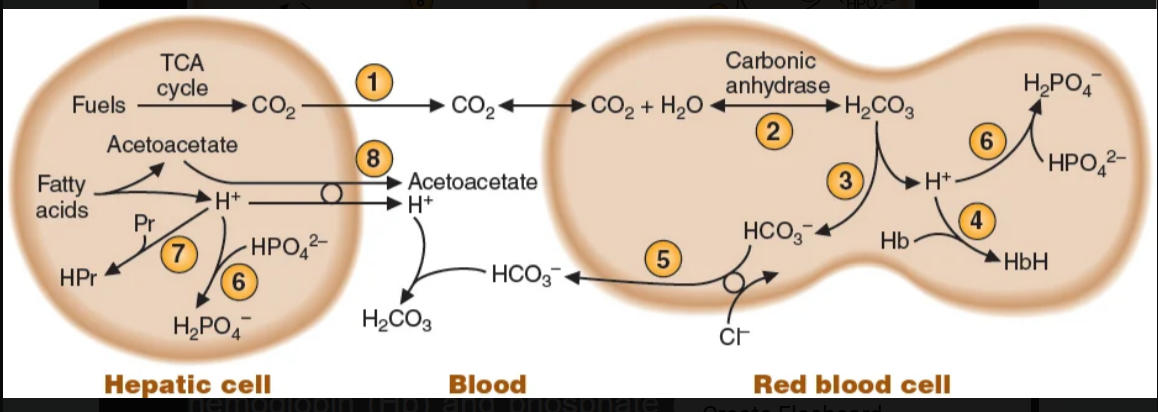
35
occurs when salt and water intake are less than the combined rates of renal plus extrarenal volume loss
dehydration
36
symptoms of moderate dehydration
increased thirst, dry mouth, drowsiness, decreased urine output of a more concentrated (yellow) urine, headache, dry skin, dizziness, and a reduced ability to generate tears.
37
symptoms of severe dehydration
no urine output, inability to walk or stand normally, orthostatic hypotension, rapid heart rate, fever, lethargy or confusion, shock, and even a coma.
38
ketone bodies symthesized in the liver (x2)
β-hydroxybutyrate and acetoacetate
39
branched carbon chain prefix 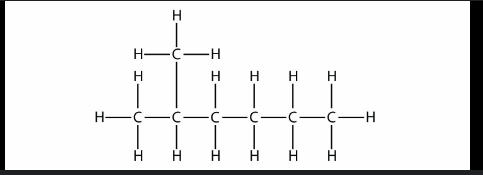
iso
40
another name for a ring group
phenyl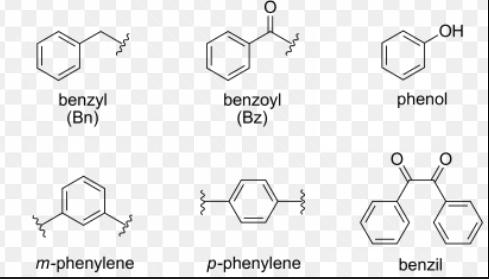
41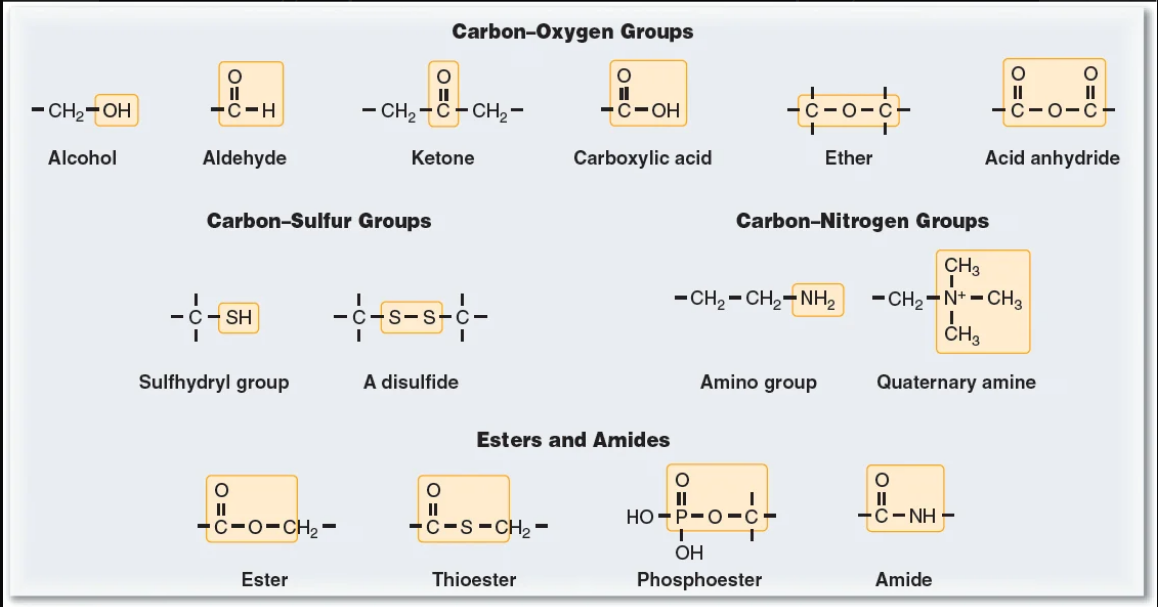
Image occlusion: name the hidden labels
42
Image occlusion: name the hidden labels
43
Image occlusion: name the hidden labels
44
Image occlusion: name the hidden labels
45
Image occlusion: name the hidden labels
46
Image occlusion: name the hidden labels
47
Image occlusion: name the hidden labels
48
Image occlusion: name the hidden labels
49
Image occlusion: name the hidden labels
50
Image occlusion: name the hidden labels
51
Image occlusion: name the hidden labels
52
Image occlusion: name the hidden labels
53
Image occlusion: name the hidden labels
54
Image occlusion: name the hidden labels
55
loss of electrons and results in the loss of hydrogen atoms together with one or two electrons or the gain of an oxygen atom or hydroxyl group.
oxidation
56
the gain of electrons and results in the gain of hydrogen atoms or the loss of an oxygen atom.
reduction
57
at physiological pH, many amines cary (+/-) charge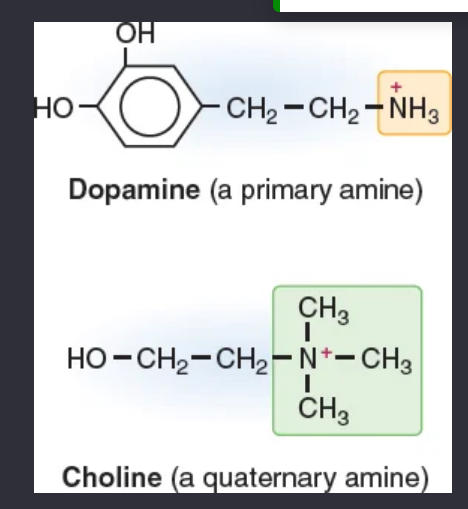
+
58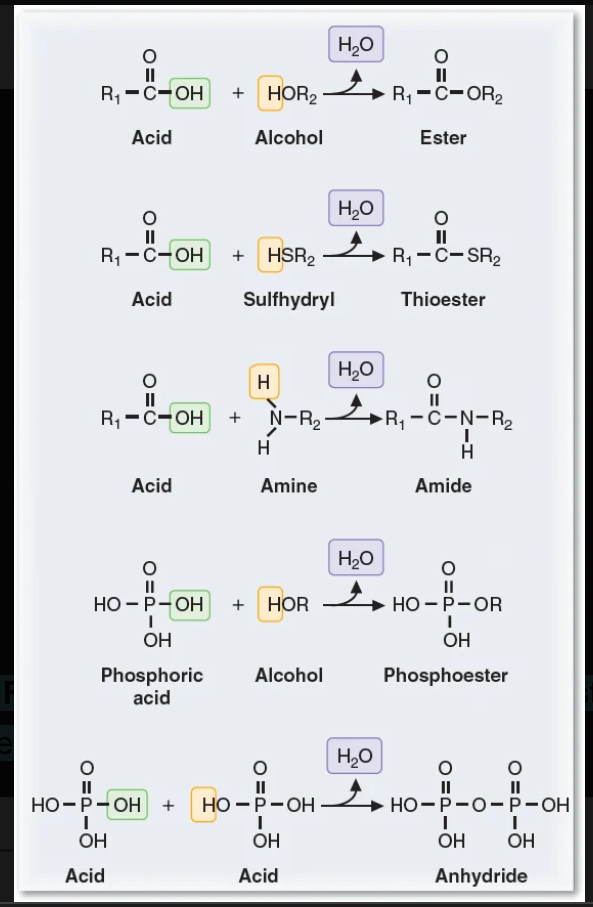
Image occlusion: name the hidden labels
59
Image occlusion: name the hidden labels
60
Image occlusion: name the hidden labels
61
Image occlusion: name the hidden labels
62
Image occlusion: name the hidden labels
63
Image occlusion: name the hidden labels
64
Image occlusion: name the hidden labels
65
Image occlusion: name the hidden labels
66
Image occlusion: name the hidden labels
67
Image occlusion: name the hidden labels
68
sugars assumed to be (D/L) unless specifically added to the name because glucose is this
D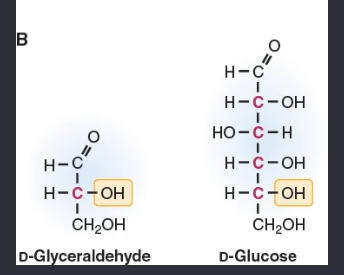
69
have the same chemical formula but differ in the position of the hydroxyl group on one or more of their asymmetric carbons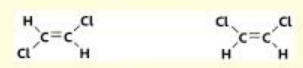
sterioisomers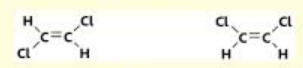
70
sugars wit n asymetric centers have (____) stereoisomers unless it has a plane of symetry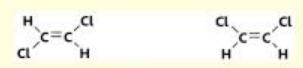
2n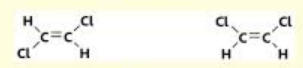
71
stereoisomers that differ in the position of the hydroxyl group at only one of their asymmetric carbons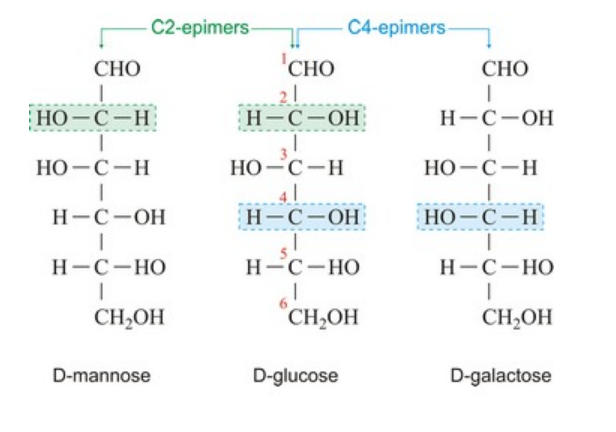
epimers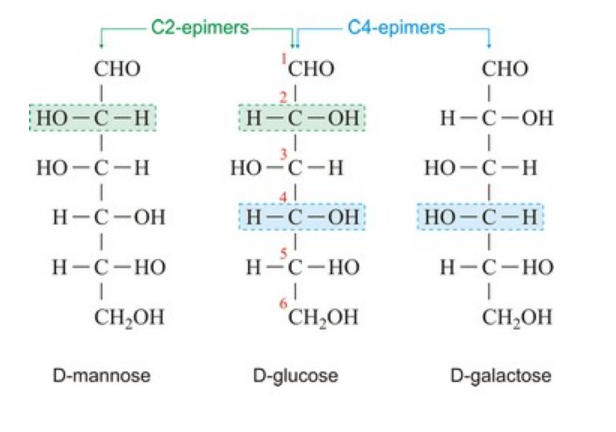
72
sugars can be oxidixed at the aldehyde carbon to form _______
acids
73
if the carbon containing the treminal hydroyl group is oxidixed, the sugar is called...
uronic acid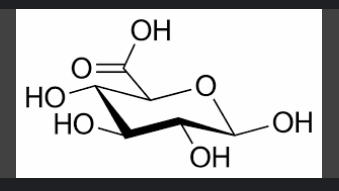
74
glycosidic bonds found in nucleosides and nucleotides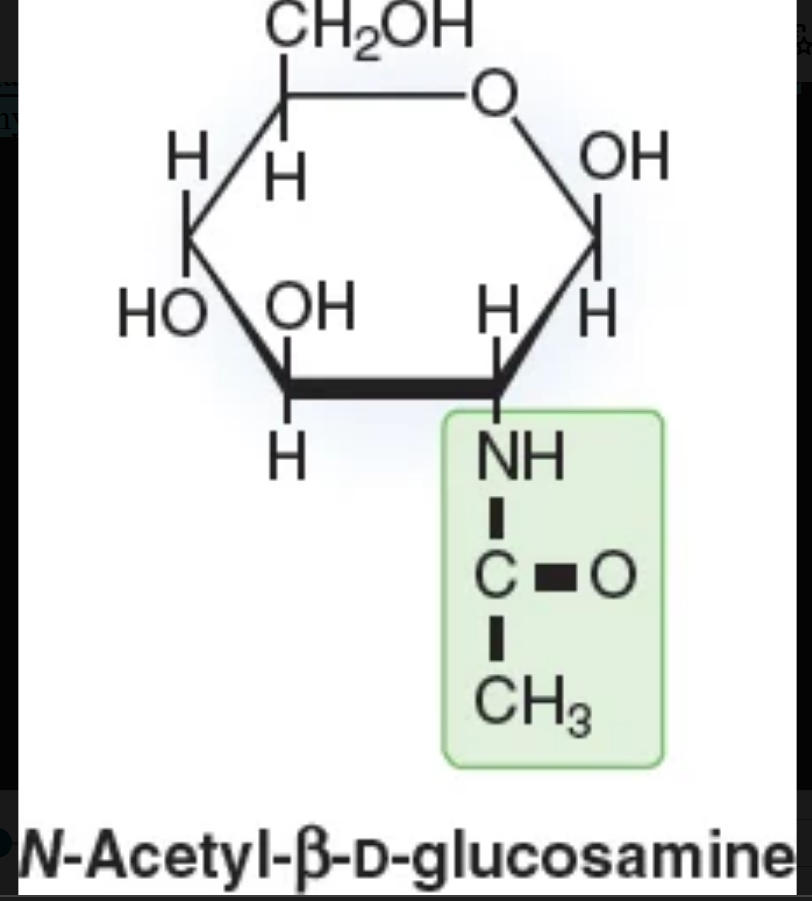
N-glycosidic bonds
75
glycosidic bondids found in lactose and other sugars that join one sugar to another
O-glycosidic bonds
76
usually straight aliphatic chains with a methyl group at one end (called the ω-carbon) and a carboxyl group at the other end
fatty acid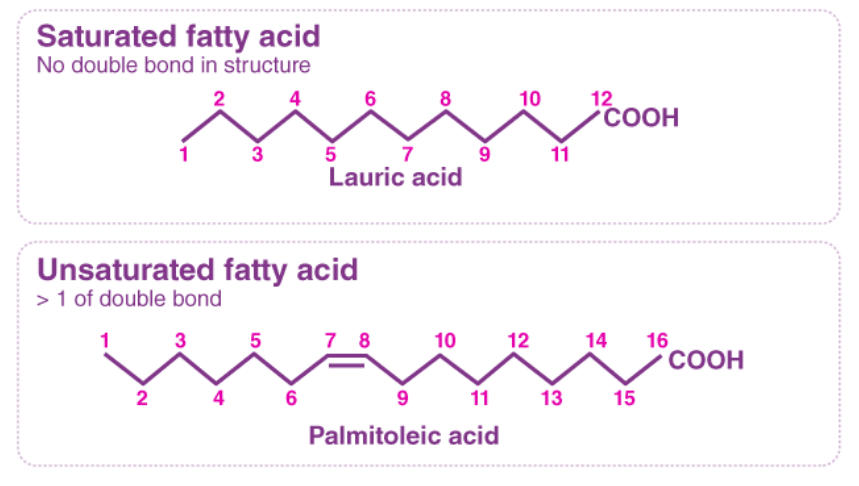
77
usually straight aliphatic chains with a methyl group at one end (called the _-carbon) and a carboxyl group at the other end
w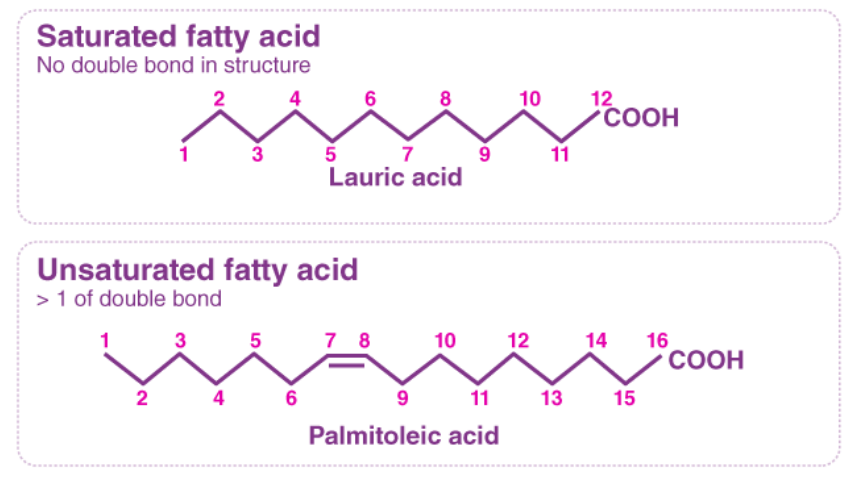
78
fatty acids w have single bonds between the carbons in the chain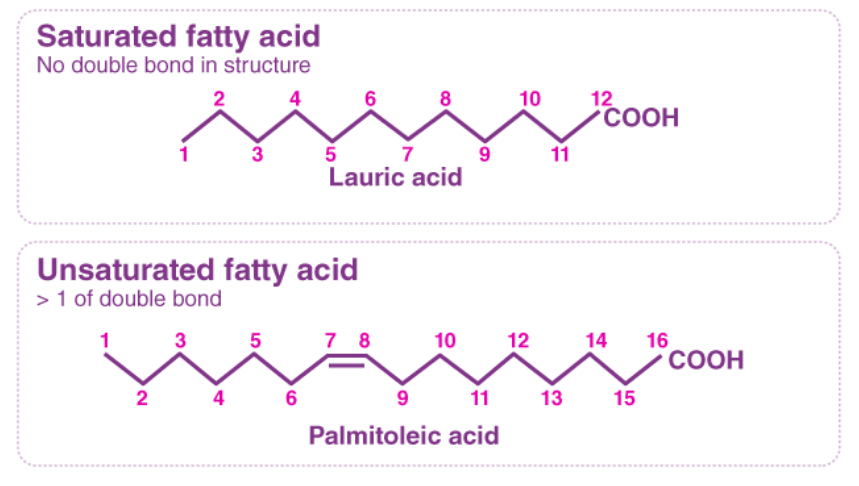
satturated fatty acids
79
fatty acids with one or more double bonds in the chain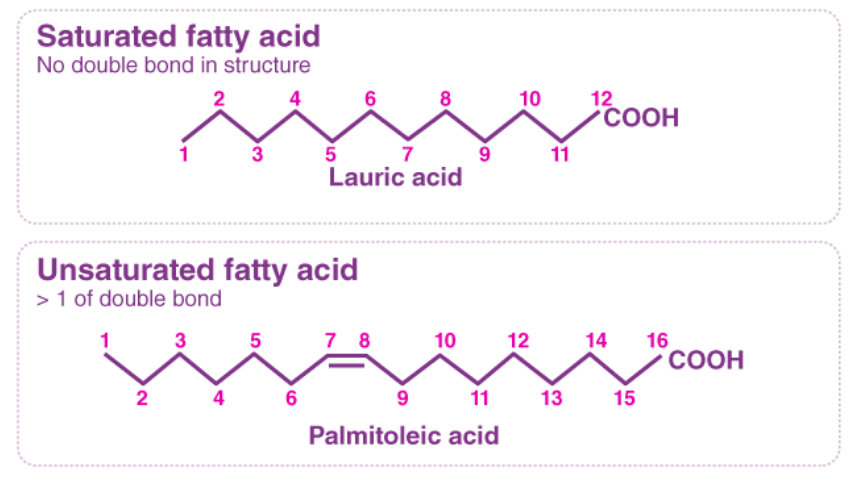
unsatutrated fatty acids
80
most common saturated fatty acids in the cell
palmitic acid (C16) and stearic acid (C18)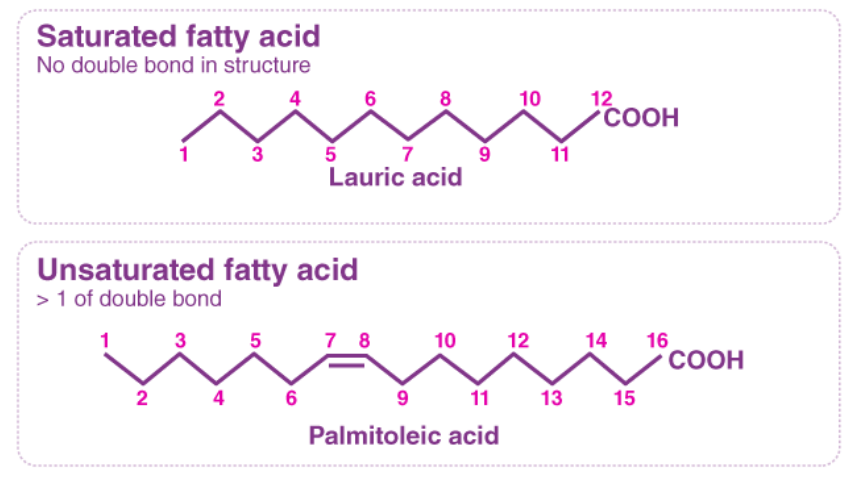
81
Lipids with lower melting points are more __________ at body temperature and contribute to the fluidity of our cellular membranes.
fluid
82
a group of hormone-like compounds produced by many cells in the body. They are derived from polyunsaturated fatty acids such as arachidonic acid that contain 20 carbons (eicosa) and have 3, 4, or 5 double bonds.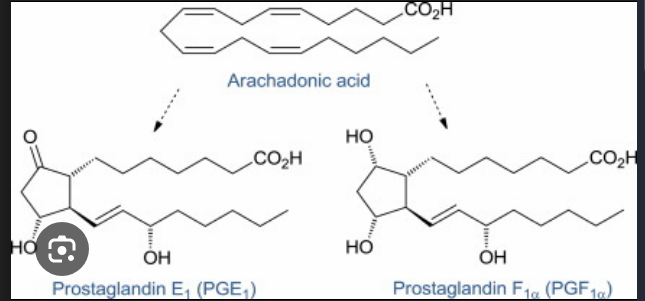
eicosanoids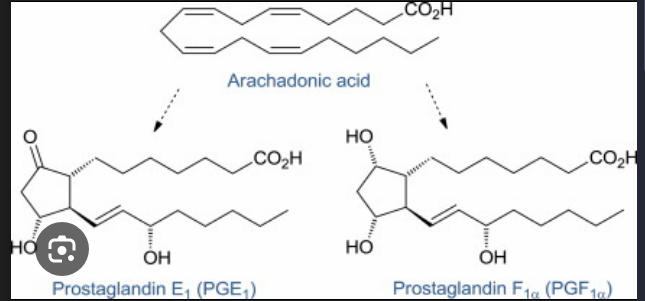
83
comprises glycerol with one or more fatty acids (the acyl group) attached through ester linkages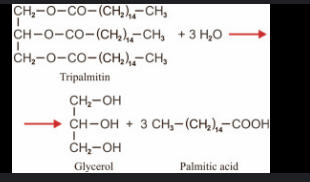
acylglycerol
84
contain fatty acids esterified to positions 1 and 2 of glycerol and a phosphate (alone or with a substituent) attached to carbon 3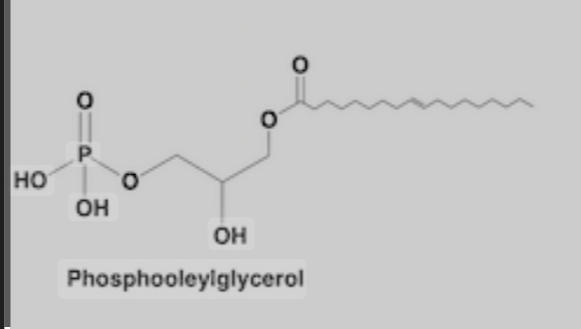
phosphoacylglycerols
85
precursor for the synthesis of the other phosphoacylglycerols.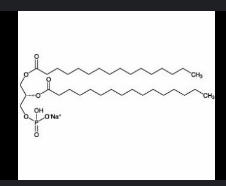
- phophatidic acid
86
a class of lipids in cell membranes that have a backbone of sphingosine and are crucial for structural integrity and cell signaling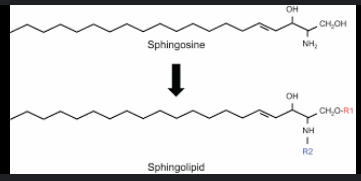
sphingolipids
87
are amides formed from sphingosine by attaching a fatty acid to the amino group.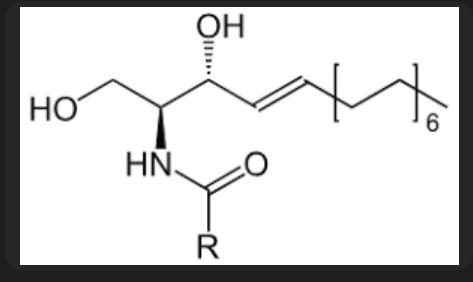
ceramides
88
which contains a phosphorylcholine group attached to ceramide, is a component of cell membranes and the myelin sheath around neurons.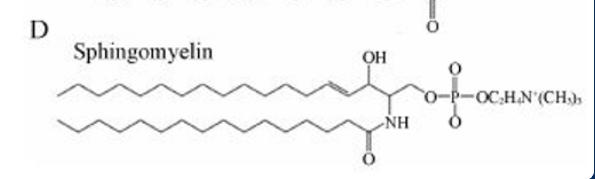
sphingomyelin
89
the steroid precursor in human cells from which all of the steroid hormones are synthesized by modifications to the ring or C-20 side chain.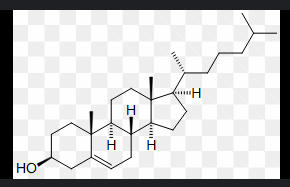
cholesterol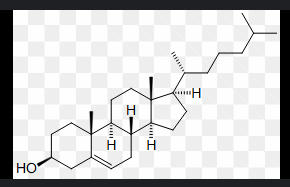
90
compounds that contain an amino group and a carboxylic acid group.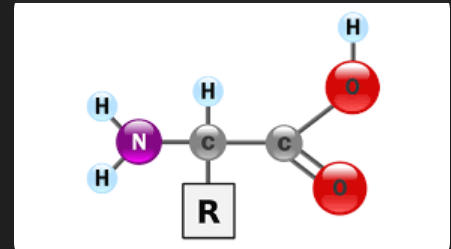
amino acid
91
in prpteins, the amino acids are always _______ amino acids, (the amino group is attached to the α carbon in the L-configuration)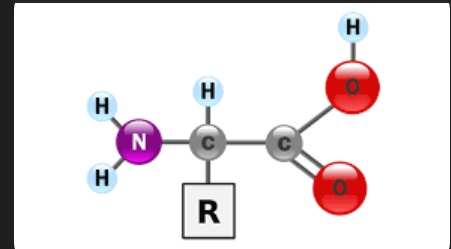
L-alpha
92
pyridines in the body
the vitamins nicotinic acid, also called niacin, and pyridoxine, also called vitamin B6
93
purpose of nitrogen containing ring stuctures
ability of the nitrogen to form hydrogen bonds and to accept and donate electrons while still part of the ring.
94
In many of the nitrogen-containing rings, the hydrogen can shift to produce a ________, a compound in which the hydrogen and double bonds have changed position
tautomer
95
compounds that have a single electron, usually in an outer orbital. Free radicals are radicals that exist independently in a solution or a lipid environment.
radicals
96
are radicals that exist independently in a solution or a lipid environment.
free radcals
97
normal value for anion gap
12 (8to 16)
98
refers to the difference in concentration between routinely measured anions (chloride and bicarbonate) and cations (sodium and potassium) in the blood
anion gap
99
what does exposiure to high levels of DDT cause in humans
reversible neurologic symptoms, hepatotoxic effects, or cancer.
100
what is a method to remove polychlorinated fderiities from the environment
utilize genetically engineered bacteria that can utilize these compounds as a food source and will safely metabolize the toxins.
101
lysosomes contain _____ enzymes that degrade proteins and other large molecules
hydrolytic
102
peroxisomes contain enzymes that use or produce...
hydrogen oerxide
103
receptors that span the membrane and contain an ecxtracellular binding domain for the messenger
plasma membrane receptors
104
receptrors inside rge cell (cytoplasm or nucleus)
intracellular binding protein
105
Uric acid levels in blood or urine can be determined enzymatically through use of the enzyme _________e, which converts uric acid (plus oxygen) to allantoin and hydrogen peroxide
uricase
106
an acquired autoimmune disease in which most patients have developed pathogenic antibodies against these receptors(acetylcholine nictoinic r)
myasthenia gravis
107
The membrane layer facing the “inside” of the organelle or cell is termed the ________t; the other layer is the __________.
innetr leaflet; outer leaflet
108
The principal phospholipids in the membrane are (4)
glycerol lipids phosphatidylcholine (also named lecithin), phosphatidylethanolamine, and phosphatidylserine, and the sphingolipid sphingomyelin
109
wat lipids are more concentrated in the outer leaflet
phosphatidylcholine and sphingomyelin
110
what lipids are more concentrated in the inner leaflet
phosphatidylserine and phosphatidylethanolamine
111
family of proteins, which are bound to the intracellular membrane surface and provide mechanical support for the membrane
spectrin
112
a covalently attached lipid that anchors proteins to the external surface of the membrane
GPI anchor
113
The A, B, and O blood groups are determined by the carbohydrate composition of the _____________ on the surface of red blood cells.
glycolipids
114
Once acetylcholine secretion stops, the message is rapidly terminated by _____________, an enzyme located on the postsynaptic membrane that cleaves acetylcholine
AChE
115
Lipophilic hormones that use intracellular gene-specific transcription factors include
steroid hormones (such as estrogen and cortisol), thyroid hormone, retinoic acid (the active form of vitamin A), and vitamin D
116
how are hydrophobic intracellular signals moved trough the blood
cinnected to a blood bound serum albumin
117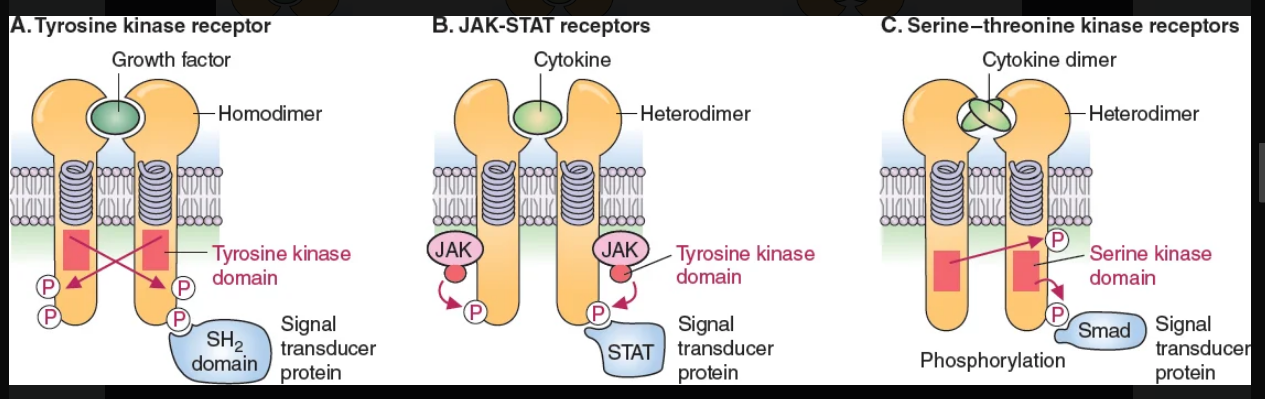
Image occlusion: name the hidden labels
118
Image occlusion: name the hidden labels
119
Image occlusion: name the hidden labels
120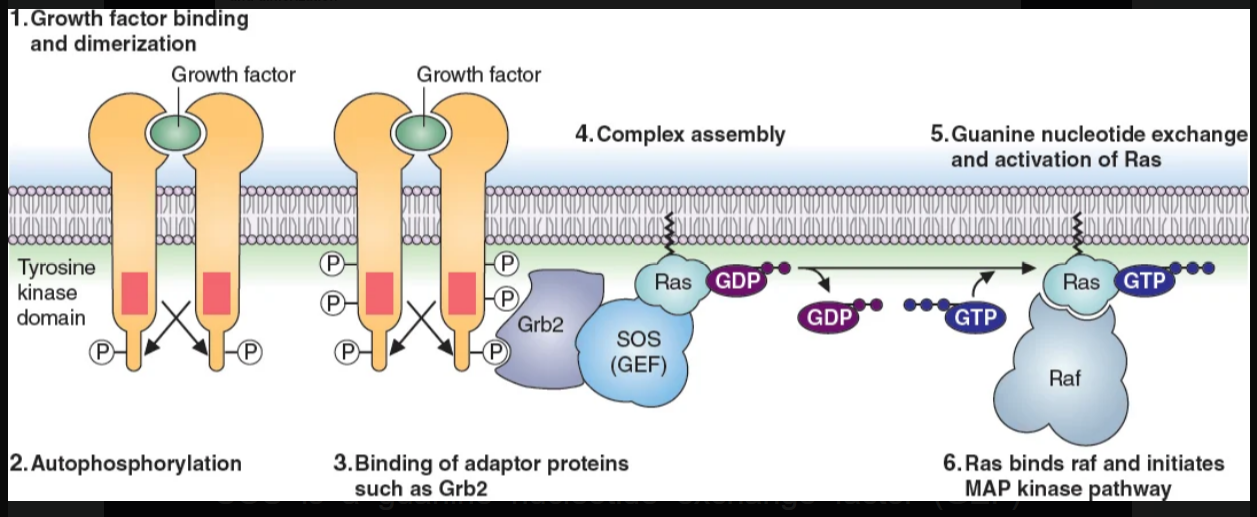
Image occlusion: name the hidden labels
121
Image occlusion: name the hidden labels
122
Image occlusion: name the hidden labels
123
Image occlusion: name the hidden labels
124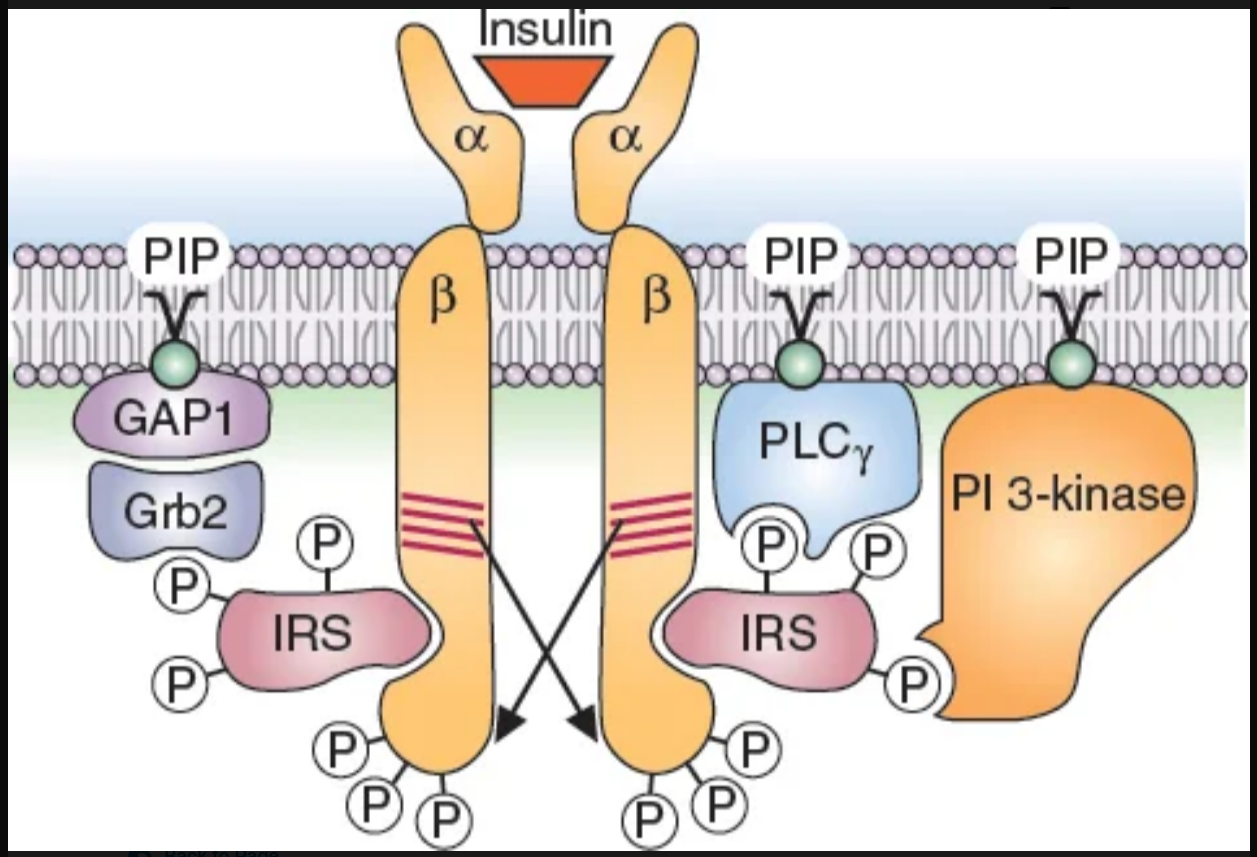
Image occlusion: name the hidden labels
125
Image occlusion: name the hidden labels
126
Image occlusion: name the hidden labels
127
Stimulates adenylyl cyclase
Gas
128
inhibits adenylene cyclase
Gai
129
Stimulates cGMP phosphodiesterase
Gat
130
Activates phospholipase Cβ
Ga(q/11)
131
Activate Rho-GEF (guanine nucleotide exchange factor)
Ga(12/13)
132
arginine pka
12.5
133
asparic acid pka
3.9
134
cystine pkaa
8.3`
135
glutamic acid pka
4.3
136
histidine pka
6
137
lysine pka
10.5
138
serine pka
~13
139
threonine pka
~13
140
tyrosine pka
10.1
141
what determines how a protein can fold and how it interacyts with other molecules in the cell
primary structure
142
what makes up a basic amino acid
carboxylic acid group
amino group attached to the a-carbon in the L-configuration
hydrogen atom
side chain
amino group attached to the a-carbon in the L-configuration
hydrogen atom
side chain
143
at physiological pH, the free amino acids exist as ________: ions in which the amino groip is positively charge and the carboxylate group is negatively charged
zwitterions
144
with chronic hemolusis, the amount of heme degraded to ________ is increased; this is a result of the chronic excretion of excessive amounts of ______- from the liber into the bile, leading to bilrubinate crystal depositions in the gallbladder lumen
bilirubin
145
crushing or compressive pain in the chest area often radiating to the neck or arms
angina pectoris
146
(posititive/negative) hydropathic index, the greater is the tendency to cluster with other nonpolar molecules and exclude water in the hydrophobic effect
positive
147
what amino acid, because of its side chain, causes the least amount if steric hinderence in a protein
glycine
148
glycine
gly G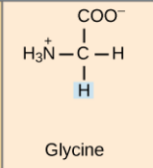
149
alanine
ALA A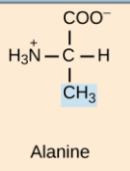
150
valine
val V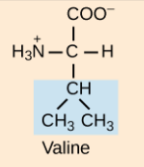
151
leucine
leu L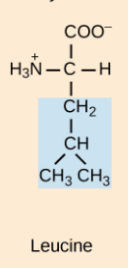
152
Methionine
MET, M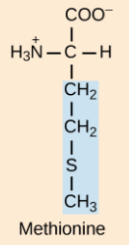
153
Isoleucine
Ile I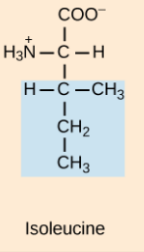
154
Serine
Ser, S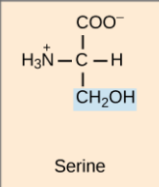
155
Threonine
THR, T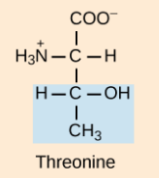
156
Cysteine
Cys, C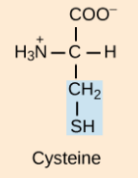
157
Proline
PRO, P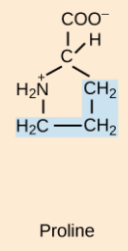
158
Asparagine
asn, N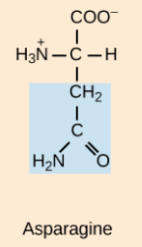
159
Glutamine
gln, Q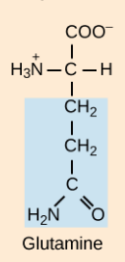
160
Lysine
lys K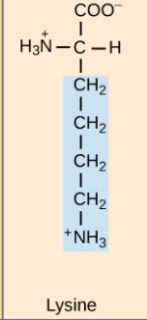
161
arginine
arg R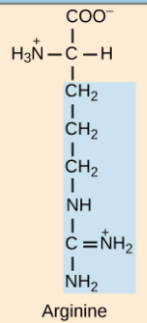
162
histidine
his, h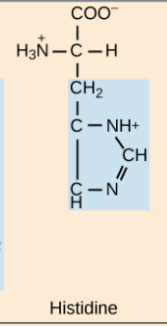
163
aspartate
asp, D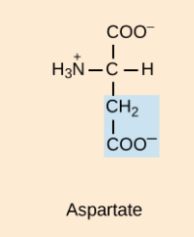
164
glutamate
glu, E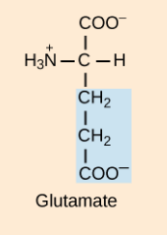
165
phenylalanine
phe, F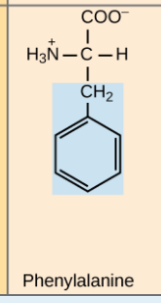
166
tyrosine
tyr, Y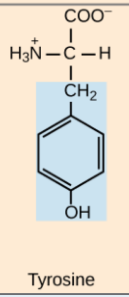
167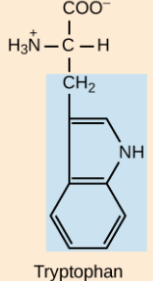
tryptophan
168
The pH at which the net charge on the molecules in solution is zero is called the
isoelectric point (pI)
169
pka COOH
1.8
170
pka NH3
9.3
171
If many different amino acid residues are tolerated at a position, the region is called
hypervariable
172
isoforms of a protein all have the same ______ wjile isoenzymes all ________
function; catalyze the same reactions
173
refers to the addition of carbohydrates to a molecule.
glycosylation
174
what does the mutation in sickle cell anemia affect? (structure)
quaternary structure
175
protein: regions of structure that fold independently.
domains
176
The affinity of a binding site for its ligand is characterized quantitatively by an association or affinity constant
Ka
177
dissociation constant
Kd
178
how do you solve the Kd from Ka?
Kd= 1/Ka
179
enlarged tongue
macroglossia
180
proteins: usually soluble in aqueous medium and resemble irregular balls
globular proteins
181
proteins: geometrically linear, arranged around a single axis, and have a repeating unit structure.
fibrous oroteins
182
proteins: consists of proteins that have one or more regions aligned to cross the lipid membrane
transmembrane proteins
183
protein structure: has a rigid, stable conformation that maximizes hydrogen bonding while staying within the allowed rotation angles of the polypeptide backbone.
alpha helix
184
why cant proline make up an alpha helix
ring structure
185
Parallel sheets tend to have hydrophobic residues on (both/one side) sides of the sheets; antiparallel sheets usually have a hydrophobic side and a hydrophilic side.
both
186
are hytdrogen bonds stronger in parallel or antiparallel beta sheets
parallel
187
structure of LDH domain
typical of globular proteins, which average approximately 31% α-helical structure and approximately 28% β-pleated sheets
188
relatively small arrangements of secondary structure that are recognized in many different proteins.
motifs
189
relatively large patterns of three-dimensional structure that have been recognized in many proteins, including proteins from different branches of the phylogenetic tree.
folds
190
characteristic of actin folds
ATP binding and hydrolysis
191
trasmembrane domain: The amino terminus (residues 1 through 34) extends out of the membrane and has branched high-mannose oligosaccharides linked through N-glycosidic bonds to the amide of ___________
asparagine
192
structure of insulin
two nonidentical polypeptide chains attached to each other through disulfide bonds between the chains
193
pO2 is (high/low), as in the lungs, both myoglobin and hemoglobin are saturated with oxygen.
high
194
at the (low/high) levels of pO2 in oxygen-using tissues, hemoglobin cannot bind oxygen as well as myoglobin
low
195
passes into the urine (myoglobinuria) and turns the urine red because the heme (which is red) remains covalently attached to the protein.
myoglobin
196
tert structure og myoglobin
globin fold: eight α-helices connected by short coils
197
Organic ligands that are tightly bound to proteins, such as the heme of myoglobin, are called
prosthetic groups
198
protein with its attached prosthetic group is called
holoprotein
199
The conformational change of hemoglobin is usually described as changing from a _______ state with low affinity for O2 to a _______ state with a high affinity for O2.
T; R
200
fx 2,3-BPG
inds to hemoglobin in the central cavity formed by the four subunits, increasing the energy required for the conformational changes that facilitate the binding of oxygen.
201
what do protons binding do to hemoglovin
lowers affionity for O2 (Bohr effect)
202
As the pH (decreases/increases)(, the affinity of hemoglobin for oxygen decreases,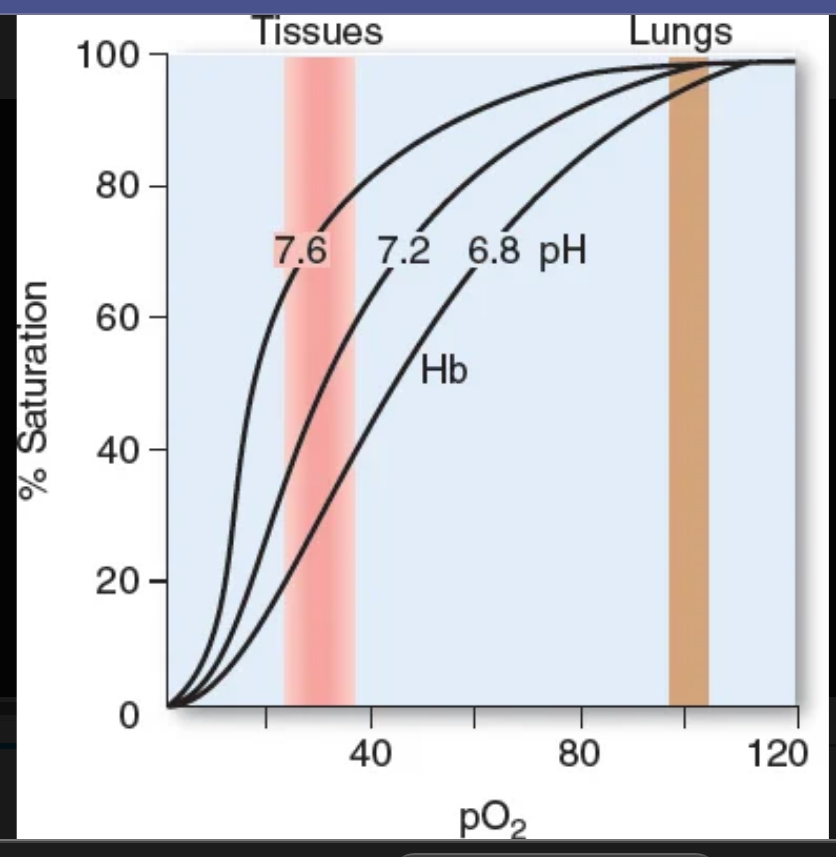
decreases
203
strucxture if immunoglobulins
two identical small polypeptide chains (the light or L chains) and two identical large polypeptide chains (the heavy or H chains)
-chains joined by fdisulfide bonds
-chains joined by fdisulfide bonds
204
antigens: The variable regions of the L and H chains (VL and VH, respectively) interact to produce
antigen binding site
205
what is the kd for antigens?
very small with no tendency to dissacocitate
206
AAs in Collagen (1)
33% glycine and 21% proline and hydroxyproline.
207
Because the reaction is nonenzymatic, the rate of glycation is proportionate to the concentration of glucose present, and individuals with hyperglycemia have much (higher/lower) levels of glycated proteins than individuals with normal blood glucose levels.
higher
208
end product of glycilation reacyions
AGEs
209
an unstable high-energy complex with a strained electronic configuration that is intermediate between substrate and product.
transition state complex
210
a condition in which bonds in the substrate are maximally strained.
transition state
211
enzymes increase rate of reaction by decreasing
activation energy
212
what are the nmost potent inhibitors if ebzymes
transition-state analogs
213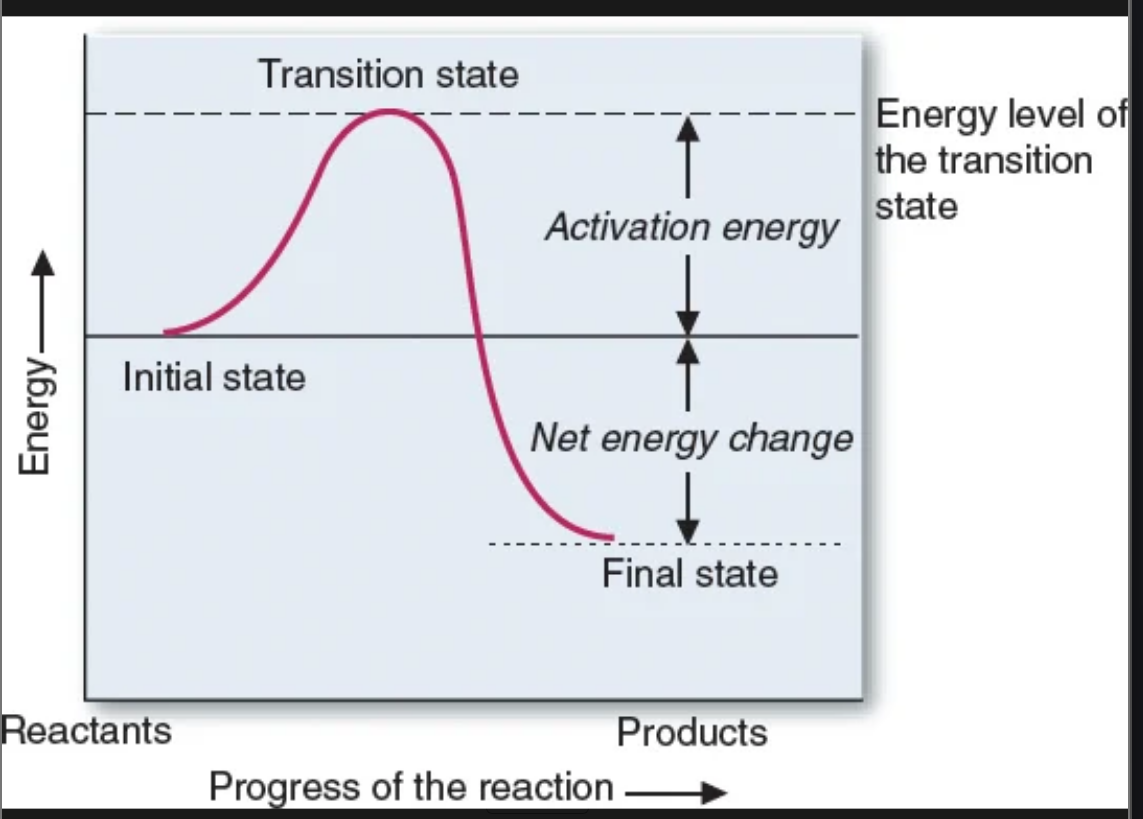
Image occlusion: name the hidden labels
214
Image occlusion: name the hidden labels
215
Image occlusion: name the hidden labels
216
a functional group on the protein either donates a proton (acid catalysis) or accepts a proton (general base catalysis) during the course of the reaction.
acid base catalysis
217
the substrate is covalently linked during the course of the reaction to an amino acid side chain at the active site of the enzyme.
covalent catalysis
218
catalysis by approximation
219
required cofactor for an enzyme usually forms a covalent bond with the substrate during the course of the reaction.
cofactor catalysis
220
these AA can participate in covalent catalysis
Serine, cysteine, lysine, and histidine
221
aa that most often poarticipates in acid based catalysis
histidine
222
usually participate directly in catalysis by forming a covalent bond with a portion of the substrate; the tightly held substrate moiety is then activated for transfer, addition of water, or some other reaction.
activation transfer coenzymes
223
nonprotein organic cofactors that participate in reactions.
coenzymes
224
involved in oxidation–reduction reactions catalyzed by enzymes categorized as oxidoreductases
oxidation reduction coenzymes
225
oxidation–reduction coenzymes that can act as antioxidants and protect against oxygen free-radical injury.
vitamin E and C
226
transfer hydrogen (hydrogen atoms or hydride ions) from the substrate to an electron-accepting coenzyme, such as NAD+.
dehydrogenases
227
how do metal ion catalysts act in reactions
electrophiles
228
optimal human enzyme temp
37C
229
inhibitors mimic or participate in an intermediate step of the catalytic reaction.
-irreversibly bind
-irreversibly bind
mechanism based inhibitirs
230
inhbitrs form covalent or extremely tight bonds with functional groups in the active catalytic site. These functional groups are activated by their interactions with other amino acid residues and are therefore far more likely to be targeted by drugs and toxins than amino acid residues outside the active site.
covalent inhibitirs
231
how does DFP work?
forming a covalent intermediate in the active site of acetylcholinesterase, thereby preventing the enzyme from degrading the neurotransmitter acetylcholine. Once the covalent bond is formed, the inhibition by DFP is essentially irreversible and activity can only be recovered as new enzyme is synthesized.
232
extremely potent and specific inhibitors of enzymes because they bind so much more tightly to the enzyme than do substrates or products. Drugs cannot be designed that precisely mimic the transition state because of its highly unstable structure.
transition state analogs
233
metabolized in the liver to a toxic derivative (malaoxon) that binds to the active-site serine in acetylcholinesterase and other enzymes, an action similar to that of DFP.
malathion
234
a drug used to treat gout, decreases urate production by inhibiting xanthine oxidase.
allopurinol
235
what causes heavy metal tox
tight binding of a metal such as mercury (Hg), lead (Pb), aluminum (Al), or iron (Fe) to a functional group in an enzyme.
236
reaction: at least one substrate gains electrons and becomes reduced, and another substrate loses electrons and becomes oxidized
oxidation reduction recation
237
catalyze group transfer reactions—the transfer of a functional group from one molecule to another.
transferases
238
nitrogen group from an amino acid is donated to an α-keto acid, forming a new amino acid and the α-keto acid corresponding to the donor amino acid.
transaminations
239
C–O, C–N, or C–S bonds are cleaved by the addition of H2O in the form of OH– and H+ to the atoms forming the bond.
hydrolases
240
cleave C–C, C–O, and C–N bonds by means other than hydrolysis or oxidation.
lyases
241
simply rearrange the existing atoms of a molecule; that is, create isomers of the starting material
isomerases
242
synthesize C–C, C–S, C–O, and C–N bonds in reactions coupled to the cleavage of a high-energy phosphate bond in ATP or another nucleotide.
ligases
243
blood clearance rate of etoh per hr
0.5oz/hr
244
ethanol clearance equation
Ethanol + NAD+ → acetaldehyde + NADH + H+
245
the concentration of substrate required to reach ½Vmax.
Km
246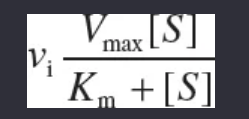
michelis menten equation
247
The approach to the finite limit of Vmax is
saturation kinetics
248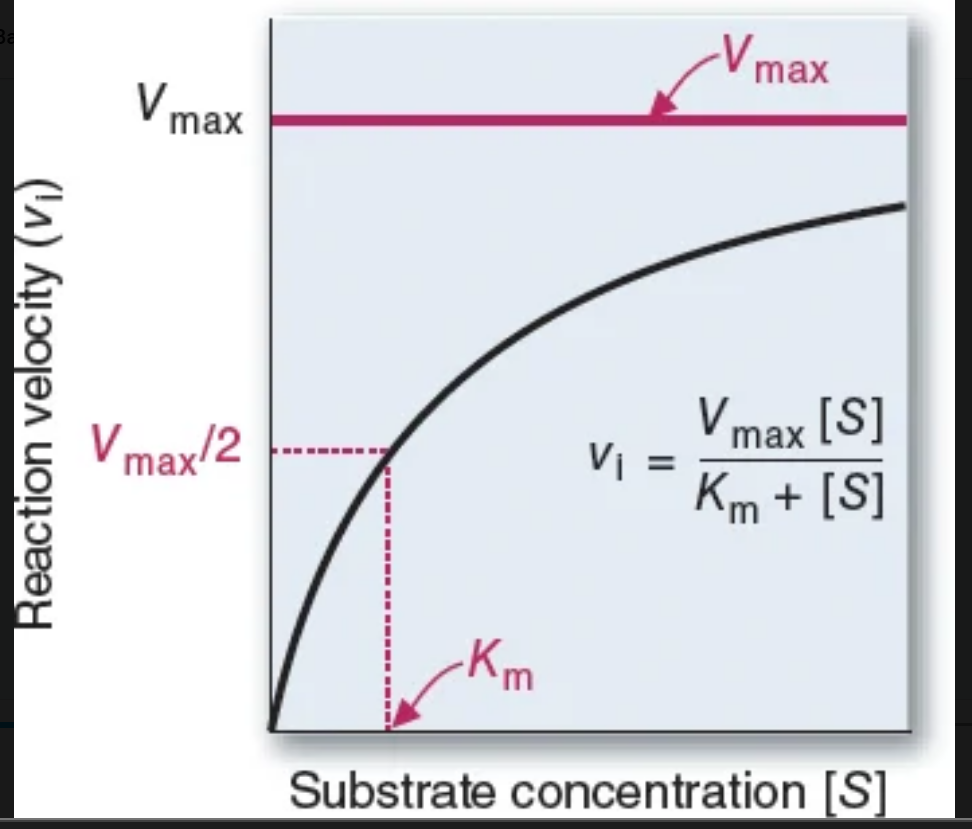
Image occlusion: name the hidden labels
249
Image occlusion: name the hidden labels
250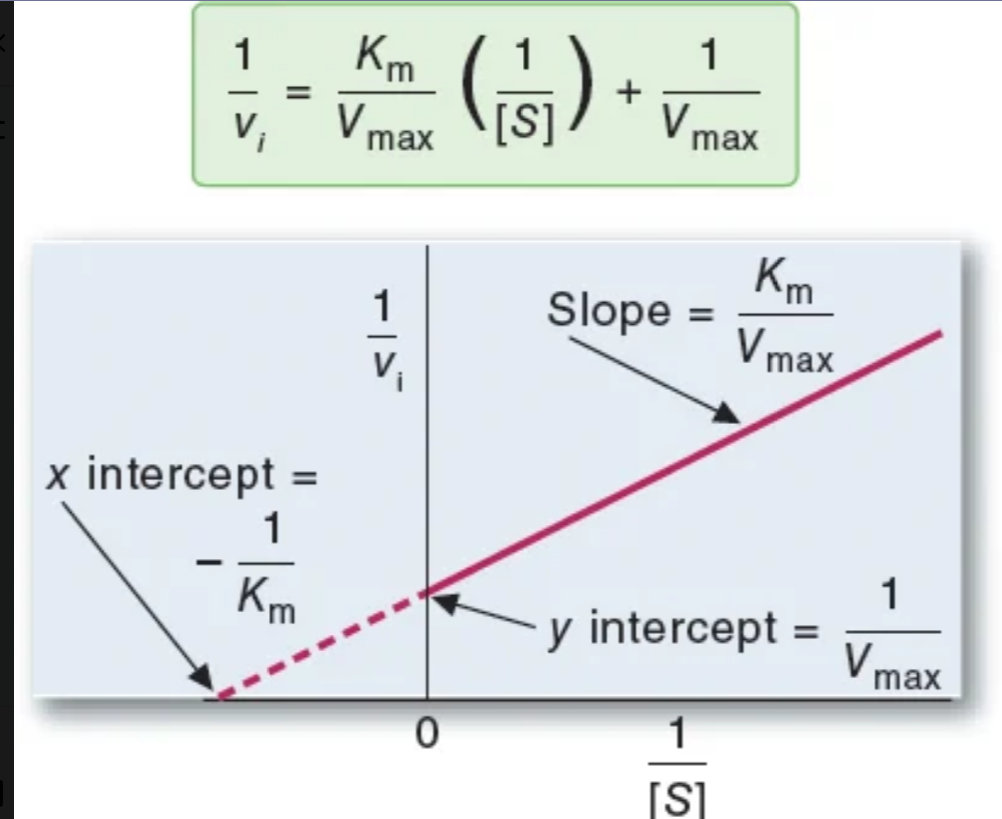
Image occlusion: name the hidden labels
251
Image occlusion: name the hidden labels
252
enzymes that do not fit michaelis meten model
multisubstrate enzymes, enzymes present in a higher concentration than their substrates
253
MEOS makes a greater contribution to ethanol oxidation and clearance from the blood at (high/low) ethanol levels
high
254
“competes” with a substrate for binding at the enzyme’s substrate-recognition site and therefore is usually a close structural analog of the substrate
competitive inhibitr
255
competitive inhibitors effect on Km and vmax
Km incresae; Vmax same
256
noncompetitive inhibitors Vmax and
vmax decreases, km unchanged
257
allosteric modulators
258
activators of allosteric enzymes bind more tightly to the high-affinity _____ state of the enzyme than the ________ state
R; T
259
allosteric inhibitors bind more tightly to the __________ state, so either substrate concentration or activator concentration must be increased to overcome the effects of the allosteric inhibitor.
T
260
what causes the modulation by phosphorlation and dephosphorylation?
conformational change is caused by alterations in ionic interactions and/or hydrogen bond patterns resulting from the presence of the phosphate group.
261
what type of kinase is protein kinase A
serine/threonine protein kinase
262
bind to other proteins and regulate their activity by causing a conformational change at the catalytic site or by blocking the catalytic site (steric hindrance).
modulator proteins
263
increase the rate of GTP hydrolysis by the G-protein, and therefore the rate of dissociation of the G-protein–target protein complex
GAPs
264
binds to a G-protein, it increases the rate of GTP exchange for a bound GDP, and therefore activates the G-protein
GEF protein
265
bind to the GDP–G-protein complex and inhibit dissociation of GDP, thereby keeping the G-protein inactive.
GDI protein
266
the regulatory enzyme, which catalyzes the ___________step in the pathway. This is the slowest step and is usually not readily reversible
rate limiting
267
refers to a situation in which the end product of a pathway controls its own rate of synthesis
feedback regulation
268
may occur through an increased supply of substrate to an enzyme with a high Km, allosteric activation of a rate-limiting enzyme through a compound related to substrate supply, substrate-related induction of gene transcription (e.g., induction of cytochrome P450-2E1 by ethanol), or increased concentration of a hormone that stimulates a storage pathway by controlling enzyme phosphorylation state.
feed forward regulation
269
that is, the number of reactions the enzyme can catalyze per unit time
turnover number
270
deficientr gactor in hemophilia A
plasma factor VIII
271
The hydrostatic pressure in the arteriolar end of the capillaries (~37 mm Hg) exceeds the sum of the tissue pressure (~1 mm Hg) and the osmotic pressure of the plasma proteins (~25 mm Hg). Thus, water tends to _________ the capillaries and enter extravascular spaces.
leave
272
At the venous end of the capillaries, the hydrostatic pressure falls to approximately 17 mm Hg while the osmotic pressure and the tissue pressure remain constant, resulting in movement of fluid _________ from the extravascular (interstitial) spaces and into the blood
back
273
individuals who lack albumin
analbuminemia
274
liver: Binds free fatty acids, calcium, zinc, steroid hormones, copper, bilirubin
albumin
275
liver:
Binds copper; appears to be more important as a copper storage pool than as a transport protein; integrates iron and copper homeostasis
Binds copper; appears to be more important as a copper storage pool than as a transport protein; integrates iron and copper homeostasis
ceruloplasmin
276
liver: binds cortisol
corticosteroid-binding globulin
277
liver:
Binds extracorpuscular heme
Binds extracorpuscular heme
haptoglobin
278
liver: Transport cholesterol and fatty acids
lipoproteins
279
liver: Binds vitamin A
retinol binding proteins
280
liver: Binds estradiol and testosterone
sex hormone-binding globulin
281
liver: Transports iron
transferrin
282
liver: Binds thyroxine (T4); also forms a complex with retinol-binding protein
transthyretin
283
what makes platelets
magakaryocytes
284
Binding to collagen by ______ (integrin α2β1) causes the platelet to change its shape from a flat disk to a spherical cell.
GPIa
285
Binding of subendothelial vWF by _________ causes changes in the platelet membrane that expose GPIIb/IIIa (integrin αIIbβ3)-binding sites to fibrinogen and vWF.
GPIb
286
Mutations in GPIb
-Platelet aggregation is affected because of the inability of GPIb to adhere to subendothelial vWF.
-Platelet aggregation is affected because of the inability of GPIb to adhere to subendothelial vWF.
Bernard Soulier syndrome
287
a disease characterized by the formation in the circulation of microclots (microthrombi) consisting of aggregated platelets
thyrombotic thrombocytopenic purpura (TTP)
288
________ released from the platelets and from damaged red blood cells binds to a receptor on the platelet membrane, which leads to the further unmasking of GPIIb/IIIa-binding sites.
ADP
289
factors VII, XI, IX, X, and prothrombin) are _________- that, when activated by cleavage, cleave the next proenzyme in the cascade.
serine proteases
290
The cofactor proteins (tissue factor, factors V and VIII) serve as ______ for other factors.
binding sites
291
how does warfarin work to compete with VKOR1
The structural similarity allows the compound to compete with vitamin K and prevent γ-carboxylation of glutamate residues in factors II, VII, IX, X, and proteins C and S.
292
Upon binding to the factor Va–platelet complex, prothrombin undergoes a conformational change, rendering it more susceptible to_______
enzamatic cleavage
293
what reduces vitamin K (reaction type
microsomal quinone reductase
294
Antithrombotic effects of thrombin result from its binding to an endothelial cell receptor called
thrombomodulin
295
Protein S anchors the activated protein C complex (APC) to the clot through...
Ca2+/γ-carboxyglutamate binding to platelet phospholipids
296
The APC destroys the active blood coagulation cofactors factor VIIIa and Va by (rxn)
proteolytic cleavage
297
(serine protease inhibitors) are a group of naturally occurring inhibitory proteins that are present in the plasma at high concentration
serpins
298
Fibrinolysis involves the degradation of fibrin in a clot by ___, a serine protease that is formed from its zymogen, _________
plasmin; plasminogen
299
a circulating serum protein that has a high affinity for fibrin, promoting the incorporation of ________ in the developing clot
plasminogen
300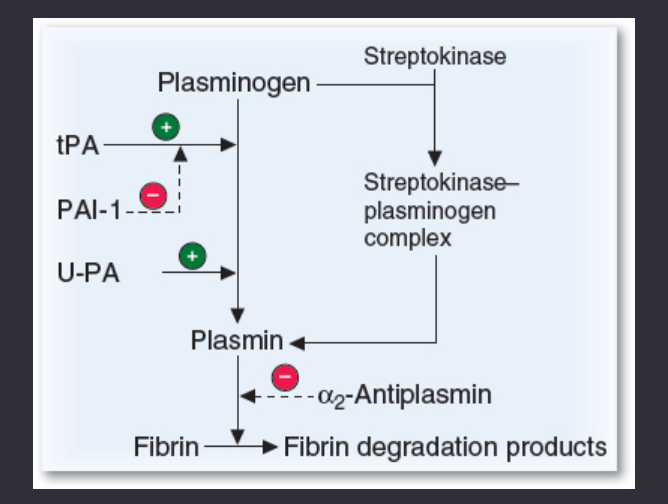
Image occlusion: name the hidden labels
3 more cards in OutLearn. Open the full deck