Lab Quiz 1
Study these flashcardsFree · spaced repetition · iPhone, Android, Mac & web
All cards
1
Briefly describe scientifice method
A. Observe
B. Hypothesis
C. Predict
D. Experiment/observe
E. Conclude
B. Hypothesis
C. Predict
D. Experiment/observe
E. Conclude
2
What is a hypothesis?
an assumption based on observation, made before research
3
what is a theory?
a principle made to describe some sort off phenomena often backed by tested hypotheses
4
Basic Hierarchy of Life
1. atom
2. molecule
3. macromolecule
4. cell
5. tissue
6. organ
7. organ system
8. organism
9. population
10. community
11. ecosystem
12. biosphere
13. universe
2. molecule
3. macromolecule
4. cell
5. tissue
6. organ
7. organ system
8. organism
9. population
10. community
11. ecosystem
12. biosphere
13. universe
5
Hierarchy of Life with description.
1. atom
(protons, neutron, electrons)
2. molecules
(able to do bonding: ionic, covalent, hydrogen)
3. macromolecules
(porteins, lipids, carbohydrates and nucleic acids)
4. cells
(eukaryotic and prokaryotic)
5. tissue
(nervous, muscular, connective, and epithelial)
6. organ
(2 or more tissues with a similar fxn)
7. organ system
(nervous, immune, excretory, lymphatic, skin, reproductive, circulatory, respiratory, digestive, skeletal, muscular, endocrine)
8. organism
(made up of organ systems, individual)
9. population
(one species in an area interbreeding)
10. community
(all species in an area, all biotic factors)
11. ecosystem
(all biotic and abiotic factors in an area)
12. Biome
(earth)
13. universe
(90% hydrogen, 10% helium)
(protons, neutron, electrons)
2. molecules
(able to do bonding: ionic, covalent, hydrogen)
3. macromolecules
(porteins, lipids, carbohydrates and nucleic acids)
4. cells
(eukaryotic and prokaryotic)
5. tissue
(nervous, muscular, connective, and epithelial)
6. organ
(2 or more tissues with a similar fxn)
7. organ system
(nervous, immune, excretory, lymphatic, skin, reproductive, circulatory, respiratory, digestive, skeletal, muscular, endocrine)
8. organism
(made up of organ systems, individual)
9. population
(one species in an area interbreeding)
10. community
(all species in an area, all biotic factors)
11. ecosystem
(all biotic and abiotic factors in an area)
12. Biome
(earth)
13. universe
(90% hydrogen, 10% helium)
6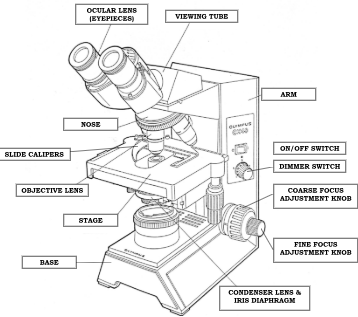
7
How many points are lab quizzes worth?
20 points each, 13 total, for sum of 260 points out of 1800
8
How many points are the three exams?
125 each, total of 375 points out of 1800
9
How many points is the final worth?
175 points
10
How many points are the lab assignments worth?
25 at 10 points each for a total of 250 points out of 1800
11
How many points are the lab practicas worth?
100 points each for 2 so 200 points out of 1800
12
How many points is the oral presentation worth?
75 points
13
How many points are the weekly assignments worth?
365 points out of 1800
14
Evolution
the inherited genetic change over time that ensure survival of a species
15
microevolution
a change in the frequency of alleles in a population over time
16
macroevolution
evolution occuring on a larger scale often over whole taxonomic groups over a long period of time
17
mass extinction
when in a relatively short amount of time a very large amount of species dies out
18
natural selection
the process by which certain individual have more reproductive success due to being better adapted to their environment
19
Charles Darwin's contribution to the theory of evolution.
-genetic variation occurs randomly among members of a species
-individuals traits could be inherited
-more individuals are produced than can survive in an environment
-only favorable traits would survive long-term due to competition
-individuals traits could be inherited
-more individuals are produced than can survive in an environment
-only favorable traits would survive long-term due to competition