Neuro-Wk 1
Study these flashcardsFree · spaced repetition · iPhone, Android, Mac & web
All cards
1
1. What is the study of neuroscience concerned with?
The scientific study of the nervous system, aiming to understand brain structures and mechanisms involved in acquiring and regulating mental functions and skilled actions.
2
3. What does neurology focus on?
The diagnosis and treatment of nervous system disorders.
3
5. What is neuroanatomy concerned with?
The structural framework of the nervous system.
4
10. What is the importance of understanding neuroscience for audiology and speech-language pathology?
It helps to understand the neurological issues underlying communication disorders, provides a basis for diagnosis and treatment, and aids in differentiating normal versus abnormal function.
5
11. Why is clinical neurology knowledge crucial in SLP and audiology?
It helps diagnose and treat communication disorders and understand the neurologic correlates of sensorimotor behaviors.
6
12. What is the importance of interconnectivity in the brain?
The brain is highly connected, with functionally specific sensory and motor brain regions connected through association and commissural fibers, forming an integrated network that processes information from multiple sources.
7
13. What does the centrality of the central nervous system (CNS) mean?
The CNS is the decision-maker, integrating all incoming and outgoing information and analyzing multiple sources simultaneously to generate responses.
8
14. How does the neuraxial organization of the nervous system function?
Lower levels, such as the spinal cord, manage basic functions like reflexes, while higher levels, like the cerebral cortex, handle complex sensorimotor integration and higher mental functions.
9
15. What is the laterality of brain organization?
The brain has bilateral anatomic symmetry but unilateral functional differences, with the left hemisphere primarily responsible for language and analytical thinking and the right hemisphere for emotions, music, and prosody.
10
16. What is contralateral sensorimotor control?
Each hemisphere of the brain controls the opposite side of the body, with fibers crossing at the midline.
11
17. What does functional networking in the brain involve?
Different parts of the brain are organized to perform specific functions, such as sensory and motor processing, which work together in coordinated ways.
12
18. What is topographical organization in the brain?
The brain's sensory and motor systems are arranged in orderly topographic maps representing receptor surfaces or body movements, such as the somatotopic organization of the motor cortex.
13
19. What is tonotopic organization?
The auditory system is organized based on sound frequency, with different frequencies processed in specific areas of the brain.
14
20. What does brain plasticity refer to?
The brain's ability to change and adapt its structure and function in response to learning, experience, or injury.
15
21. What is meant by the culturally neutral brain?
The brain’s functioning is not influenced by personal characteristics like gender, color, or cultural variations, and is judged by the efficiency of information processing.
16
22. What are the major structures of the brain?
Cerebrum, Corpus Callosum, Thalamus, Brainstem (Midbrain, Pons, Medulla), and Cerebellum.
17
23. What is the role of the cerebrum?
It is responsible for higher mental functions, such as thought, memory, and action.
18
24. What is the function of the corpus callosum?
It connects the two hemispheres of the brain and facilitates communication between them.
19
25. What does the thalamus do?
It acts as a relay station for sensory and motor signals to the cerebral cortex.
20
26. What are the components of the brainstem?
The brainstem consists of the midbrain, pons, and medulla, which regulate vital functions like breathing, heart rate, and consciousness.
21
27. What is the role of the cerebellum?
It coordinates balance, motor planning, and voluntary movement.
22
28. What are neurons?
Neurons are the basic functional units of the central nervous system, specialized for communication within the body.
23
29. What are the key characteristics of neurons?
Neurons share the same basic structure but vary in size and shape, and they communicate through electrical and chemical signals.
24
30. What are glial cells?
Glial cells support neurons by regulating fluid levels, removing foreign materials, and maintaining brain metabolism.
25
31. What is the significance of the brain-behavior relationship?
Damage to specific brain areas can lead to distinct behavioral and communicative dysfunctions, such as speech production issues or auditory comprehension difficulties.
26
32. Who are Paul Broca and Carl Wernicke?
Broca identified the link between the frontal lobe and speech production, while Wernicke connected the temporal lobe with auditory comprehension.
27
33. What are common causes of disruptions to brain function?
Vascular issues (e.g., thrombosis), neoplasms (e.g., tumors), degenerative conditions (e.g., cell death), infections (e.g., encephalitis), traumatic brain injuries, and developmental disorders (e.g., autism).
28
34. What are ipsilateral lesions?
Lesions that affect the same side of the body as the brain injury.
29
35. What are contralateral lesions?
Lesions that affect the opposite side of the body relative to the brain injury.
30
36. What are the directional terms used in neuroscience?
Superior (above), inferior (below), anterior (front), posterior (back), medial (middle), lateral (side), rostral (toward the nose), caudal (toward the tail), dorsal (back), and ventral (belly).
31
37. What is the anatomical position?
The body is erect with palms and arms facing forward, and directional terms are based on this position.
32
38. What are the three major body planes?
Sagittal (divides the body into right and left), Coronal (divides the body into front and back), and Transverse (divides the body into upper and lower parts).
33
39. How do anatomical and clinical orientations differ?
In anatomical orientation, the left and right sides correspond to the patient’s left and right, while in clinical orientation, the sides are reversed as if viewed from the patient’s feet.
34
40. What is the significance of the central nervous system (CNS)?
It is the decision-maker for integrating sensory and motor information and generating appropriate responses.
35
41. What is Broca’s aphasia?
A condition characterized by difficulties in speech production due to damage to Broca's area in the frontal lobe.
36
42. What is Wernicke’s aphasia?
A condition where auditory comprehension is impaired due to damage to Wernicke's area in the temporal lobe.
37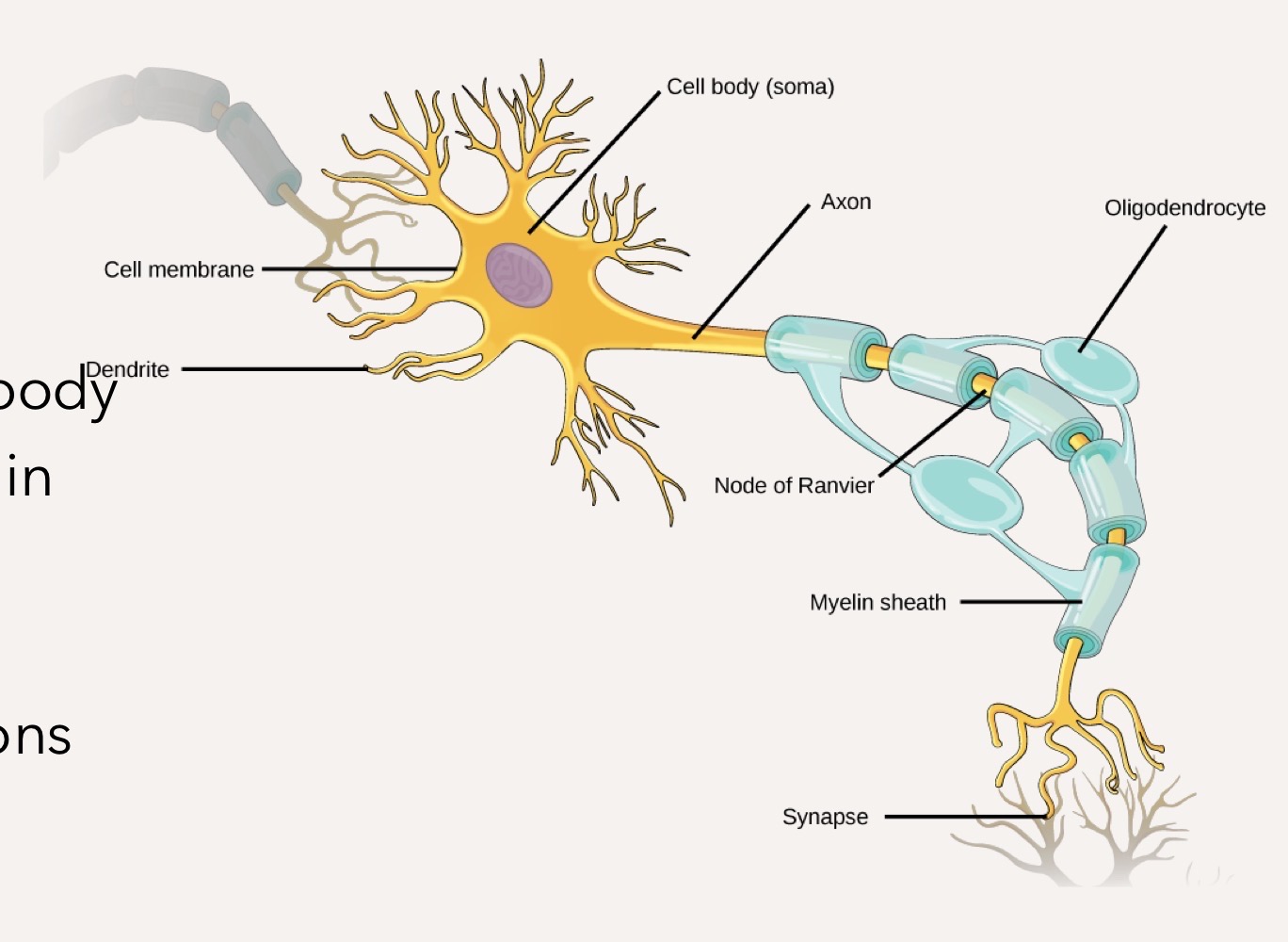
Image occlusion: name the hidden labels
38
Image occlusion: name the hidden labels
39
Image occlusion: name the hidden labels
40
Image occlusion: name the hidden labels
41
Image occlusion: name the hidden labels
42
Image occlusion: name the hidden labels
43
Image occlusion: name the hidden labels
44
Image occlusion: name the hidden labels
45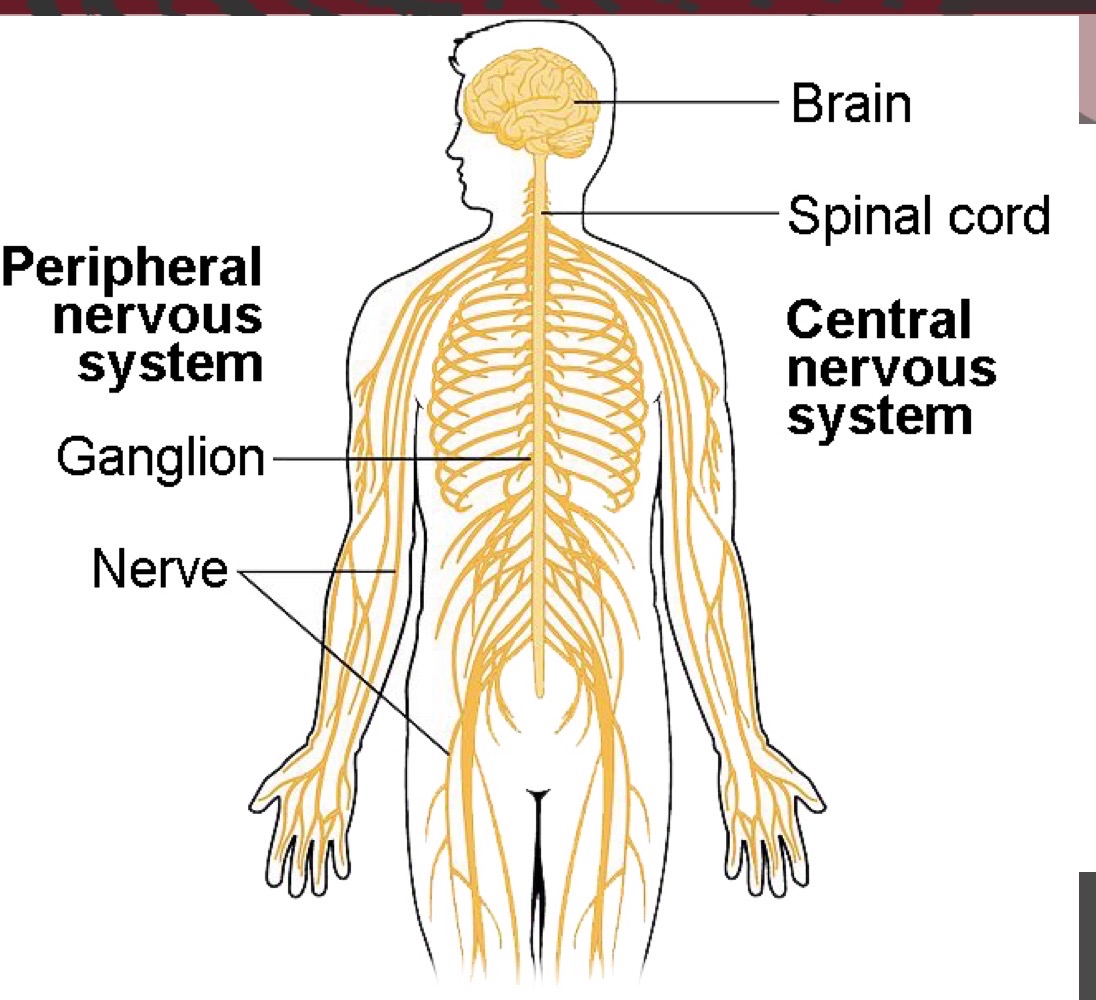
Image occlusion: name the hidden labels
46
Image occlusion: name the hidden labels
47
Image occlusion: name the hidden labels
48
Image occlusion: name the hidden labels
49
Image occlusion: name the hidden labels
50
Image occlusion: name the hidden labels
51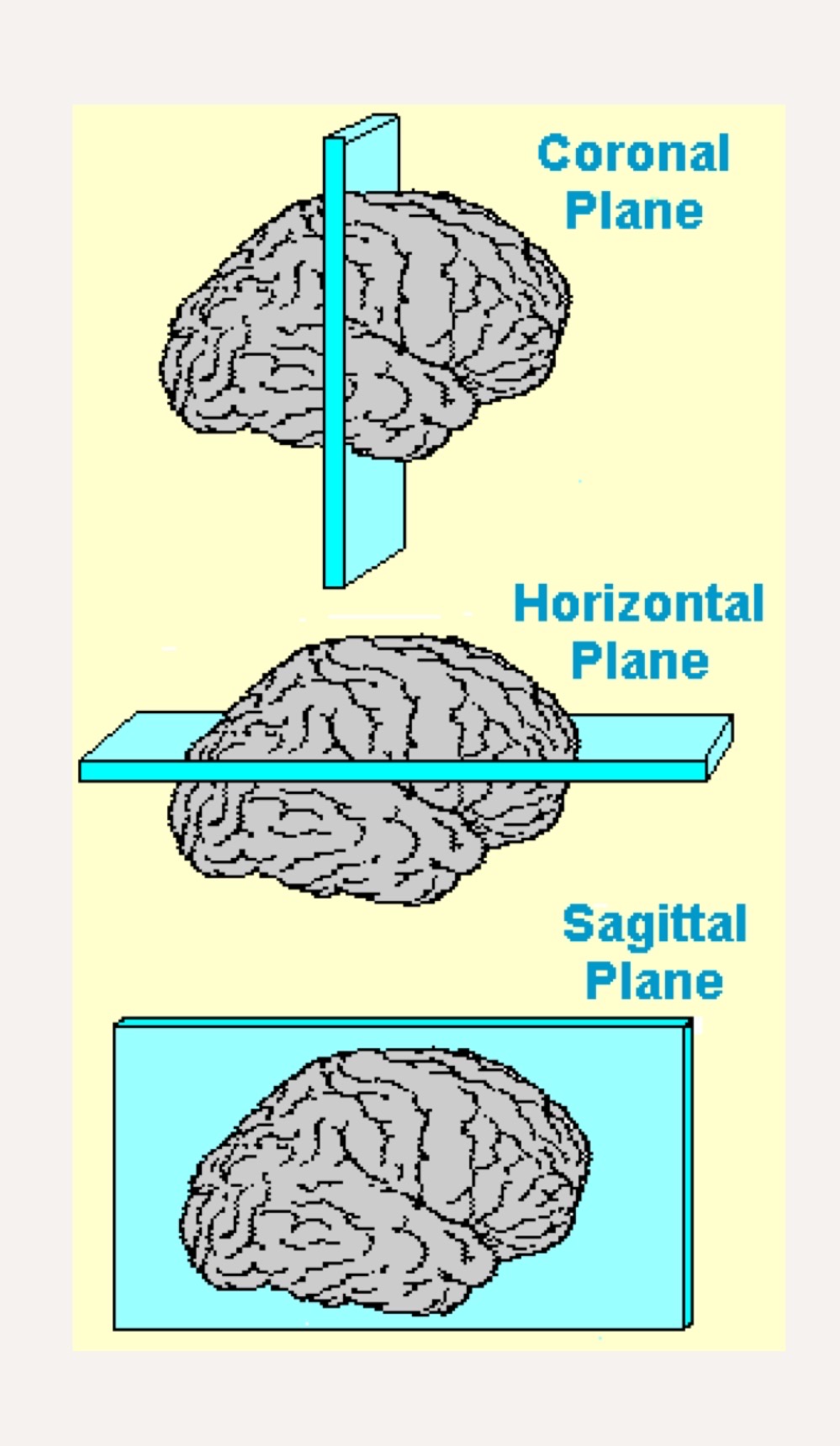
Image occlusion: name the hidden labels
52
Image occlusion: name the hidden labels
53
Image occlusion: name the hidden labels
54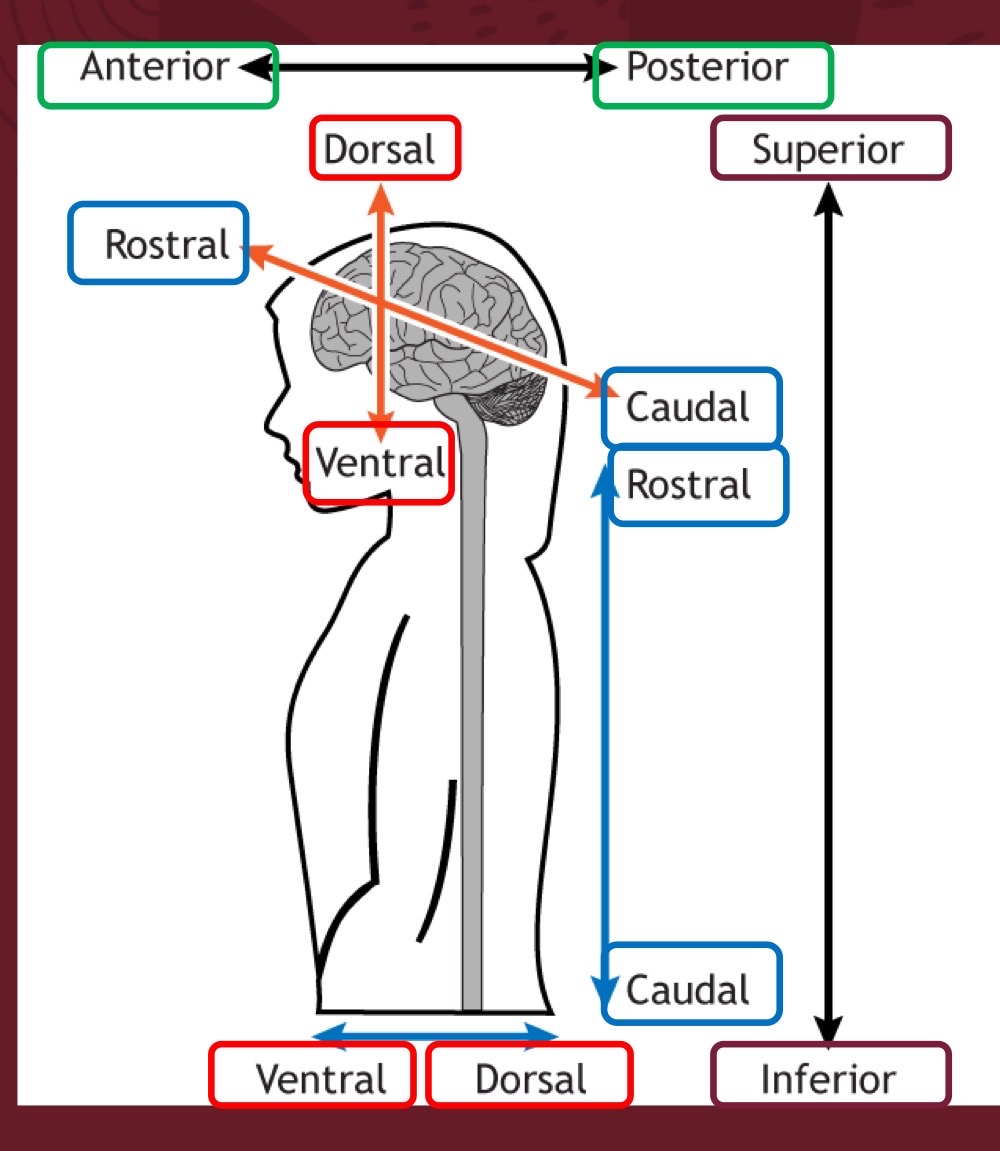
Image occlusion: name the hidden labels
55
Image occlusion: name the hidden labels
56
Image occlusion: name the hidden labels
57
Image occlusion: name the hidden labels
58
Image occlusion: name the hidden labels
59
Image occlusion: name the hidden labels
60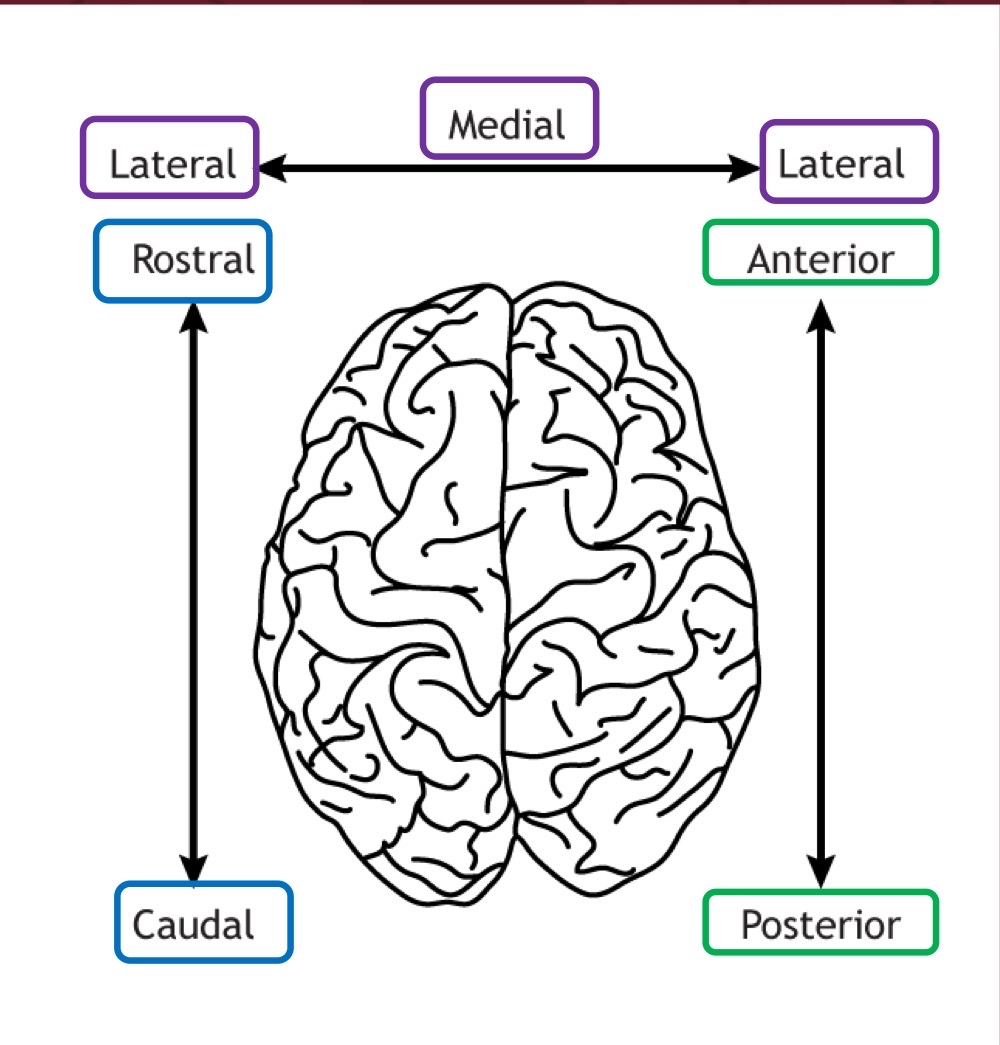
Image occlusion: name the hidden labels
61
Image occlusion: name the hidden labels
62
Image occlusion: name the hidden labels