ACG2021 Chapter 4 (Principles of Financial Accounting)
Diese Karteikarten lernenKostenlos · Spaced Repetition · iPhone, Android, Mac & Web
Alle Karten
1
What financial sttamenst are DIRECTLY based on the adjusted trail balance?
1. Income Statement (Revenue and expense accounts)
2. Statement of Retained Earnings (Dividend account)
3. Balance Sheet (Assent liability and common stock)
*The cash flow statement is npt dorevty based on the adjusted trail balance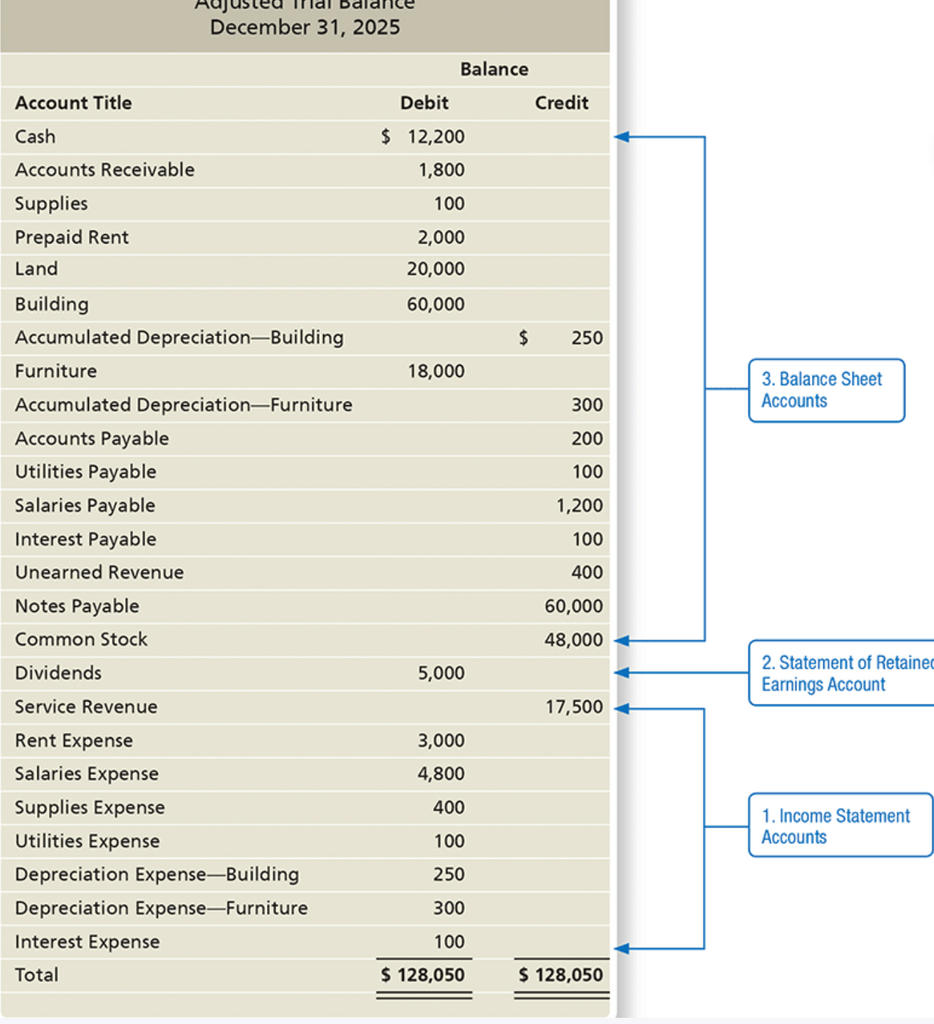
2. Statement of Retained Earnings (Dividend account)
3. Balance Sheet (Assent liability and common stock)
*The cash flow statement is npt dorevty based on the adjusted trail balance
2
Claiffied Balance Sheet
A balance sheet that places each asset and liability into a specific draft
3
How quickly an account can be converted into cash (because cash is the most liquid asset)
Liquidity
How quickly an account can be converted into cash (because cash is the most liquid asset)
4
Assets are categorized by liquidity, sperated by current assets and long-term assets
Current Assets: will be converted to cash, sold, or used up during the next 12 months or within the business’ operating cycle if the cycle is longer than a year.
Long-term Assets: "Long-term assets are all the assets that will not be converted to cash or used up within the business’ operating cycle or one year, whichever is greater."
In the balance sheet, how are assets categorized?
Assets are categorized by liquidity, sperated by current assets and long-term assets
Current Assets: will be converted to cash, sold, or used up during the next 12 months or within the business’ operating cycle if the cycle is longer than a year.
Long-term Assets: "Long-term assets are all the assets that will not be converted to cash or used up within the business’ operating cycle or one year, whichever is greater."
5
Operating Cycle
The operating cycle is the time span when:
1. Cash is used to acquire goods and services.
2. These goods and services are sold to customers.
3. The business collects cash from customers.
*For most businesses, the operating cycle is a few months
1. Cash is used to acquire goods and services.
2. These goods and services are sold to customers.
3. The business collects cash from customers.
*For most businesses, the operating cycle is a few months
6
long-term investments
An investment that the investor intends to hold for longer than a year
7
Intangible assets
An asset with no physical form that is valuable because of the special rights it carries
ex, patents, copy right, trademarks
ex, patents, copy right, trademarks
8
In the balance sheet, how are liabilities categorized?
The balance sheet list liabilites in the order at which they must be paid. They are seprated into Current Liabilties and Long-term Liabilities.
Current liabilities: must be paid with cash, or with goods and services, within one year or within the entity’s operating cycle if the cycle is longer than a year.
Long-term liabilities: are all liabilities that do not need to be paid within one year or within the entity’s operating cycle, whichever is longer.
9
Stockholders’ equity represents
Stockholders’ equity represents the stockholders’ claims to the assets of the business.
10
Land (Property)
Building (Plant)
Equipment
4.Furnitiure
5.Other accounts
What order are proeperty, plant and equi[ment assets on the balance sheet?
Land (Property)
Building (Plant)
Equipment
4.Furnitiure
5.Other accounts
11
Two types of fromats for a balance sheet
Report form: List assets on top and then liabilites and stockholders' equity at the bottom
Account Form: List assets on the left, and liabilites and stockholders' equity on the right
*Both forms are acceptable, but the report form is most popular
Account Form: List assets on the left, and liabilites and stockholders' equity on the right
*Both forms are acceptable, but the report form is most popular
12
Sunburst Chart
A sunburst chart uses a series of rings to correspond to a different level in the hierarchy. Each ring is segmented to show a proportion of the total.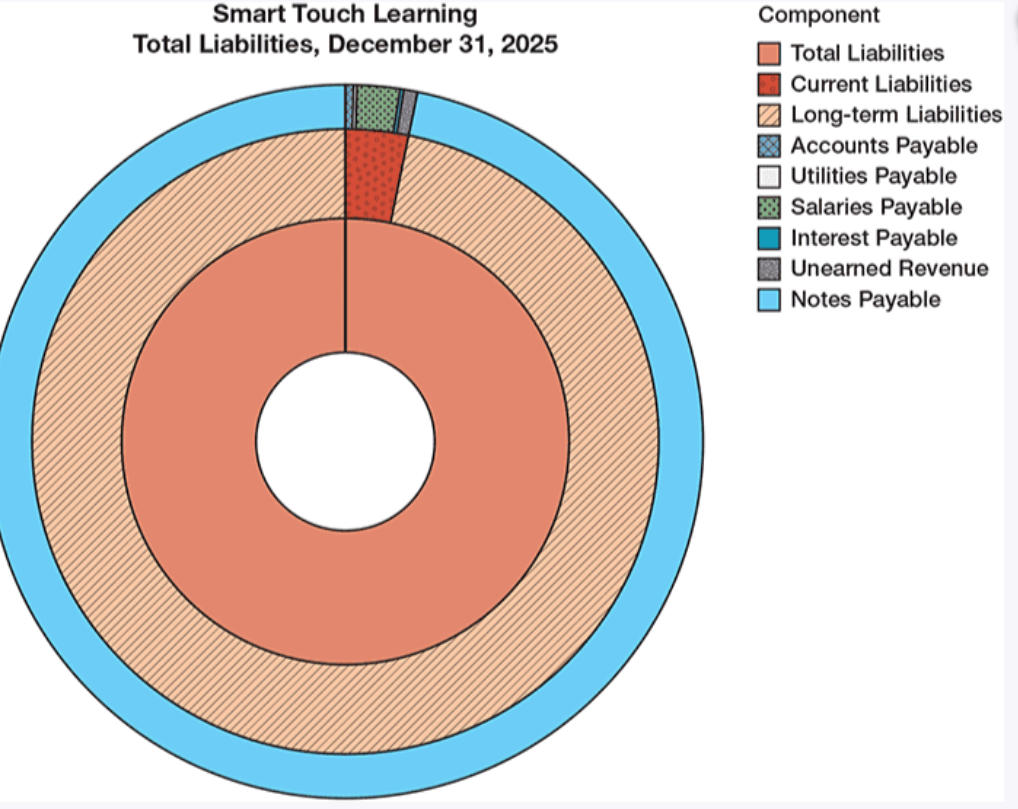
13
Temporary accounts
(also known as nomial accounts)
-An account that realtes to a particulary accounting period, that is closed at the end of that accounting period.
This would include revenue, expenses and dividends with are zeroed (closed) at the end of the accounting period
-An account that realtes to a particulary accounting period, that is closed at the end of that accounting period.
This would include revenue, expenses and dividends with are zeroed (closed) at the end of the accounting period
14
Permanent Accounts
(also known as real accounts)
-These accounts are not closed at the end of the acconting period and their balance continues to the next period.
-These accounts are not closed at the end of the acconting period and their balance continues to the next period.
15
Closing Process
At the end of the accounting period, the revenu, expenses and dividend accounts are zeroed for the next accounting period
16
Revenyes are credited and expenses are debited. It shows wether the it is a Net Income or a Net Loss.
*Appears in the ledger during closing
Income Summary account
Revenyes are credited and expenses are debited. It shows wether the it is a Net Income or a Net Loss.
*Appears in the ledger during closing
17
Closing temporary Accoutnt FULL PROCESS
Step 1:
Step 1:
Step 1: Make the revenue accounts equal zero via the income summary account. (You debit the revenue and credit the income summary account )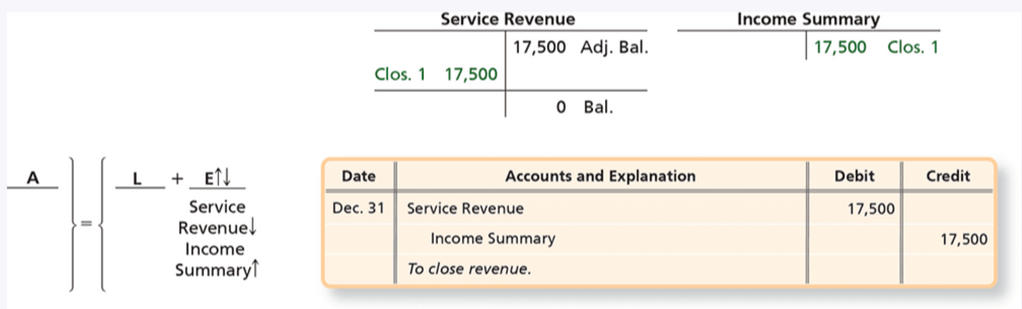
18
Closing temporary Accoutnt FULL PROCESS
Step 2:
Step 2:
Step 2: Make the expense accounts equal zero via the Income Summary Account. (You credit the expense and debit the income summary account)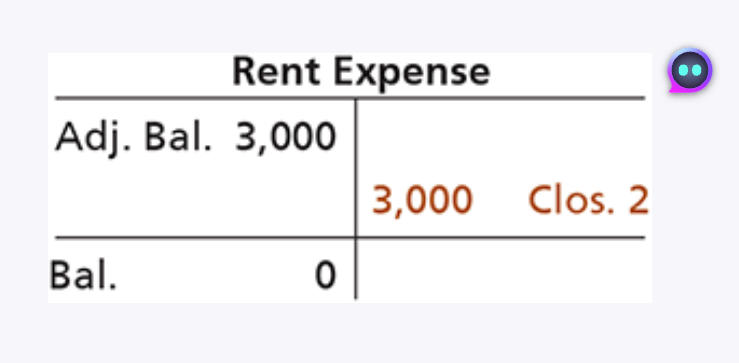
19
Closing temporary Accoutnt FULL PROCESS
Step 3:
Step 3:
Step 3: Make the income summary accoutn equal zero via the Retained Earnings Account.
If the Income summary account has a credit balance (Net Income), then you debit it and credit Retained Earnings.
However, If the Income Summary account had a debit balance (Net Loss), then you do the opposite and credit it and debit (decrease) Retained Earnings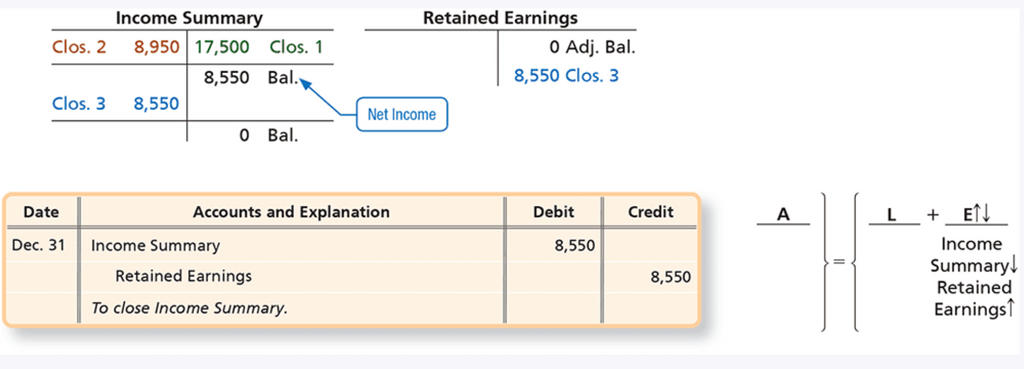
If the Income summary account has a credit balance (Net Income), then you debit it and credit Retained Earnings.
However, If the Income Summary account had a debit balance (Net Loss), then you do the opposite and credit it and debit (decrease) Retained Earnings
20
Step 4: Make the dividend account equal zero via the Retained Earnings account. (You credit the dividend account and debit the retained earnings account)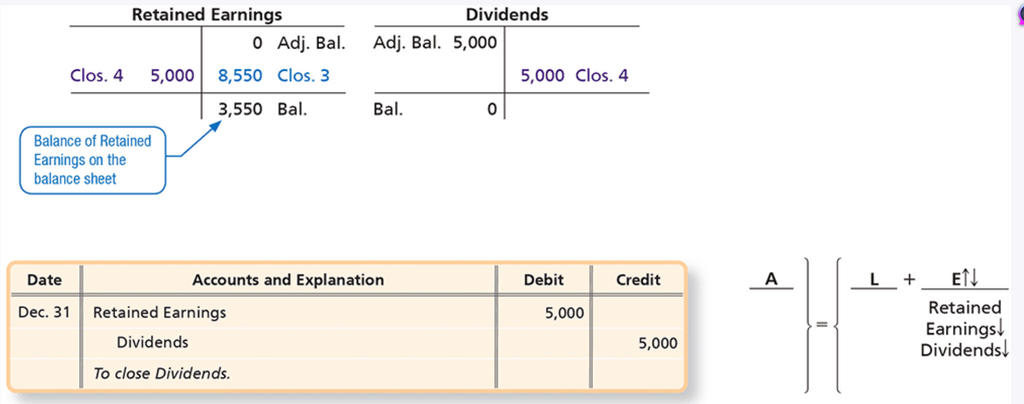
Closing temporary Accoutnt FULL PROCESS
Step 4:
Step 4:
Step 4: Make the dividend account equal zero via the Retained Earnings account. (You credit the dividend account and debit the retained earnings account)
21
Yes
In Computerized systems, are closing entries typically done autoatically?
Yes
22
A list of permant accounts and their balances. This is done at the end of the period after journalizing and posting closing entries.
Tempoeroay accounts do not belong here.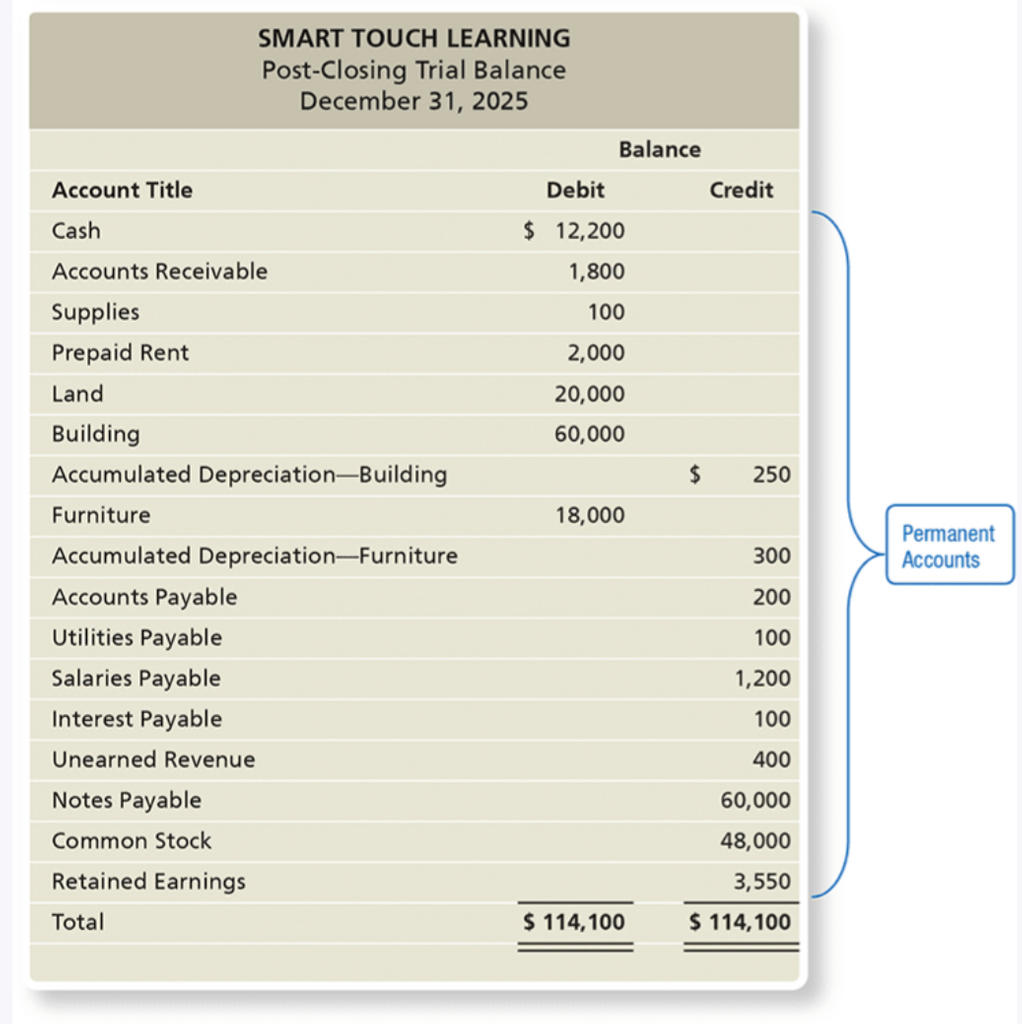
Post-Closing Trail balance
A list of permant accounts and their balances. This is done at the end of the period after journalizing and posting closing entries.
Tempoeroay accounts do not belong here.
23
1. During the period (Steps 1 through 4)—Journalizing transactions, posting to the accounts, and preparing the unadjusted trial balance
2.End of the period (Steps 5 through 9)—Adjusting the accounts, preparing the financial statements, closing the accounts, and preparing the post-closing trial balance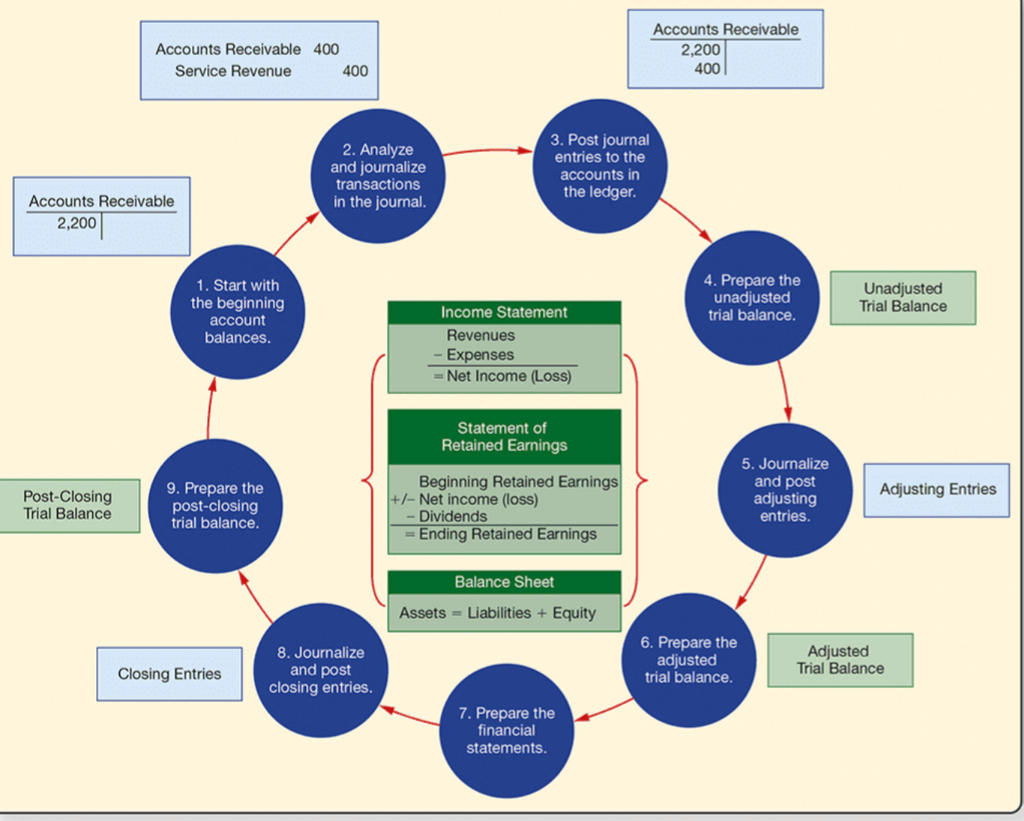
FULL accounting Cycle
*Also, how is the accounting cycle split
*Also, how is the accounting cycle split
1. During the period (Steps 1 through 4)—Journalizing transactions, posting to the accounts, and preparing the unadjusted trial balance
2.End of the period (Steps 5 through 9)—Adjusting the accounts, preparing the financial statements, closing the accounts, and preparing the post-closing trial balance
24
Current Ratio
Current Ratio = Total Current Assets / Total Current Liabilities
*This is used to measure a businesses financial position
*Higher Current Ratio is better since you have more current assets to pay off current liabilities
*This is used to measure a businesses financial position
*Higher Current Ratio is better since you have more current assets to pay off current liabilities
25
Should I assume an 'Accounts Recieveable" & "Accounts Payable" is a current asset 7 liability ?
YES!
26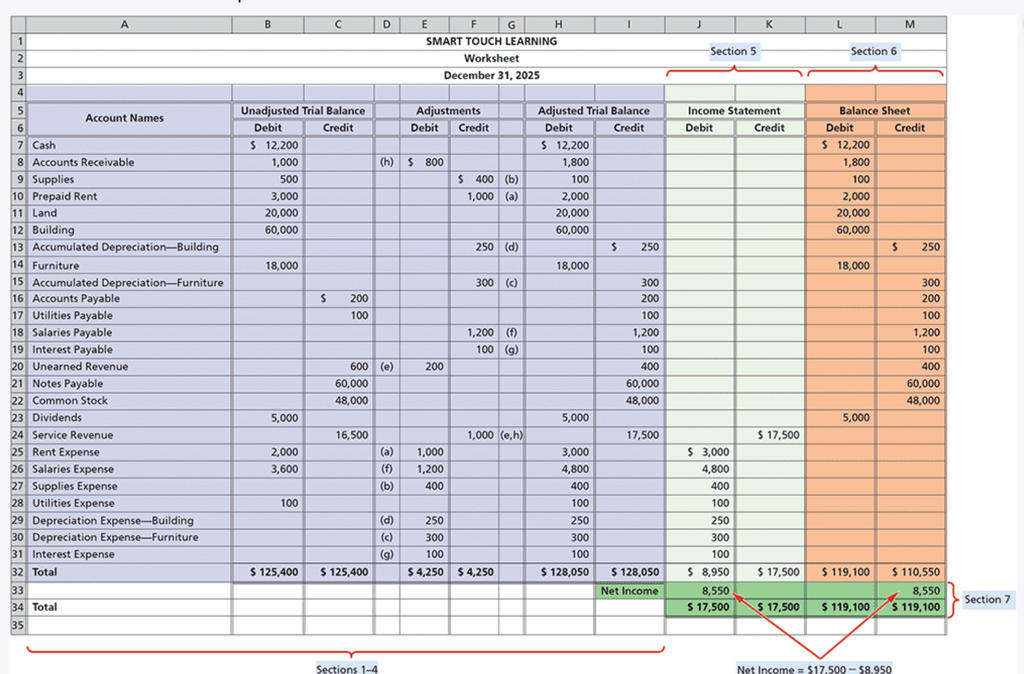
Work Sheet Format
27
Accounts in Share holders equity
-Common Stock
-Retained Earnings
-Retained Earnings
Mehr Karteikarten: Wirtschaft
Introduction to MarketingWirtschaft · EnglischrikishakennedyBusiness Structures: Ltd, PLC and Sole TraderWirtschaft · EnglischdevinaChapter 1 Vocab - Global BusinessWirtschaft · Englischbevo612Chapter 13 Strategy,Structure,InnovationWirtschaft · Englischbevo612CS 422 Q1 YBWirtschaft · EnglischJajitaJPS 302 漢字3 Ch4Wirtschaft · JapanischPunbb + balans + rrWirtschaft · NiederländischAurélieCIMA Management Accounting: Costing BasicsWirtschaft · EnglischEllaMarketing chapters 1-7 Wirtschaft · EnglischDariusHuman Resources: Organisational StructureWirtschaft · EnglischesmeeFinancial Futures: Life InsuranceWirtschaft · EnglischJohnLesson 5: Organizational Innovations: TQM and JIT SystemsWirtschaft · EnglischDion
Lerne diese Decks in der App
Kostenlos auf iPhone, Android, Mac und im Web. Füge jedes Deck mit einem Tipp zu deinem Konto hinzu.

