Bone Marrow Evaluation and Hematopoiesis
Diese Karteikarten lernenKostenlos · Spaced Repetition · iPhone, Android, Mac & Web
Alle Karten
1
What is hematopoiesis?
The process of blood cell formation, primarily occurring in bone marrow.
2
What is extramedullary hematopoiesis?
Blood cell production outside bone marrow, mainly in the spleen and liver.
3
Which bone marrow cell lineages are classified as myeloid?
Granulocytes, monocytes, erythrocytes, and megakaryocytes/platelets.
4
Which lymphoid and supporting cells are found in bone marrow?
B cells, T cells, plasma cells, macrophages, mast cells, osteoclasts, fibrocytes, and adipocytes.
5
Why might a CBC indicate the need for bone marrow evaluation?
It may reveal abnormalities suggesting marrow disease, but cannot always confirm the diagnosis or extent.
6
What is the MOST IMPORTANT indication for bone marrow evaluation? EXAM
Persistent, unexplained hematologic abnormalities, especially cytopenias.
7
What type of anemia commonly indicates bone marrow evaluation? EXAM
Persistent, unexplained nonregenerative anemia; marrow can also assess erythroid regeneration in horses.
8
Which isolated leukocyte or platelet abnormalities may indicate bone marrow evaluation? EXAM
Unexplained neutropenia without a left shift or persistent thrombocytopenia.
9
What are bicytopenia and pancytopenia? EXAM
Bicytopenia is decreased counts in two blood cell lines; pancytopenia affects all three major lines.
10
Which unexplained increases in blood cell counts may indicate bone marrow evaluation?
Persistent or extreme increases in WBCs, RBCs, or platelets.
11
Why are circulating unclassifiable or atypical cells an indication for marrow evaluation?
They may indicate primary hematopoietic neoplasia, especially without enlarged lymphoid organs.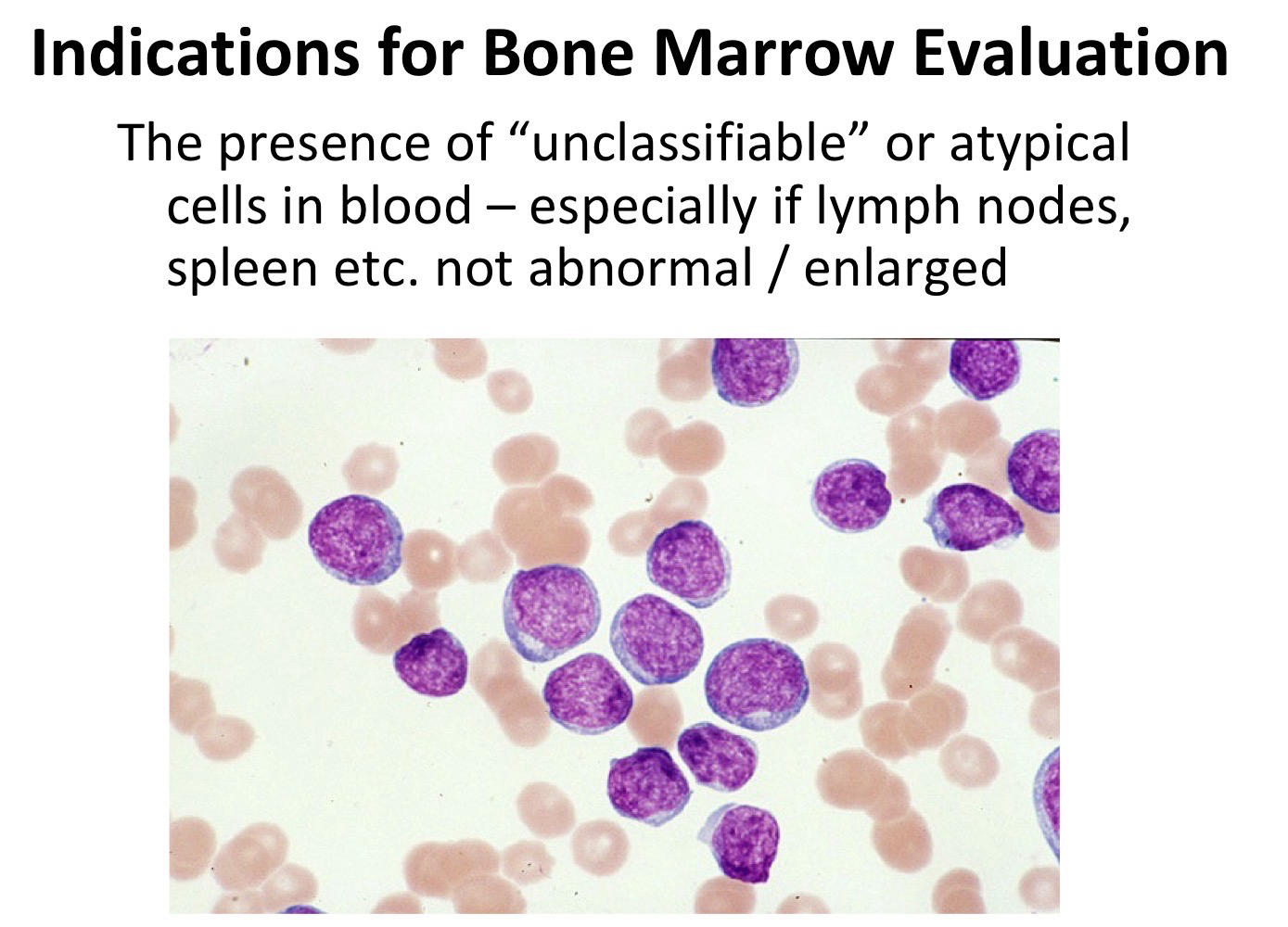
12
Why is bone marrow evaluation performed in suspected primary leukemia?
To confirm leukemia, determine cell lineage, and assess normal hematopoiesis for prognosis and treatment.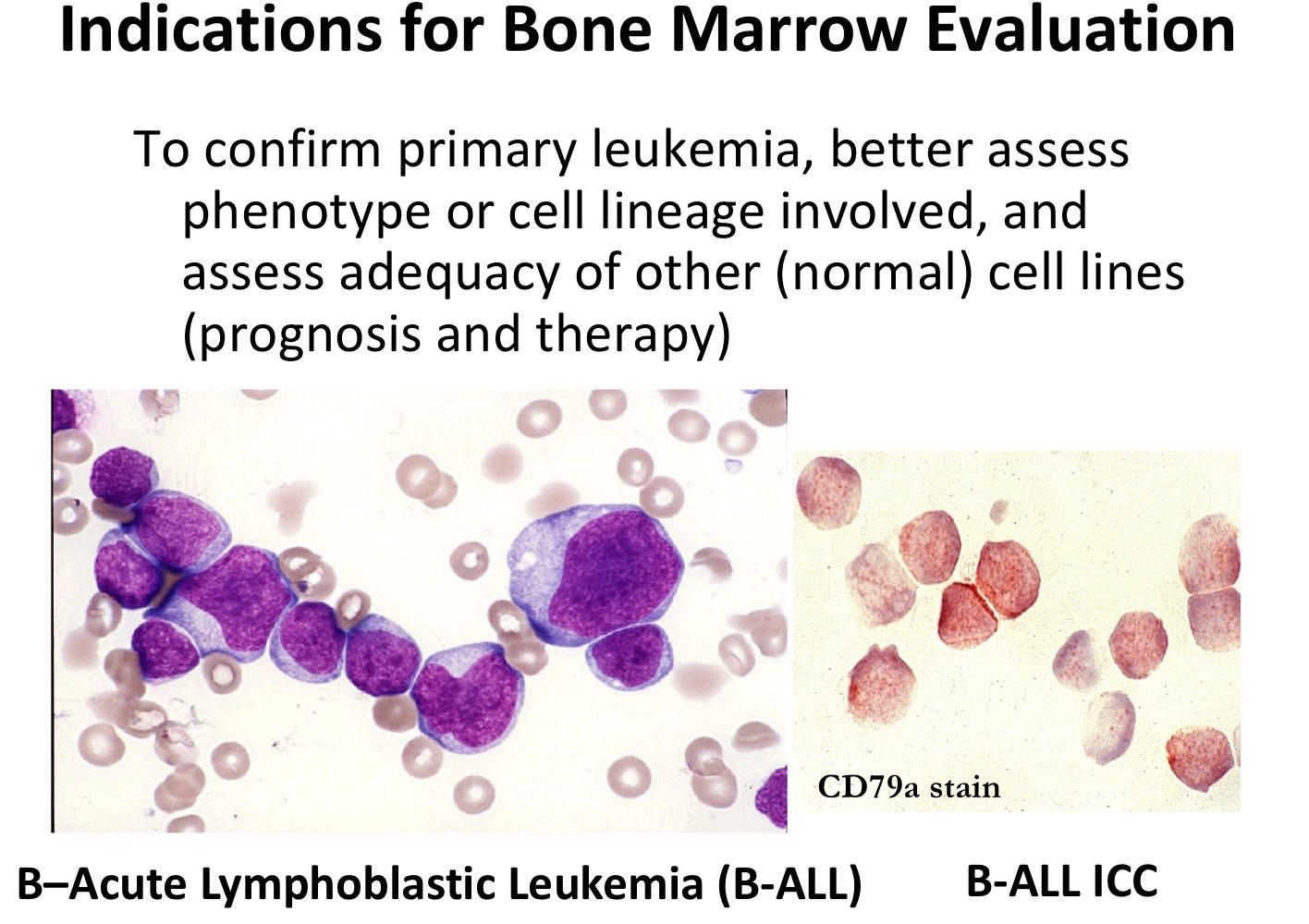
13
Why is bone marrow evaluation used to stage lymphoma or mast cell neoplasia?
To determine marrow involvement and disease extent; marrow involvement worsens lymphoma prognosis.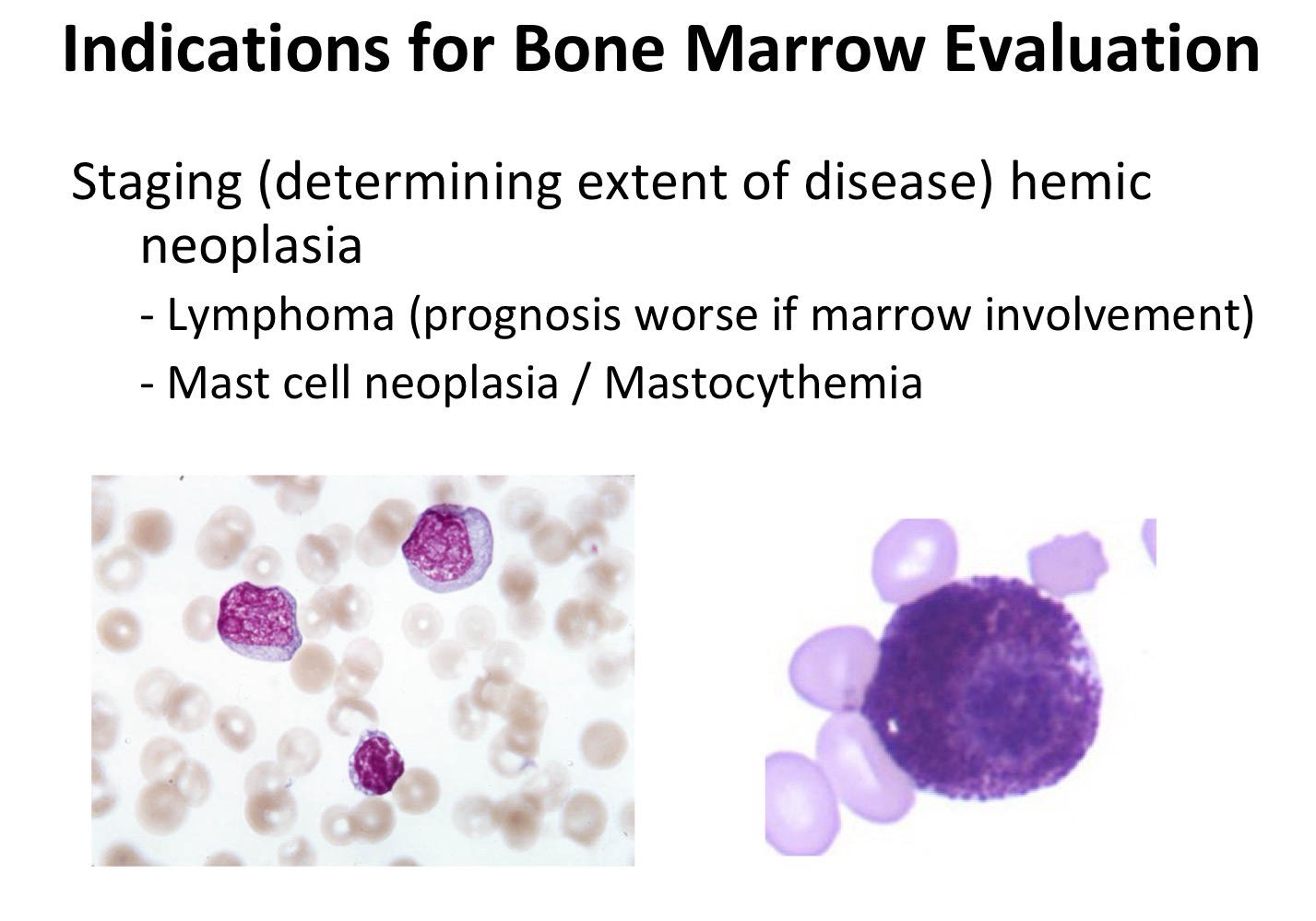
14
Which unexplained biochemical abnormalities can indicate marrow evaluation?
Hypercalcemia and hyperglobulinemia, especially monoclonal gammopathy associated with plasma cell neoplasia.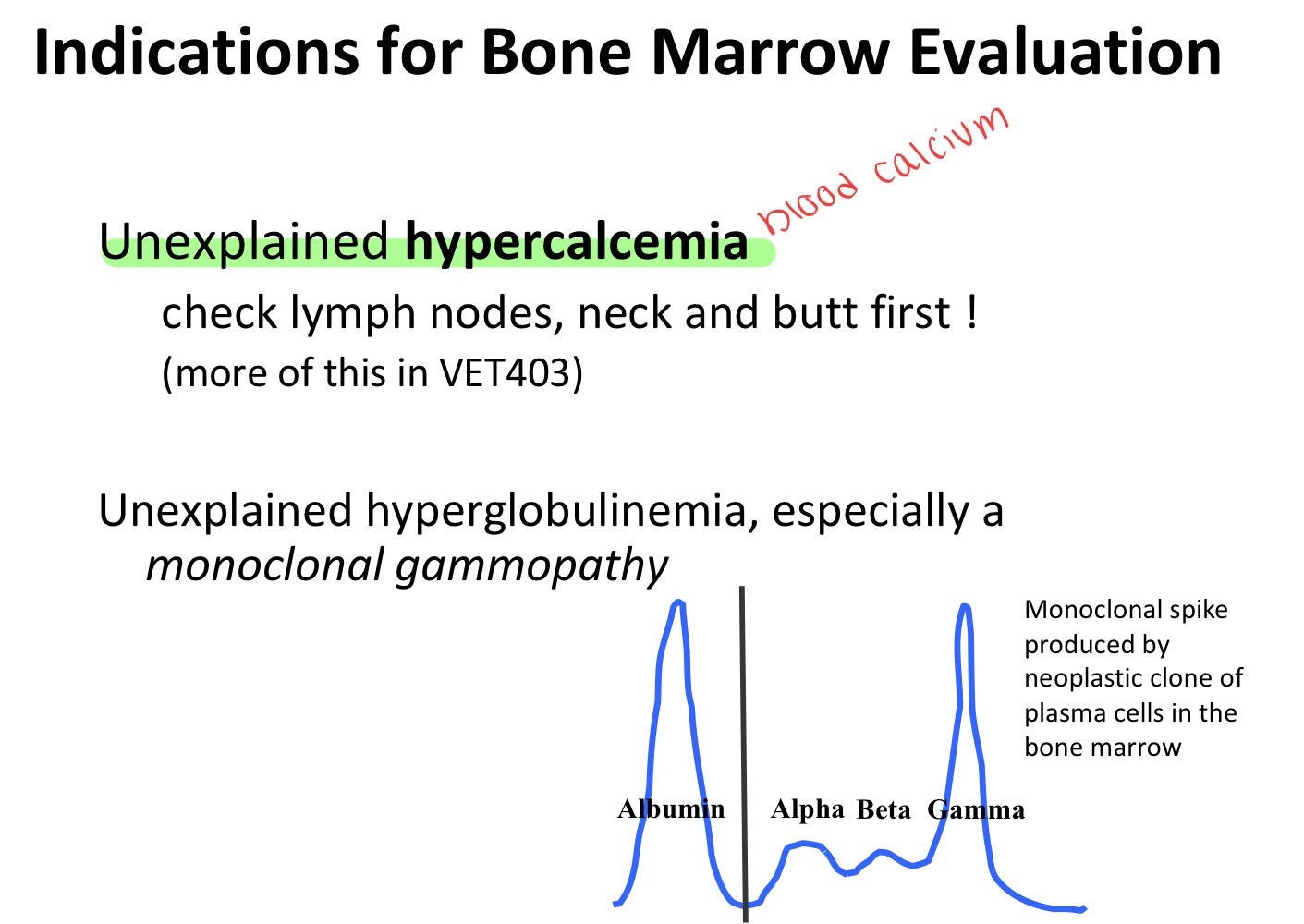
15
Which infectious diseases may be diagnosed through bone marrow evaluation?
Histoplasmosis and leishmaniasis because the organisms may be present in marrow.
16
Why might bone marrow evaluation help diagnose lysosomal storage diseases or iron deficiency?
Storage diseases cause abnormal cellular accumulation; iron deficiency causes decreased stainable iron.
17
How do marrow iron stores differ in iron deficiency, chronic inflammation, and healthy cats?
Decreased in iron deficiency, increased in chronic inflammation, and normally not stainable in cats.
18
Which hematologic conditions are generally NOT indications for bone marrow evaluation?
Regenerative anemia and nonextreme neutrophilia or erythrocytosis.
19
Why is isolated lymphopenia NOT an indication for bone marrow evaluation?
Lymphocyte numbers depend mainly on secondary lymphoid tissues and lymphocyte distribution.
20
Why MUST a CBC be performed close to bone marrow sampling?
Marrow findings must be interpreted alongside current peripheral blood findings.
21
Bone marrow samples collected from sites with
active hematopoietic tissue (flat bones, end of long bones)
22
What are the main advantages of bone marrow aspiration cytology?
Excellent individual-cell detail and maturation assessment; relatively inexpensive and rapid.
23
What are the main advantages of bone marrow core biopsy?
Better assessment of overall cellularity, architecture, fibrosis, necrosis, and focal infiltrative disease.
24
What are the major disadvantages of aspiration versus biopsy?
Aspiration can miss focal disease; biopsy is slower, more expensive, and provides less cellular detail.
25
Why should bone marrow aspiration and core biopsy ideally be performed together?
They provide complementary information about individual cells and overall tissue architecture.
26
What seven features are assessed during bone marrow aspirate evaluation?
Sample adequacy, cellularity, megakaryocytes, lineage maturation/morphology, G:E ratio, other cells, and iron stores.
27
What indicates that a bone marrow aspirate is adequate for cellularity assessment?
Presence of marrow unit particles; without particles, cellularity cannot be reliably assessed.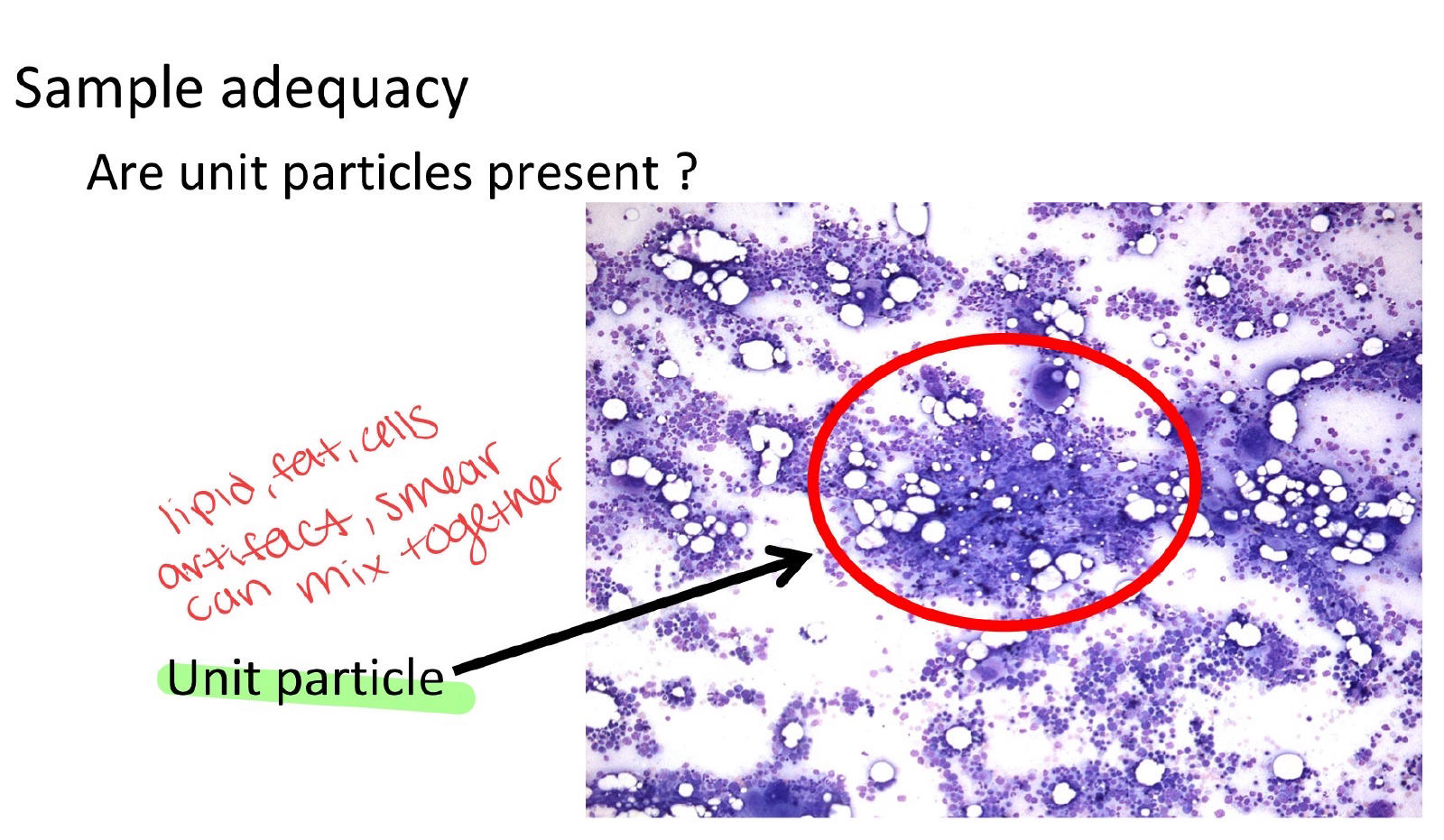
28
How is overall bone marrow cellularity determined?
By evaluating the proportion of hematopoietic cells versus fat within unit particles.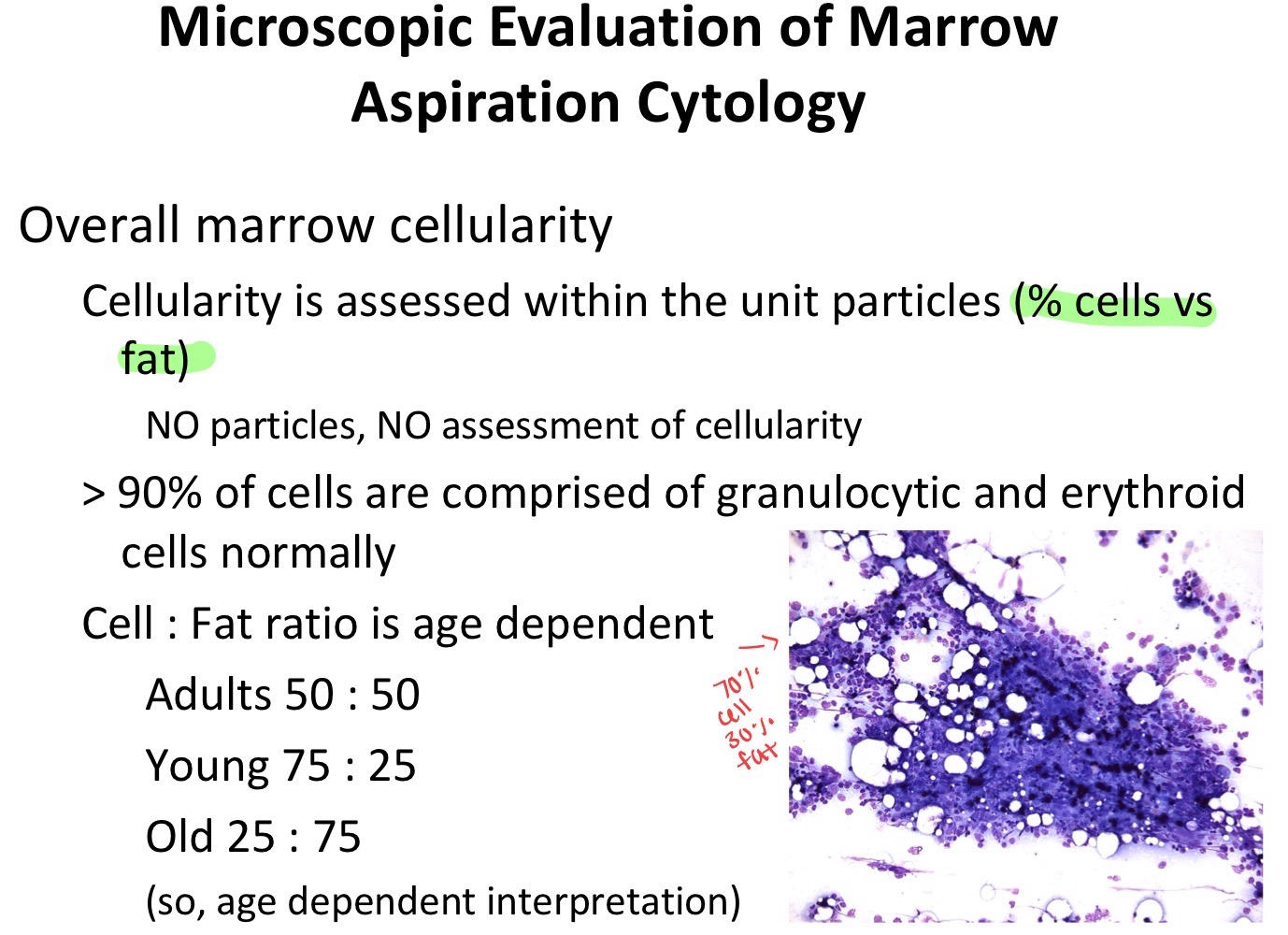
29
What are the normal bone marrow cell-to-fat ratios by age? EXAM
Young 75 cells:25 fat, adults 50:50, and old animals 25:75.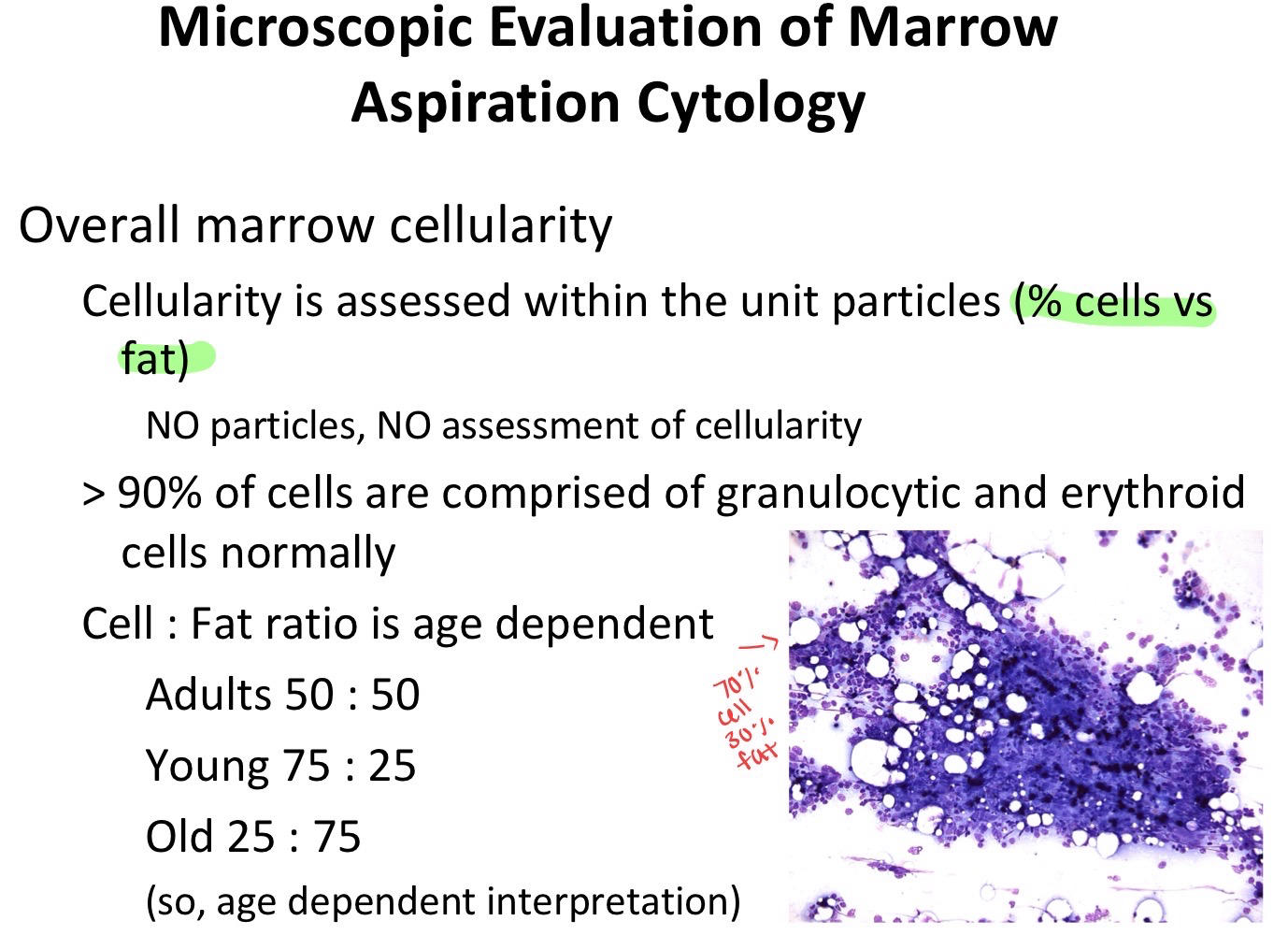
30
What percentage of normal bone marrow cells are granulocytic and erythroid?
More than 90%.
31
What does hypercellular bone marrow suggest?
Increased cell production due to demand or infiltration by foreign/neoplastic cells.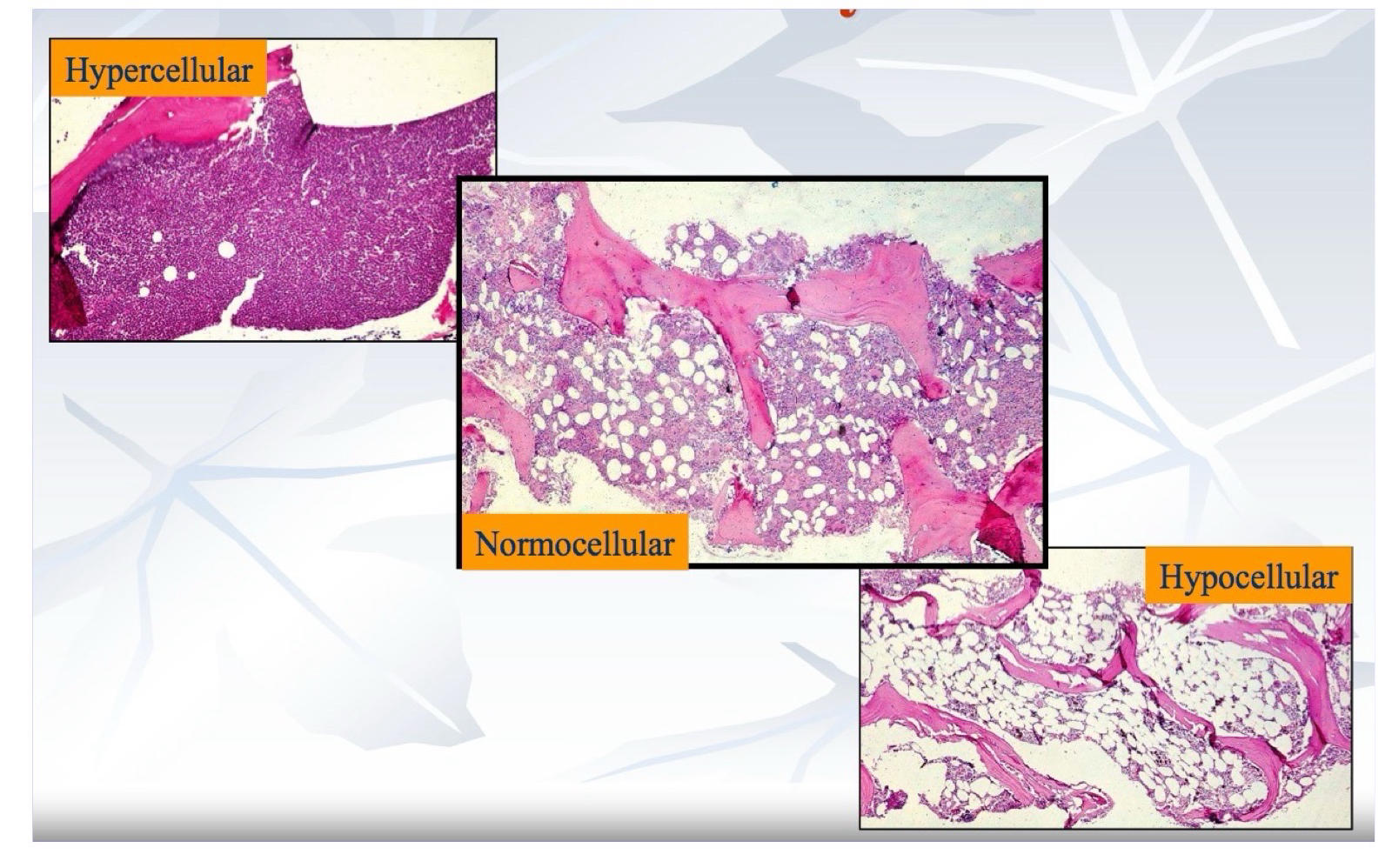
32
What does hypocellular bone marrow suggest?
Decreased production in one or more lineages, potentially due to drugs, toxins, infection, or immune-mediated disease.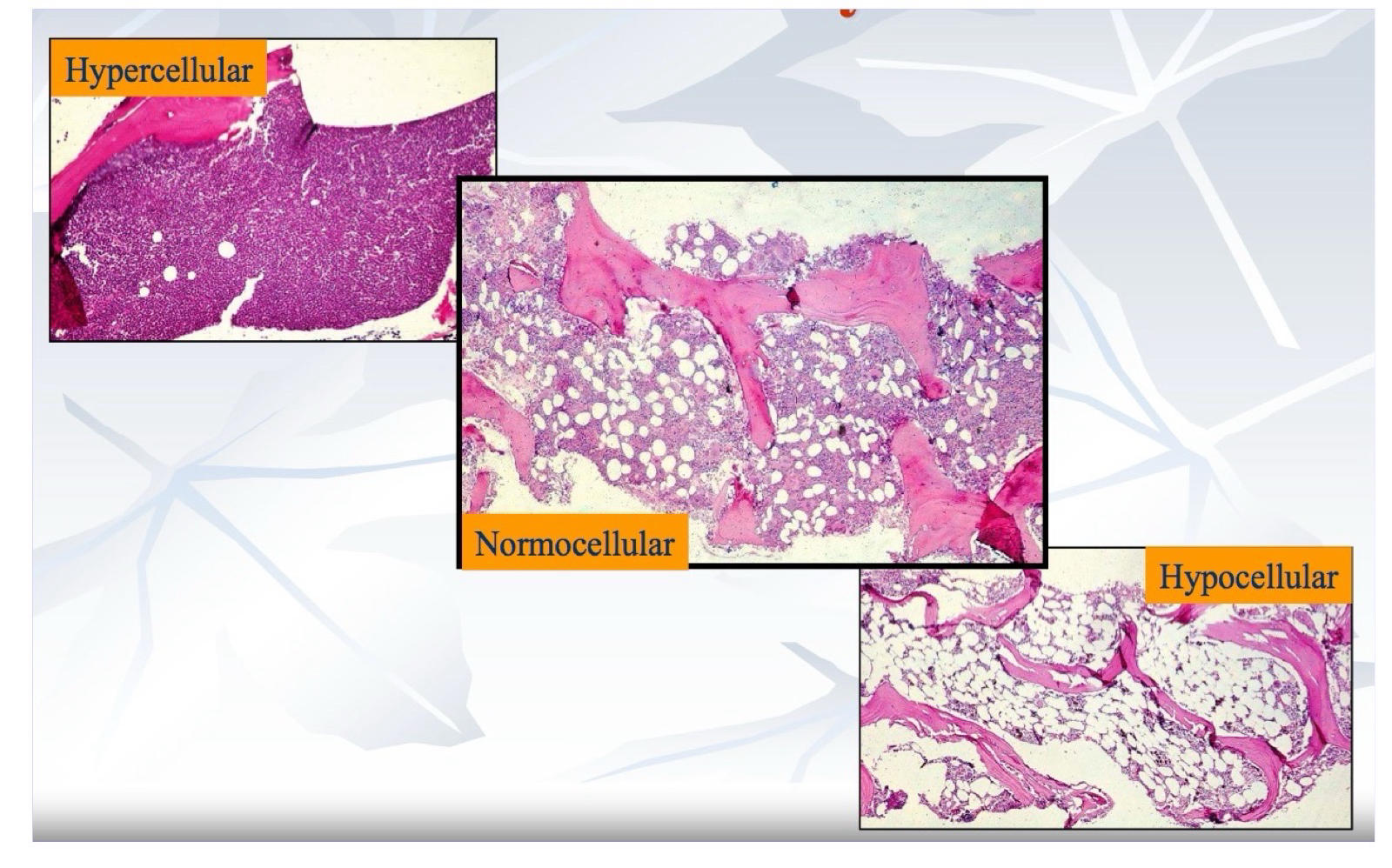
33
What is the difference between hyperplasia, hypoplasia, and aplasia?
Hyperplasia = increased normal cells; hypoplasia = decreased cells; aplasia = absence of hematopoietic cells.
34
A cat has nonregenerative anemia, hypercellular marrow, decreased erythroid precursors, and increased granulocytes. Interpretation?
Erythroid hypoplasia with granulocytic hyperplasia.
35
What are megakaryocytes, and how many are normally found per marrow unit particle?
Large platelet-producing precursor cells; approximately 2–4 per particle.
36
Why might an aspirate show few megakaryocytes even when marrow production is normal?
Megakaryocytes associate with unit particles, so an inadequate sample may miss them.
37
What marrow response is expected with thrombocytopenia caused by peripheral platelet destruction?
Megakaryocytic hyperplasia, sometimes with increased immature megakaryocytes.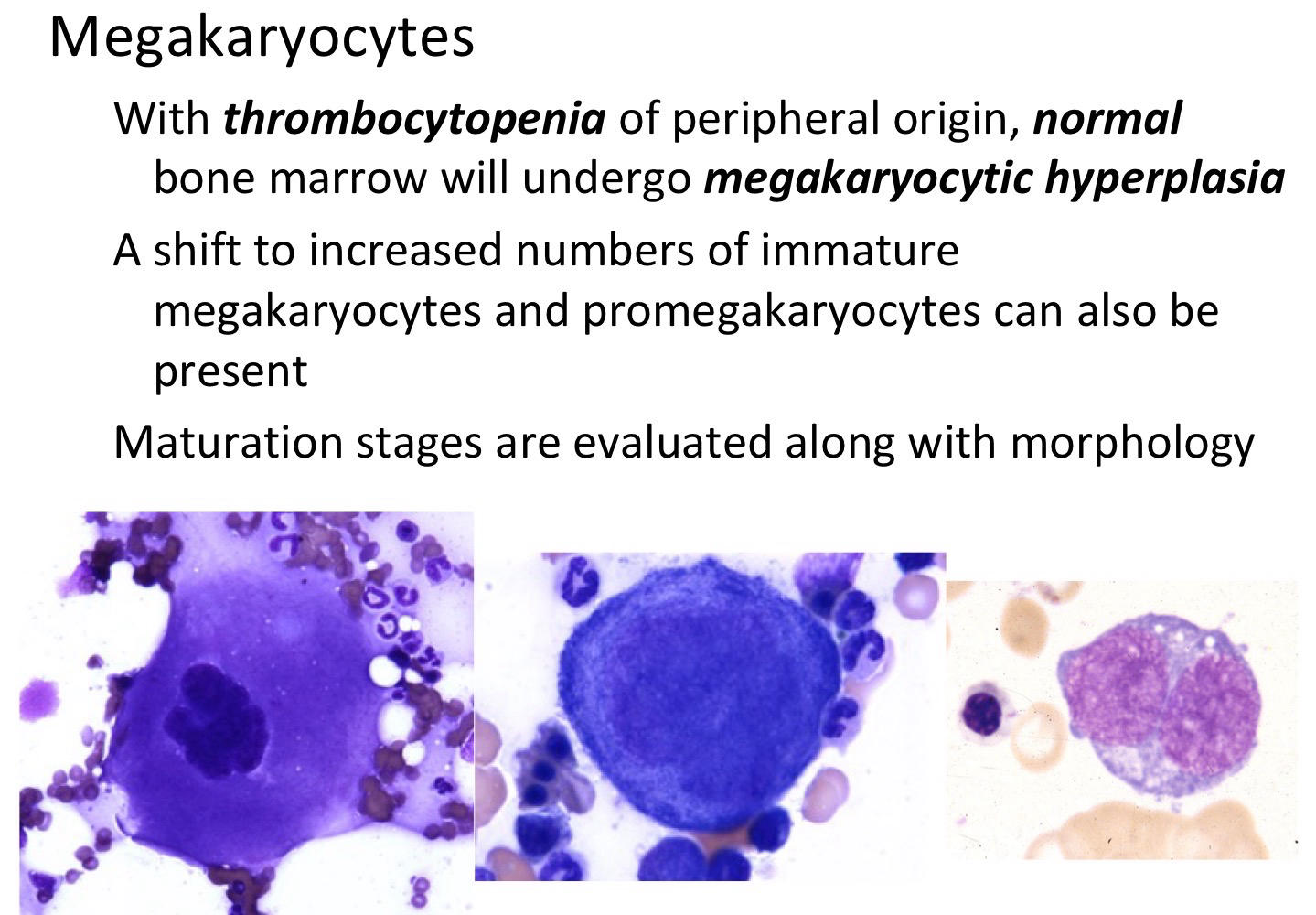
38
A dog has platelets of 10,000/µL and marked megakaryocytic hyperplasia with a left shift. What does this suggest?
An appropriate marrow response to peripheral platelet destruction or consumption, especially ITP.
39
What is the normal granulocytic-to-erythroid (G:E) ratio?
Approximately 1–1.5:1.
Meaning that for every 1 to 3 granulocytic cells, you
should see 1 to 2 erythroid cells
Meaning that for every 1 to 3 granulocytic cells, you
should see 1 to 2 erythroid cells
40
Why must the G:E ratio be interpreted alongside marrow cellularity and the CBC?
An abnormal ratio may reflect increased production of one lineage or decreased production of the other.
41
A 5 yr old cat has nonregenerative anemia, 80% marrow cellularity, and a G:E ratio of 15:1. What is the interpretation?
Marked granulocytic hyperplasia and marked erythroid hypoplasia.
42
What does complete and orderly maturation mean in bone marrow?
Cells progress normally from immature precursors to mature blood cells.
43
What percentage of marrow cells are normally lymphocytes, and what is the feline exception?
Less than 5% in most species, but up to 15% in healthy cats.
44
What causes increased plasma cells in bone marrow?
Aging, immune stimulation, or neoplasia such as multiple myeloma.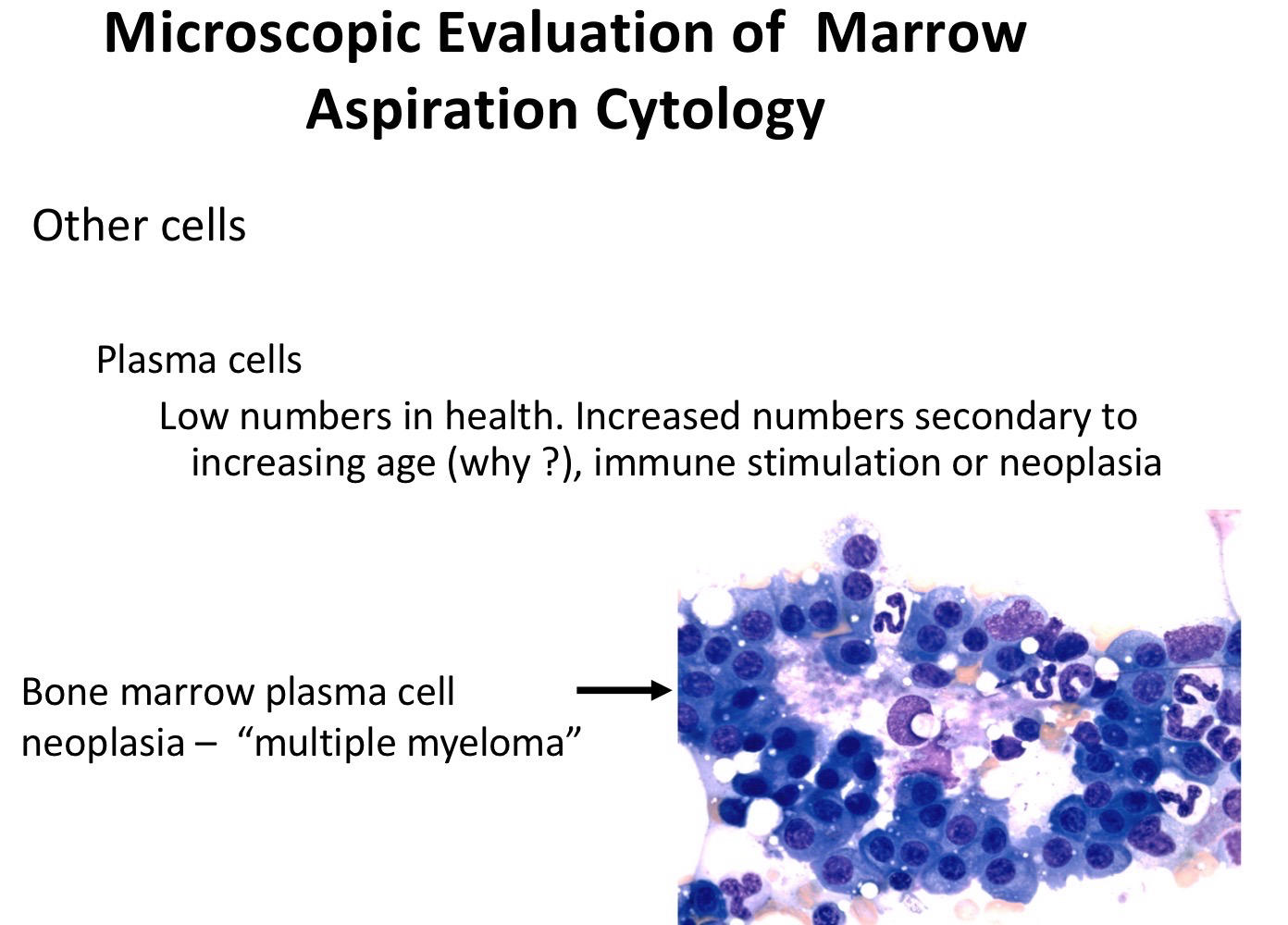
45
What are the functions of bone marrow macrophages, and when are they increased?
Store iron and support erythroid development; increase with inflammation, immune-mediated disease, and histiocytic disorders.
46
What does an increased number of bone marrow mast cells suggest? not as important
Aplastic anemia, mast cell neoplasia, or inflammation.
47
What happens to peripheral blood counts during generalized marrow aplasia, and in what order?
Neutropenia first, then thrombocytopenia, then anemia.
48
What is aplastic pancytopenia, and what are important causes? don’t need to know specific things
Loss of all three major marrow cell lines; causes include immune-mediated disease, viruses, drugs, estrogen toxicity, irradiation, Ehrlichia, and bracken fern.
49
What are marrow necrosis and myelofibrosis associated with? no details
Necrosis may follow toxins, drugs, DIC, hypoxia, viruses, or immune disease; myelofibrosis indicates chronic marrow injury.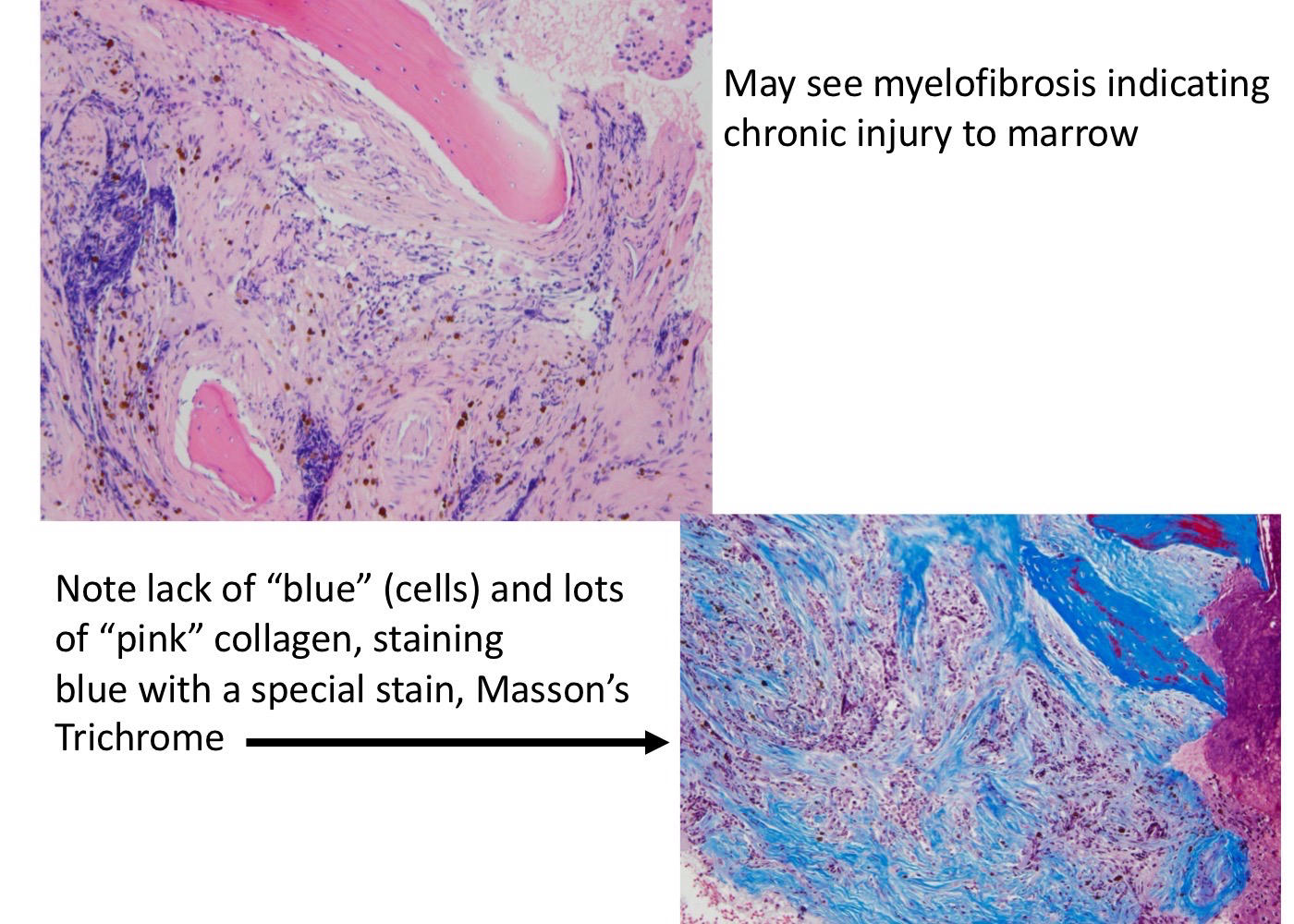
50
What is myelophthisis, and why can the marrow be hypercellular despite cytopenias?
Replacement of normal marrow by neoplastic cells, usually leukemia or metastasis; abnormal cells dominate while normal blood cell production decreases.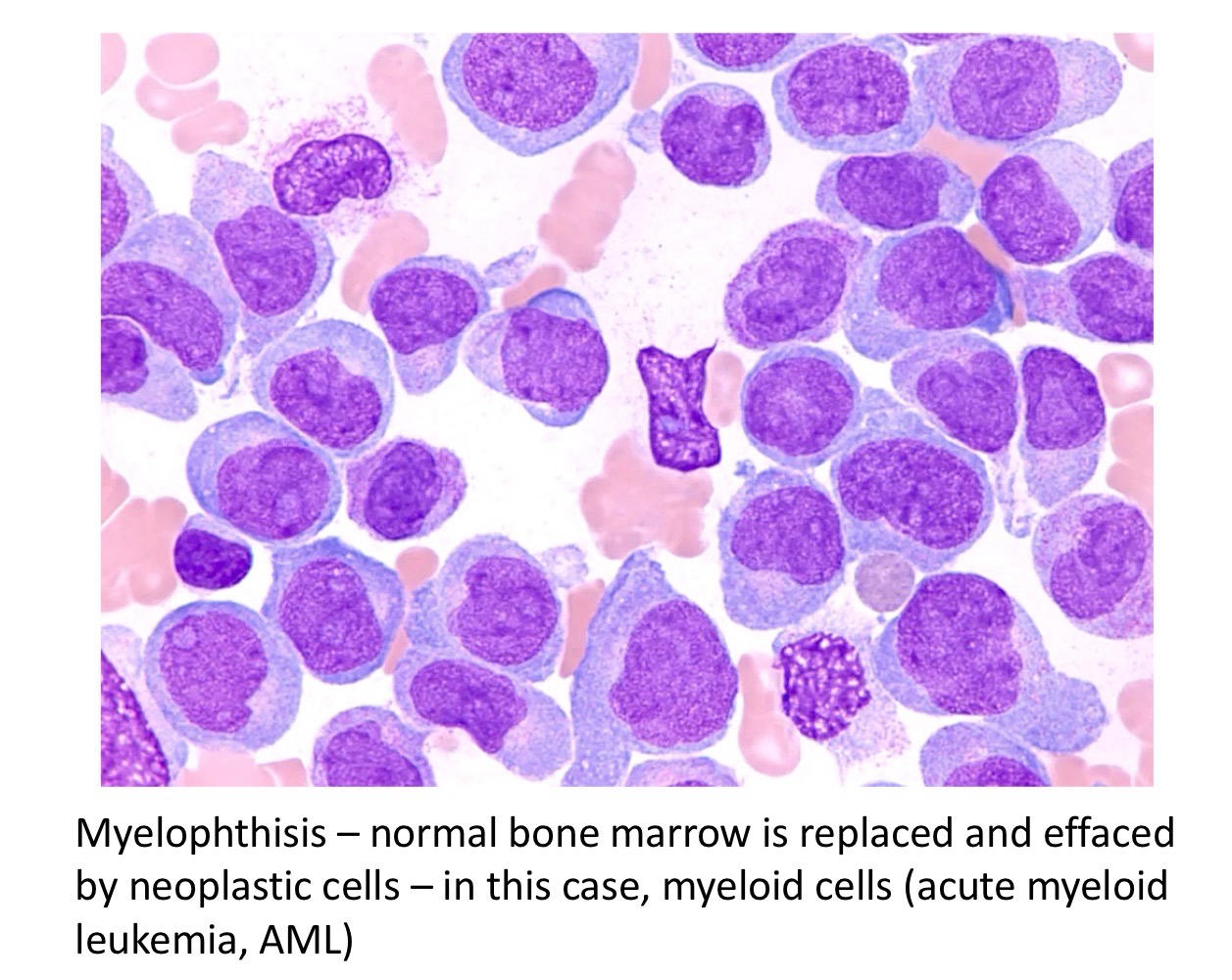
Mehr Karteikarten: Medizin und Gesundheit
Skull and Vertebral ColumnMedizin und Gesundheit · EnglischEshaPharmacology 52-105Medizin und Gesundheit · LateinjoshywoshyCerebrospinal Fluid AnalysisMedizin und Gesundheit · EnglischkarebearTransfusion TherapyMedizin und Gesundheit · EnglischKimNervous system 3 & 4Medizin und Gesundheit · EnglischNotField Health Service Information System (FHSIS)Medizin und Gesundheit · EnglischALICELecture 6 - Protozoa (Protozoa Blood and tissue Dwelling) Sporozoa and Amoeba part 2Medizin und Gesundheit · EnglischkarebearBPA Practice 2023-24Medizin und Gesundheit · EnglischAl(12) Vaskulære sygdommeMedizin und Gesundheit · DänischTobiasMusculoskeletal Medications: Classes and IndicationsMedizin und Gesundheit · Englischebradstreet(4) De centrale hørebanerMedizin und Gesundheit · DänischTobias1- généralitéMedizin und Gesundheit · FranzösischOcéane
Alle Decks: Medizin und Gesundheit
Lerne diese Decks in der App
Kostenlos auf iPhone, Android, Mac und im Web. Füge jedes Deck mit einem Tipp zu deinem Konto hinzu.

