Acute Kidney Injury & Kidney Replacement Therapy
Diese Karteikarten lernenKostenlos · Spaced Repetition · iPhone, Android, Mac & Web
Alle Karten
1
How quickly does acute kidney injury develop?
Over hours to days
2
What characterizes AKI physiologically?
An acute decline in kidney function with waste accumulation and possible fluid retention
3
What is a leading phenotype of AKI in critical illness?
Acute tubular necrosis (ATN)
4
What are two common ICU causes of ATN?
Sepsis and shock
5
What major exposures or conditions increase ICU AKI risk?
Radiocontrast, major surgery, nephrotoxic drugs, CKD, heart failure, and diabetes
6
What long-term conditions can develop after AKI?
CKD, cardiovascular complications, and end-stage kidney disease
7
What does RIFLE stand for?
Risk, injury, failure, loss, and end-stage kidney disease
8
Which RIFLE categories are severity grades versus outcomes?
Severity: risk, injury, failure; outcomes: loss, end-stage
9
What time window does AKIN use to identify the acute creatinine rise?
48 hours
10
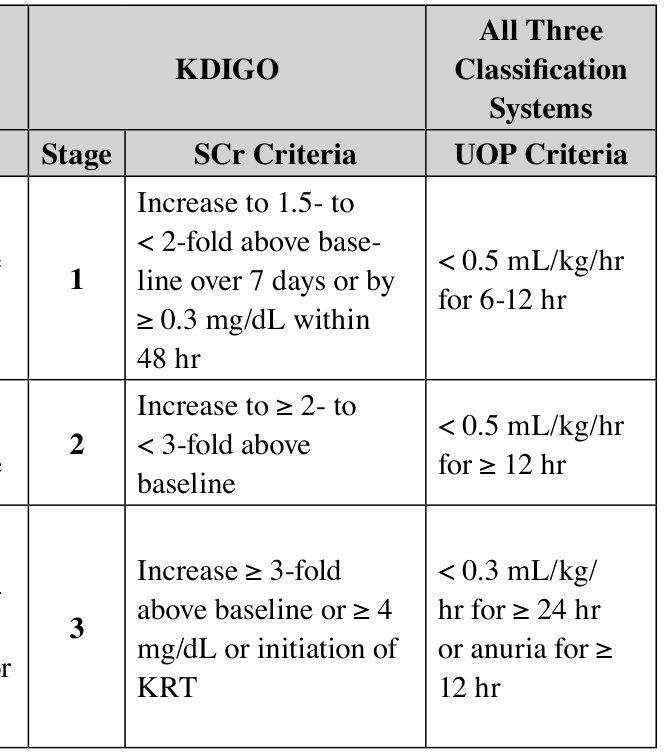
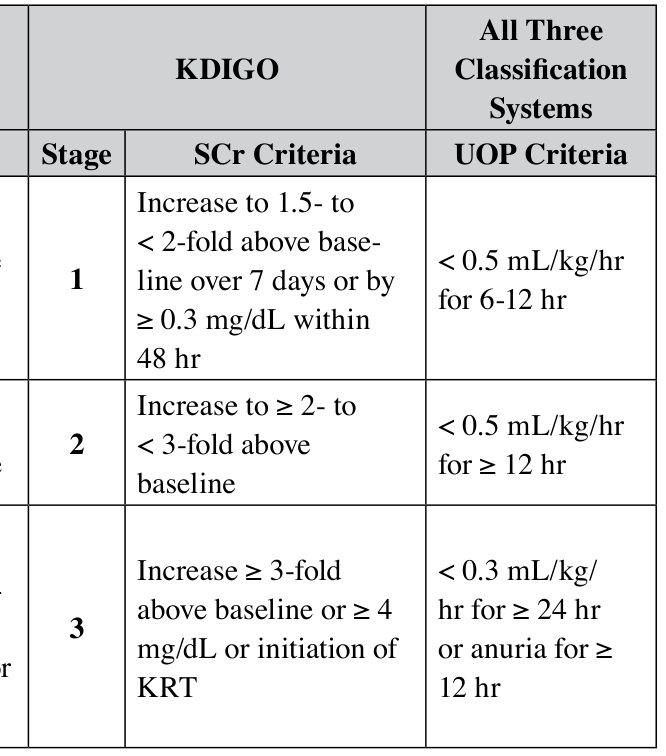
What change in serum creatinine within 48 hours meets KDIGO AKI criteria?
An increase of ≥ 0.3 mg/dL
11
What relative creatinine increase within 7 days meets KDIGO AKI criteria?
An increase to ≥ 1.5 times baseline
12
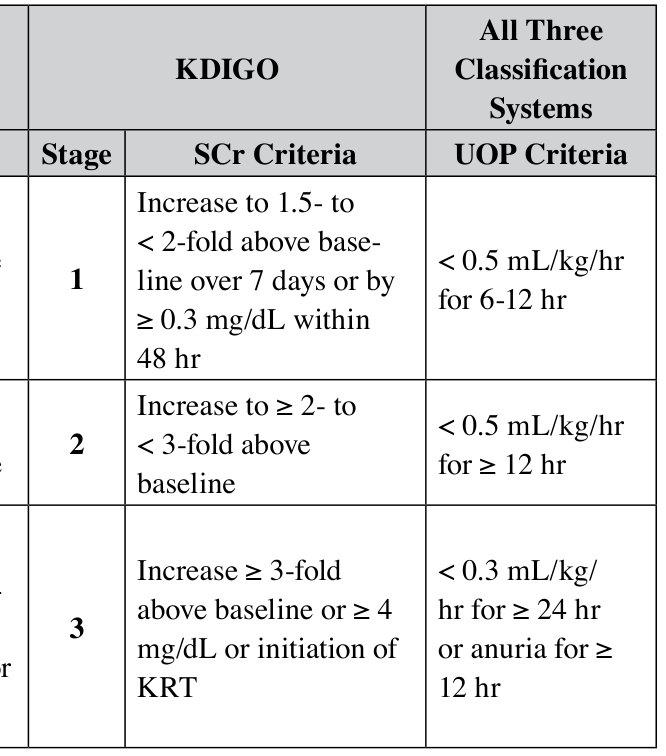
What KDIGO stage applies when KRT is initiated?
Stage 3
13
What KDIGO stage corresponds to creatinine 1.5 to <2 times baseline?
Stage 1
14
What KDIGO stage corresponds to creatinine 2 to <3 times baseline?
Stage 2
15
What KDIGO stage corresponds to creatinine ≥3 times baseline?
Stage 3
16
What urine-output pattern meets KDIGO stage 1 AKI?
< 0.5 mL/kg/hr for 6–12 hours
17
What urine-output pattern meets KDIGO stage 2 AKI?
< 0.5 mL/kg/hr for ≥ 12 hours
18
What urine-output patterns meet KDIGO stage 3 AKI?
< 0.3 mL/kg/hr for ≥24 hr or anuria ≥12 hr
19
Why can serum creatinine underestimate AKI in a critically ill patient?
Decreased creatinine production and volume overload can lower SCr
20
What does a low urine output not necessarily indicate?
Tubular injury; it can occur with intravascular volume depletion
21
Which two clinical markers used to define AKI primarily show functional loss?
Serum creatinine and urine output
22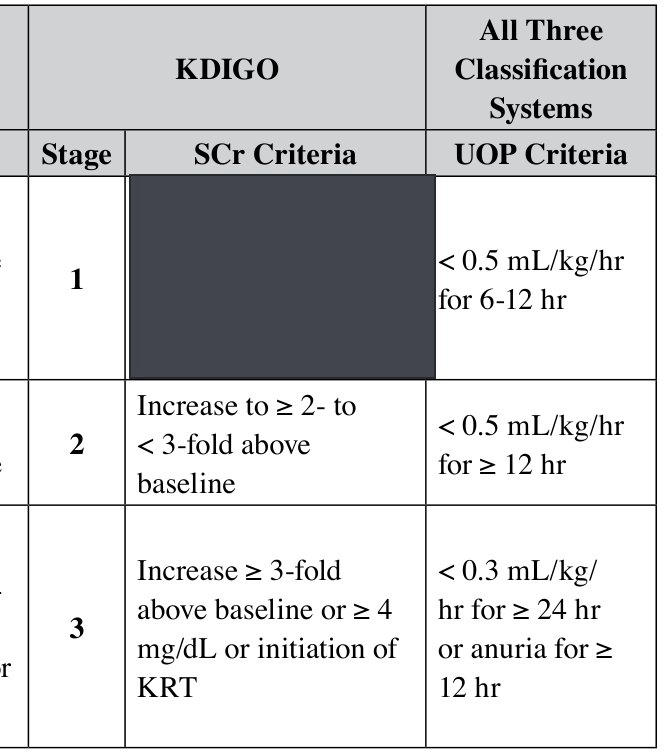
23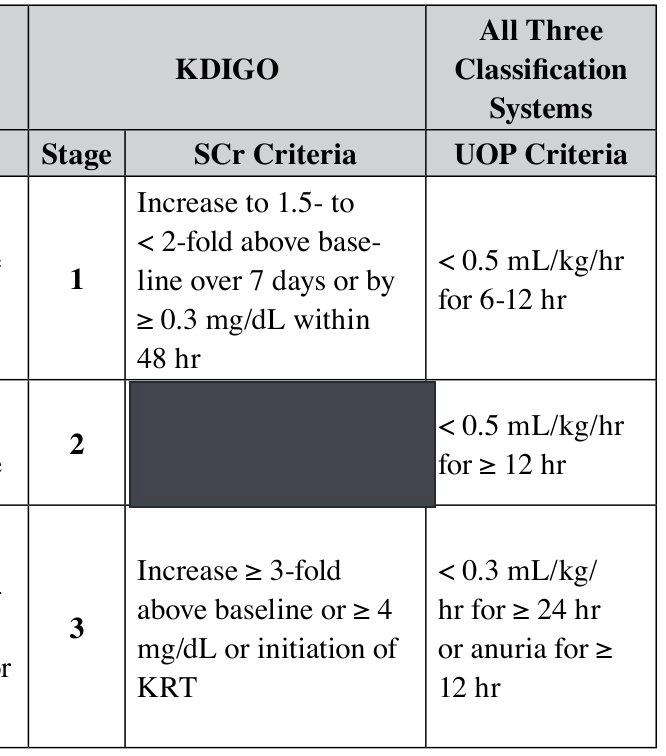
24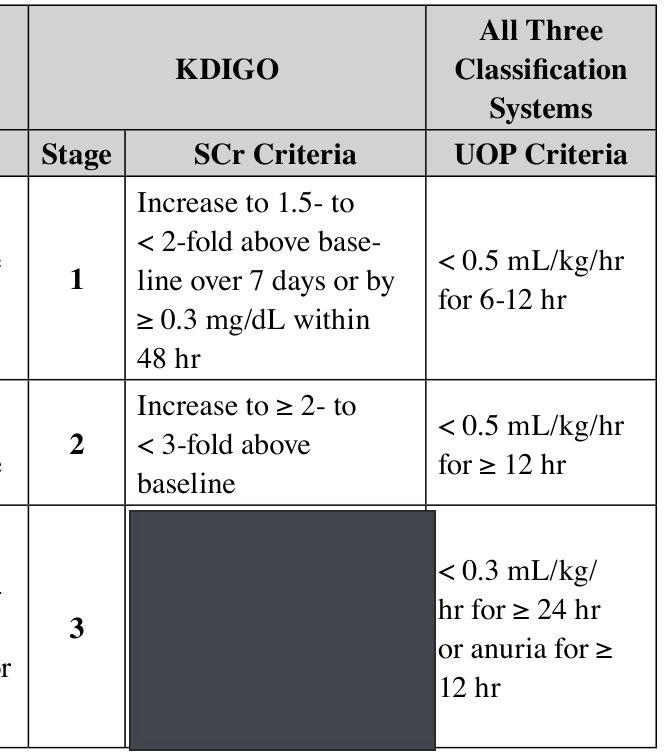
25
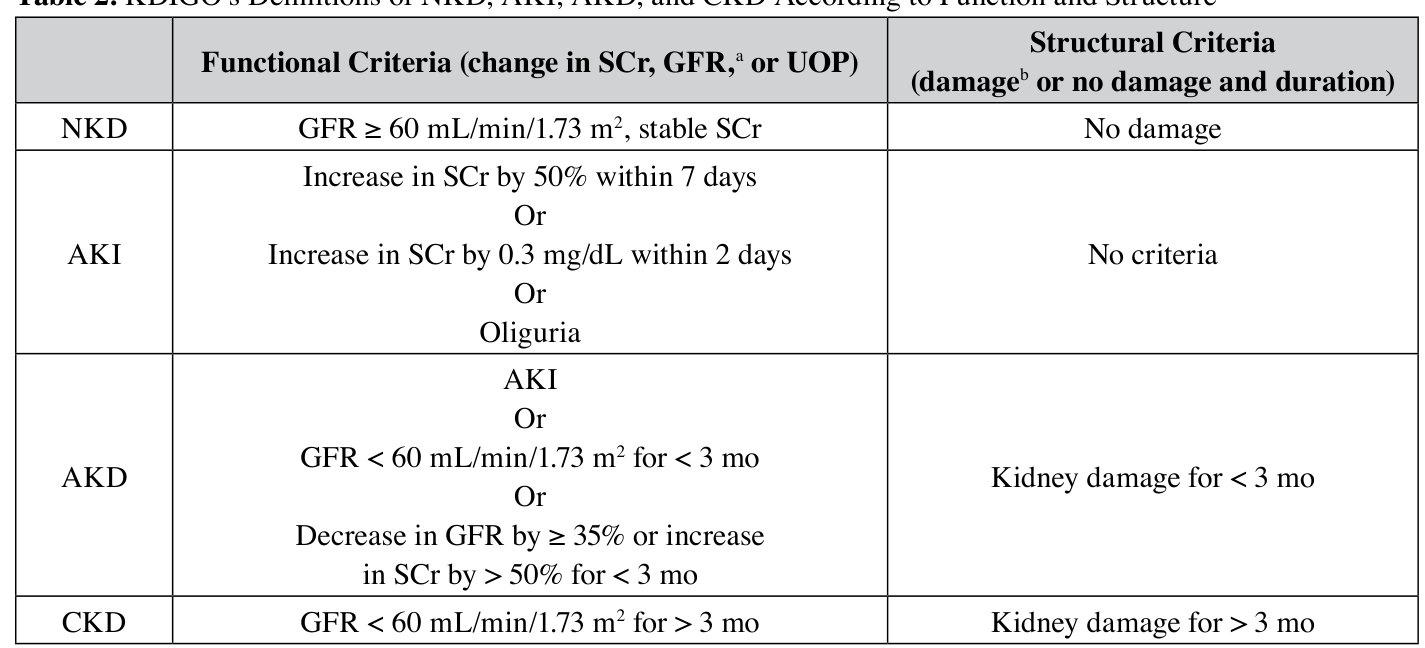
How is AKI defined on the kidney-disease time continuum?
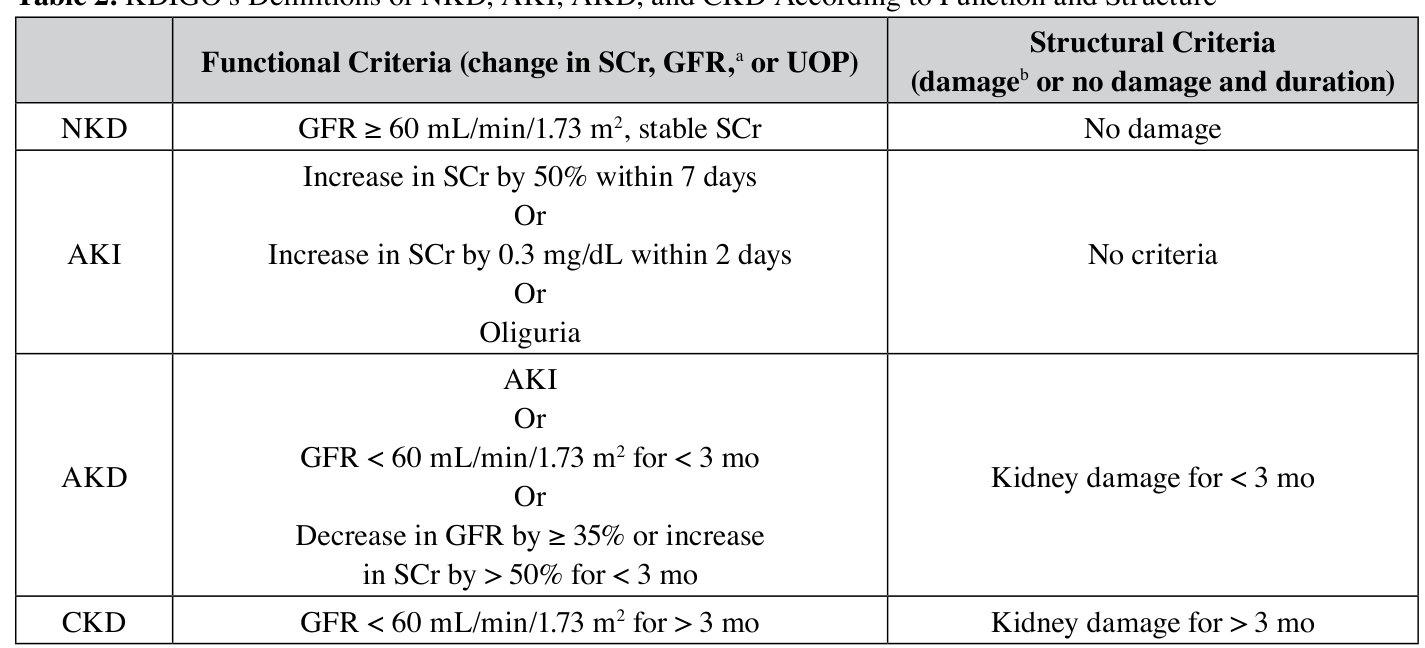
Acute kidney dysfunction over ≤ 7 days
26
What is acute kidney disease (AKD)?
AKI or other kidney dysfunction/damage lasting < 3 months
27
What duration defines chronic kidney disease (CKD)?
Kidney dysfunction or damage for > 3 months
28
Why is nonresolving AKI clinically important?
It is associated with greater risk of CKD and major adverse kidney events
29
What medication-related role can pharmacists have after AKI discharge?
Review renally eliminated and nephrotoxic medications and provide follow-up education
30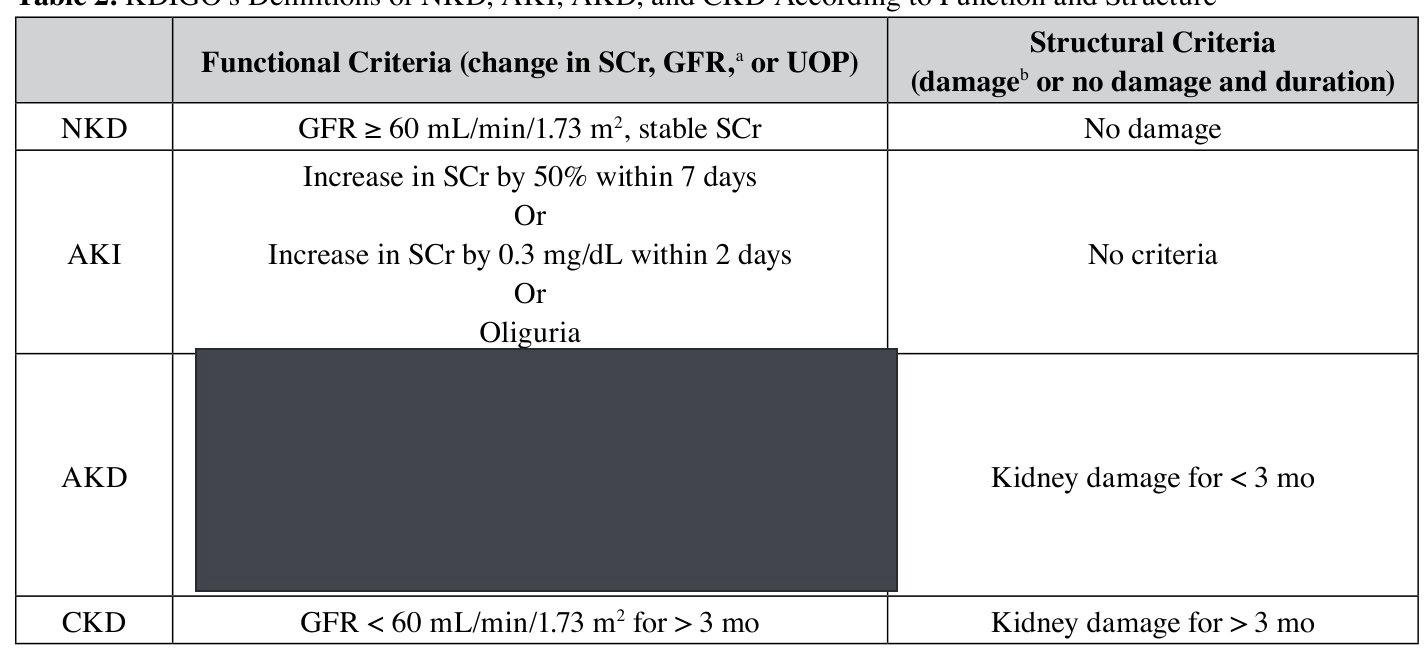
31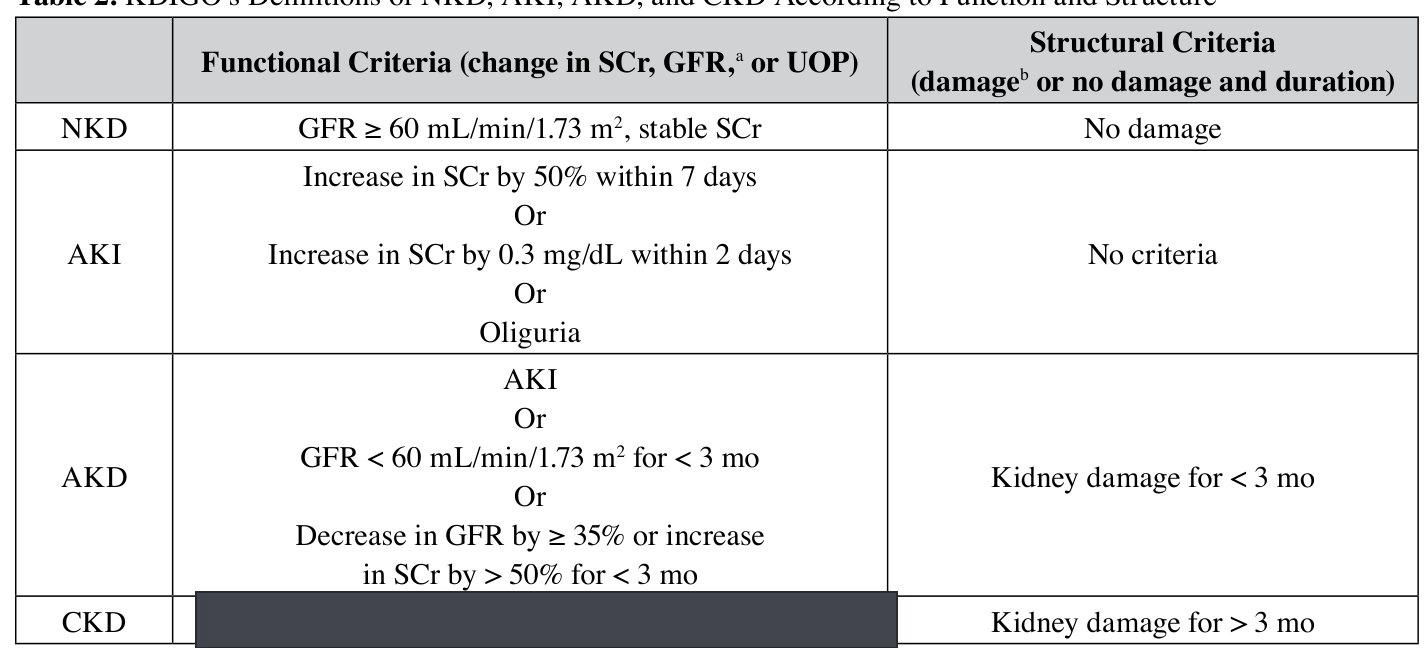
32
What history elements are particularly useful when evaluating AKI?
Rate of decline, associated symptoms, coexisting diseases, and current\/recent medications
33
Which urine studies may help differentiate AKI causes?
Urine microscopy, sodium, and osmolality
34
What should be checked when an indwelling urinary catheter has no output?
Catheter patency
35
When is renal ultrasonography especially useful in ICU AKI?
High-risk patients or when the initial evaluation does not identify the cause
36
When may kidney biopsy be especially useful in AKI?
Suspected glomerulopathy or intrinsic failure not associated with ATN
37
What furosemide stress-test dose is used in diuretic-naïve patients?
1 mg/kg
38
What furosemide stress-test dose is used in patients with prior diuretic exposure?
1.5 mg/kg
39
What urine-output response commonly defines a positive furosemide stress test?
200 mL over 2 hours
40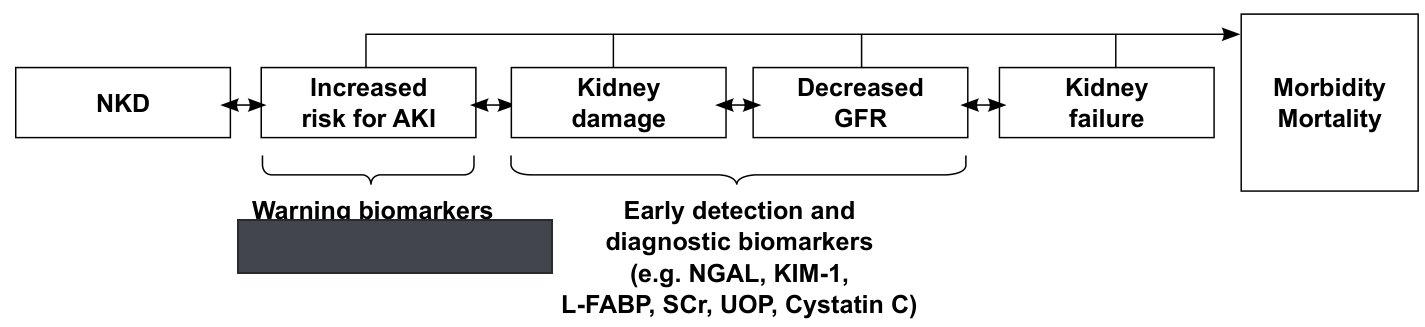
41
Which functional AKI markers help estimate GFR or clearance?
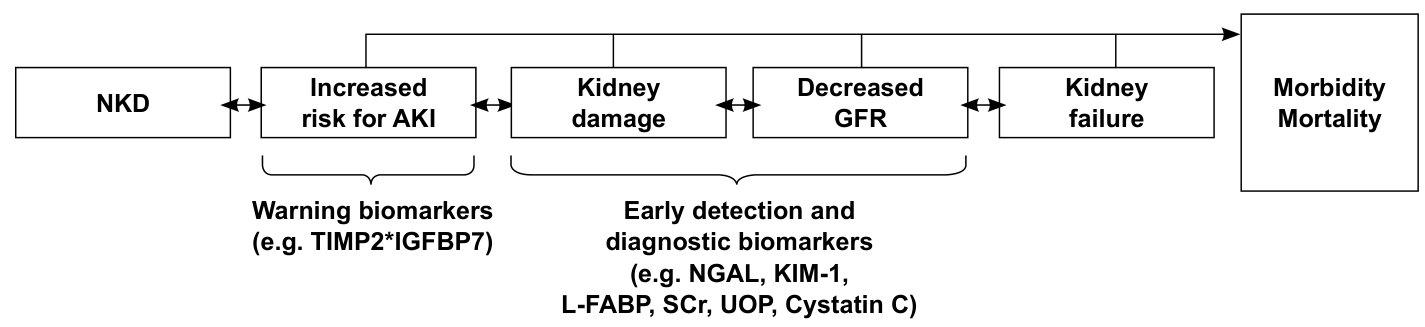
SCr, UOP, cystatin C, proenkephalin, beta-trace protein, and β2-microglobulin
42
Which marker may predict clearance of some renally eliminated drugs as well as or better than SCr?
Cystatin C
43
What are TIMP-2 and IGFBP7 used to detect?
Cell-cycle arrest associated with kidney cellular stress/injury
44
What high-risk urinary TIMP-2·IGFBP7 cutoff was used in PrevAKI and BigpAK?
> 0.3
45
What did the PrevAKI/BigpAK prevention-bundle studies find in high-risk surgical patients?
A lower incidence of AKI than usual care
46
Give examples of early damage biomarkers besides TIMP-2·IGFBP7?
NGAL, KIM-1, L-FABP, NAG, urine cystatin C, and CCL14
47
Are novel urinary injury biomarkers part of current KDIGO diagnostic criteria?
No; additional research is needed
48
What is a major limitation of creatinine when kidney function changes rapidly?
SCr can lag by about 48 hours after kidney damage
49
What defines prerenal AKI?
AKI attributable to decreased kidney perfusion
50
Name causes of decreased kidney perfusion besides simple hypovolemia?
Heart failure, peripheral vasodilation, renal vasoconstriction, or renal occlusion
51
What defines intrinsic renal AKI?
AKI secondary to parenchymal or vascular disease
52
What is the most commonly cited hospital example of intrinsic renal AKI?
Acute tubular necrosis
53
What defines postrenal AKI?
AKI associated with urinary tract obstruction
54
Which conditions commonly cause postrenal AKI?
Prostatic hypertrophy, nephrolithiasis, and tumor obstruction
55
What intervention may relieve a lower urinary tract obstruction causing AKI?
Urinary catheterization
56
Approximately what fraction of hospital AKI is associated with medications?
About one-third
57
What three factors form a traditional drug-induced kidney disease classification?
Phenotype, mechanism, and time course
58
How do type A and type B drug-induced kidney injuries differ?
Type A is dose-dependent; type B is unpredictable and not dose-dependent
59
How is acute drug-induced kidney disease classified by time course?
1–7 days
60
How is subacute drug-induced kidney disease classified by time course?
8–90 days
61
How is chronic drug-induced kidney disease classified by time course?
>90 days
62
What are the three major goals of nephrotoxin stewardship?
Medication safety, kidney health, and avoiding unnecessary costs
63
How do loop diuretics contribute to hemodynamic AKI?
Intravascular volume depletion reduces effective arterial blood volume
64
How do NSAIDs increase the risk of hemodynamic AKI?
Reduced prostaglandin synthesis limits afferent arteriolar vasodilation
65
How do ACE inhibitors and ARBs increase the risk of hemodynamic AKI?
They prevent angiotensin II–mediated efferent arteriolar vasoconstriction
66
Which three drug groups form the AKI “triple whammy”?
NSAID + diuretic + ACE inhibitor or ARB
67
Which immunosuppressant class can impair renal hemodynamics?
Calcineurin inhibitors
68
What urine sediment finding suggests acute tubular necrosis?
Muddy brown granular casts or renal tubular epithelial cells
69
Which antimicrobial groups are examples of direct tubular toxins?
Aminoglycosides, amphotericin B, vancomycin, colistin, and some antivirals
70
What is the immune mechanism of drug-associated acute interstitial nephritis?
A cell-mediated immune response similar to type IV hypersensitivity
71
What urine findings can suggest acute interstitial nephritis?
Microscopic hematuria, sterile pyuria, and nonnephrotic proteinuria
72
What is the classic clinical triad of acute interstitial nephritis?
Eosinophilia, fever, and rash
73
How often is the classic eosinophilia-fever-rash triad present in AIN?
Only 10%–30% of patients
74
Which common drug groups can cause acute interstitial nephritis?
β-lactams, NSAIDs, PPIs, vancomycin, and immune checkpoint inhibitors
75
What is the first management step in suspected drug-associated AIN?
Discontinue the offending agent
76
Is corticosteroid treatment for drug-induced AIN established?
Their use remains controversial
77
What renal signal was higher with vancomycin plus piperacillin/tazobactam than vancomycin plus cefepime?
Creatinine-defined AKI, without a corresponding cystatin C or BUN change in one cohort
78
What medications are associated with drug-induced osmotic nephrosis?
Mannitol, hydroxyethyl starch, sucrose-containing immunoglobulin, and dextrans
79
What is the mechanism of osmotic nephrosis?
Tubular-cell uptake and accumulation cause swelling/vacuolization and lumen obstruction
80
What medications are associated with crystalline nephropathy?
Acyclovir, methotrexate, certain antibiotics, antiretrovirals, and triamterene
81
Which drugs are examples of drug-induced nephrogenic diabetes insipidus or tubular dysfunction?
Lithium and other agents such as antiretrovirals or antiepileptics
82
Which AKI survivors were enrolled in the FUSION follow-up trial?
Patients surviving stage 2 or 3 AKI
83
What did FUSION find for major adverse kidney events at 1 year?
No difference despite improved follow-up processes
84
Is any specific medication proven to reverse established AKI?
No; treatment is supportive and limits additional insults
85
What is the resuscitation goal in shock-related AKI?
Restore effective circulation without volume overload
86
When should KRT be considered during AKI management?
When metabolic or volume derangements fail other approaches
87
What does AEIOU stand for as KRT indications?
Acidosis, Electrolytes, Intoxication, Overload, Uremia
88
Which electrolyte disturbance is a classic urgent KRT indication?
Severe or refractory hyperkalemia
89
Which type of volume overload is a classic urgent KRT indication?
Refractory volume overload
90
What did BICAR-ICU find for new dialysis initiation with sodium bicarbonate?
Bicarbonate was associated with less new dialysis initiation
91
What primary outcome was unchanged by accelerated versus standard KRT in STARRT-AKI?
90-day mortality (44% in each group)
92
What proportion of STARRT-AKI standard-strategy patients eventually needed dialysis?
Approximately two-thirds
93
How did accelerated KRT compare with standard KRT for adverse events in STARRT-AKI?
More adverse events with accelerated KRT
94
Does current evidence consistently favor early KRT before an urgent indication?
No consistent reproducible advantage
95
Which three general KRT duration categories are used?
Intermittent, prolonged intermittent, and continuous KRT
96
What is convection in KRT?
Solute drag driven by transmembrane water movement
97
What is diffusion in KRT?
Solute movement down a concentration gradient
98
Which clearance mechanism can remove small and middle-molecular-weight solutes?
Convection
99
Which clearance mechanism most efficiently removes small solutes?
Diffusion
100
What direction does dialysate flow relative to blood during diffusive clearance?
Countercurrent
101
Which replacement-fluid position may improve filter life and reduce clotting?
Prefilter replacement
102
Which replacement-fluid position generally provides more efficient solute clearance?
Postfilter replacement
103
How long is a typical intermittent hemodialysis session?
Approximately 3–4 hours
104
What common complication can limit intermittent hemodialysis in critically ill patients?
Intradialytic hypotension
105
Why may IHD worsen intracranial pressure in brain-injured patients?
Rapid plasma solute removal promotes water movement into the brain and cerebral edema
106
Which KRT modality is most frequently used in hemodynamically unstable ICU patients?
Continuous KRT (CRRT)
107
What clearance mechanism does CVVH use?
Convection
108
What clearance mechanism does CVVHD use?
Diffusion
109
What clearance mechanisms does CVVHDF use?
Convection and diffusion
110
What is the main purpose of slow continuous ultrafiltration (SCUF)?
Fluid removal with little solute or electrolyte clearance
111
What are the two common circuit anticoagulation approaches in continuous KRT?
Regional citrate and unfractionated heparin
112
What two benefits does regional citrate offer over systemic heparin?
Longer filter life and less bleeding
113
Does regional citrate improve mortality compared with systemic heparin?
No demonstrated mortality difference
114
Why can regional citrate anticoagulation be problematic in shock or liver dysfunction?
Risk of citrate accumulation and metabolic complications
115
Which metabolic disturbances can develop with citrate anticoagulation?
Acidosis, alkalosis, hypernatremia, hypocalcemia, and hypercalcemia
116
What aPTT target is described for systemic heparin during CRRT?
45–60 seconds
117
What anti-Xa target is described for systemic heparin during CRRT?
0.3–0.6 IU/mL
118
What are examples of prolonged intermittent KRT modalities?
SLED, SLEDD-f, and extended daily dialysis (EDD)
119
What is the typical duration of a prolonged intermittent KRT treatment?
6–12 hours per day
120
Why can prolonged intermittent KRT be better tolerated than conventional IHD?
Gradual solute and fluid removal improves hemodynamic stability
121
How do mortality and kidney recovery generally compare between IHD and continuous KRT?
They appear no different in available studies
122
For most medications, does initiating continuous KRT require changing the loading dose?
No; most loading doses need no adjustment
123
Which circuit changes can require additional medication dose adjustment?
Higher effluent flow, filter changes, or extended circuit downtime
124
Why may older CRRT dosing references underdose patients today?
Modern dialyzers and higher flow rates can increase drug clearance
125
Which monitoring approach is most valuable for narrow-therapeutic-index drugs during CRRT?
Therapeutic drug monitoring when available
126
How does increasing effluent flow generally affect drug clearance?
Increases clearance
127
What is effluent in a KRT circuit?
Spent dialysate or ultrafiltrate leaving the circuit
128
What three drug properties principally predict removal by continuous KRT?
Protein binding, molecular weight, and Vd
129
How does increased plasma-protein binding affect CRRT drug clearance?
Decreases removal
130
Which molecular-weight range is cleared especially efficiently by diffusion?
Small molecules <500 Da
131
Which molecular-weight groups can convection clear?
Small and middle molecular-weight solutes
132
How does a large volume of distribution affect extracorporeal drug removal?
Decreases removal
133
What Vd is generally considered large in the chapter?
>1 L/kg
134
What Vd is generally considered small in the chapter?
<0.3 L/kg
135
What does the sieving coefficient measure in CVVH?
A solute's ability to pass through the filter by convection
136
What do sieving coefficients of 0 and 1 indicate?
0 = no filter passage; 1 = free passage
137
How is sieving coefficient (SC) calculated from concentrations?
SC = C_UF / C_p
138
How can SC be estimated from protein binding if no measured value is available?
SC ≈ 1 − fraction bound
139
If a drug is 65% protein bound, what estimated SC would you use?
0.35
140
How is CVVH clearance approximated with postfilter replacement fluid?
Q_UF × SC
141
How does prefilter replacement influence CVVH drug clearance compared with postfilter?
Decreases clearance by diluting blood before the membrane
142
What factor corrects prefilter CVVH clearance for dilution?
Q_b / (Q_b + Q_rf)
143
What does the saturation coefficient (SA) measure in CVVHD?
A drug's passage into spent dialysate relative to plasma
144
How is saturation coefficient calculated?
SA = C_E / C_p
145
How is CVVHD clearance approximated?
Q_d × SA
146
Which two types of fluids are used in CVVHDF?
Dialysate and replacement fluid
147
What formula estimates CVVHDF clearance?
(Q_UF + Q_d) × SA
148
Why is predicting drug removal with SLED difficult?
Flow rates, session duration, and published drug-clearance data vary
149
What dosing strategies may help time-dependent β-lactams during prolonged intermittent KRT?
More frequent dosing, extended infusion, or a post-treatment dose
150
Why must medication administration timing be considered during SLED?
Drug elimination differs during versus off treatment
151
What urine-output threshold may warrant higher antibiotic doses during KRT?
Preserved diuresis >500 mL/day
Mehr Karteikarten: Medizin und Gesundheit
Rib Anatomy and OPPMedizin und Gesundheit · EnglischSaraPharmacologyMedizin und Gesundheit · EnglischEaspereeTheme vocabulary: HealthMedizin und Gesundheit · FinnischEllaAcute Coronary Syndrome (ACS)Medizin und Gesundheit · EnglischcathsimsLiver Anatomy Medizin und Gesundheit · EnglischfaithEnvironmental Health and Sanitation LawsMedizin und Gesundheit · EnglischALICEIbuprofeno, propranolol, losartanMedizin und Gesundheit · SpanischLAURAneuromuscular systemMedizin und Gesundheit · EnglischizsquibbGeneticsMedizin und Gesundheit · EnglischMadiVertigo (Schwindel)Medizin und Gesundheit · DeutschElaCranial NervesMedizin und Gesundheit · PolnischNed05 AHGMedizin und Gesundheit · EnglischKim
Alle Decks: Medizin und Gesundheit
Lerne diese Decks in der App
Kostenlos auf iPhone, Android, Mac und im Web. Füge jedes Deck mit einem Tipp zu deinem Konto hinzu.

